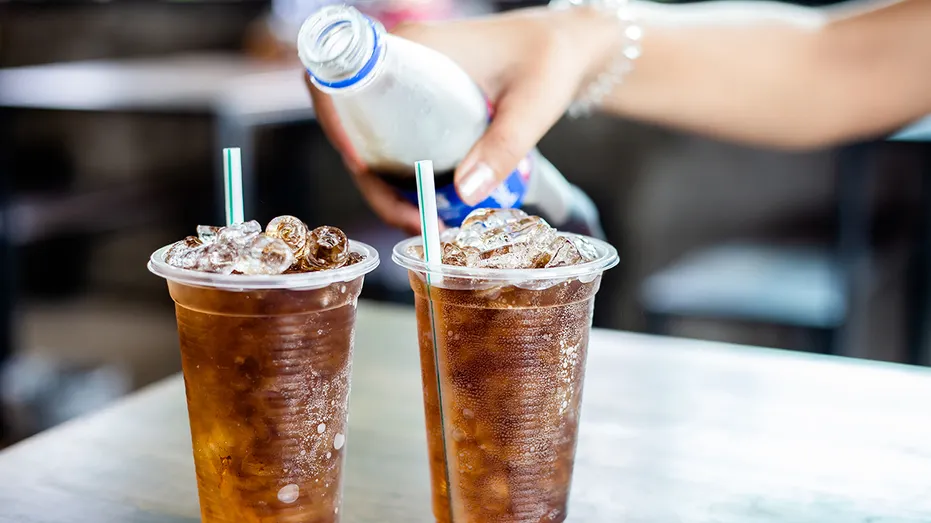
SouthernWorldwide.com – The latest beverage trend gaining widespread popularity is far from a healthy choice, and health professionals are voicing serious concerns about its potential health risks.
Dubbed “dirty soda,” this concoction is a soft drink base infused with a variety of added ingredients. These typically include flavored syrups, creamers, fruit juices, and other garnishes, resulting in a beverage that is a hybrid of soda, mocktail, and dessert.
Registered dietitian Erin Palinski-Wade highlights the significant caloric and sugar content of these drinks. A single dirty soda can easily contain between 250 to 400 calories and a staggering 55 to 70 grams of sugar. This amount often exceeds double the daily recommended limit for added sugars set by the American Heart Association.
The health implications are particularly concerning for individuals with pre-existing conditions. Palinski-Wade warns that dirty sodas pose the greatest danger to those managing insulin resistance, prediabetes, or diabetes.
She explains that the rapid absorption of sugar combined with the presence of cream can lead to dramatic spikes and subsequent crashes in blood sugar levels. This rollercoaster effect can trigger increased hunger, fatigue, and place a higher demand on insulin production.
The origins of this trend are often traced back to Utah, where specialty soda shops like Swig are credited with its initial popularity. It’s reported that individuals within the Mormon faith, who often abstain from coffee and alcohol, sought out customizable, non-coffee-based beverage alternatives.
Social media platforms and television programs, such as “The Secret Lives of Mormon Wives,” are also cited as key factors in popularizing dirty sodas across a wider audience.
Swig, a Utah-based soda shop established in 2010, is widely recognized for pioneering the dirty soda concept. The trend reportedly found fertile ground in Utah, a state with a significant population of members of The Church of Jesus Christ of Latter-day Saints. Their cultural practice of abstaining from coffee and alcohol created a demand for creative and satisfying non-alcoholic drink options.
The growing popularity of dirty sodas is evident in their increasing presence on restaurant menus and in grocery stores. Major beverage companies are also entering the market, with Coca-Cola introducing its Coca-Cola Cherry Float, designed to replicate the soda-and-cream experience. PepsiCo offers a Dirty Mountain Dew Cream Soda, further catering to this trend.
Numerous fast-food chains have also incorporated dirty soda options into their offerings. Brands like McDonald’s, Taco Bell, Sonic, and Dunkin’ are now serving these highly customized beverages.
One notable example of the trend’s extremity comes from Crumbl, a bakery known for its cookies, which recently launched a dirty soda. This particular creation reportedly features multiple sweet ingredients layered on top of an already sugar-laden soda base.
Dr. Mark Hyman, a prominent physician, expressed strong disapproval of such extreme concoctions on social media. He pointed out that one of Crumbl’s new dirty sodas contained a staggering 186 grams of sugar, equating it to consuming 19 Krispy Kreme donuts and labeling it a “metabolic disaster” that should be prohibited.
According to Dr. Siegel, the regular consumption of such sugary beverages can have long-term effects on the brain. It can condition the brain to seek repeated releases of dopamine and endorphins, potentially increasing the risk of developing obesity, diabetes, heart disease, dementia, and other chronic illnesses.
Tanya Freirich, a registered dietitian nutritionist, corroborates these concerns. She emphasizes that consistent intake of added sugars significantly elevates the risk of developing obesity, non-alcoholic fatty liver disease, cardiovascular disease, and diabetes.
For those seeking a healthier alternative to satisfy a craving for a fun, non-alcoholic drink, Freirich suggests using plain seltzer water as a base. Even with the same add-ins, this approach would result in a considerably lower sugar content while still offering a sweet taste.
Dr. Kenneth J. Perry, an emergency physician, views dirty sodas as a continuation of a broader trend towards highly sugary beverages. He warns that the short-lived effects of these drinks encourage excessive consumption.
He further elaborates that the combination of low nutritional value, high sugar content, and poor satiety can lead to significant negative health consequences. Each additional highly sugary beverage consumed daily increases the likelihood of developing diabetes, high blood pressure, or heart disease.
Dr. Perry also references the World Health Organization’s recommendation to limit free sugars, including those in sweetened beverages, to less than 10% of total daily energy intake. He stresses that beverages with added sugar are among the most easily modifiable risk factors for a range of downstream health issues.
For individuals who choose to indulge in the dirty soda trend, Palinski-Wade advises caution. She recommends opting for a small size, using a diet soda as the base, and treating it as an occasional indulgence rather than a regular habit.
She likens dirty sodas to other high-sugar treats, suggesting they should be consumed infrequently and in smaller portions, akin to enjoying a piece of cake or a milkshake.