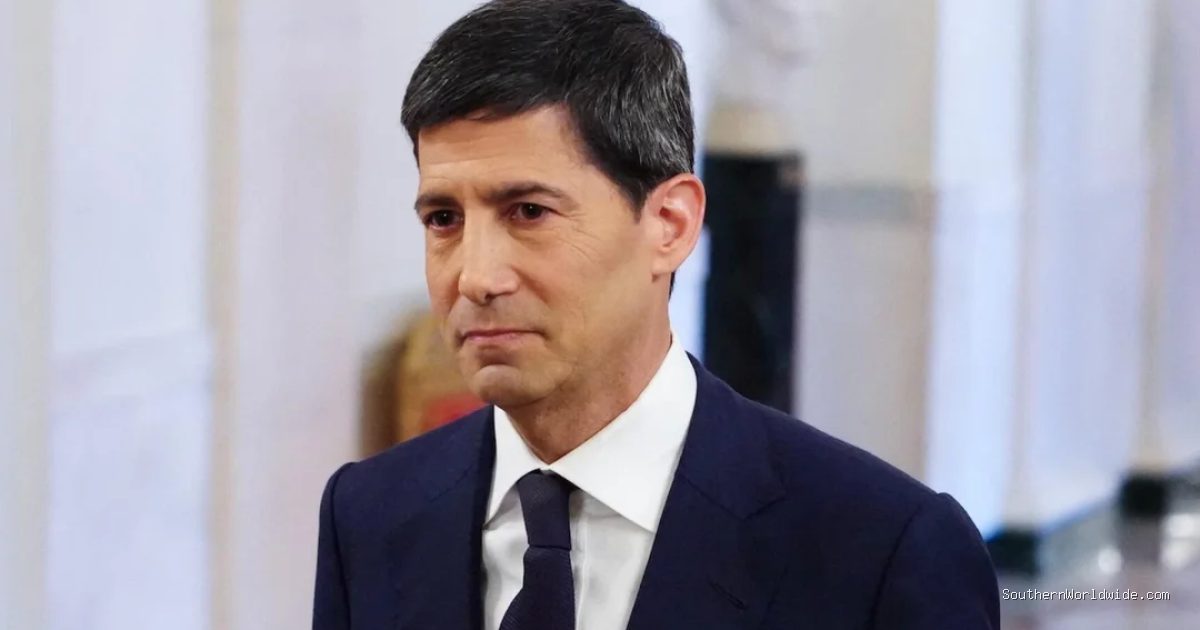
SouthernWorldwide.com – The Federal Reserve’s upcoming interest rate decision is a significant event that could have a ripple effect on your finances. Scheduled for Wednesday, this will be the first rate announcement under the new Federal Reserve Chairman, Kevin Warsh.
The decision comes at a time when inflation continues to show an upward trend, a key factor influencing the Fed’s monetary policy. Kelly O’Grady is here to break down how the outcome of this crucial decision could directly impact you.
When the Federal Reserve adjusts interest rates, it doesn’t just affect Wall Street; it influences the cost of borrowing and the returns on savings for everyday people. Understanding these mechanisms can help you navigate the economic landscape.
A primary tool the Fed uses is the federal funds rate, which is the target rate that commercial banks charge each other for overnight loans. When this rate changes, it influences other interest rates throughout the economy.
For consumers, a key impact is felt in the cost of loans. If the Fed decides to raise interest rates, borrowing money becomes more expensive. This can affect a wide range of financial products.
Mortgage rates, for instance, are closely tied to the Fed’s decisions. An increase in the federal funds rate often leads to higher mortgage rates, making it more costly for individuals to buy homes or refinance existing loans.
Similarly, interest rates on auto loans and personal loans can also rise. This means that buying a car or financing other large purchases could become more expensive for borrowers.
Credit card interest rates are also susceptible to changes in the federal funds rate. Higher rates can lead to increased monthly payments for those carrying a balance, potentially impacting household budgets.
On the other hand, interest rate decisions also affect savings. If the Fed raises rates, banks may offer higher interest rates on savings accounts, certificates of deposit (CDs), and money market accounts.
This can be beneficial for savers, as their money can grow at a faster pace. However, the increase in savings rates often lags behind the increase in borrowing rates.
The Fed’s decision is also influenced by broader economic indicators, such as inflation and employment figures. The current rise in inflation is a significant consideration for policymakers.
Inflation erodes the purchasing power of money. By raising interest rates, the Fed aims to slow down economic activity, which can help curb inflation by reducing demand.
The labor market is another critical factor. A strong job market typically supports economic growth, but if wage growth leads to further inflationary pressures, the Fed may feel compelled to act.
The Fed’s dual mandate includes promoting maximum employment and stable prices. Balancing these objectives is a constant challenge for the central bank.
The decision announced on Wednesday will reflect the Fed’s assessment of the current economic conditions and its outlook for the future. Market participants will be closely watching for any signals about the Fed’s future policy path.
For businesses, interest rate changes can impact investment decisions. Higher borrowing costs might discourage companies from expanding or undertaking new projects.
Conversely, lower interest rates can stimulate business investment by making it cheaper to borrow money for capital expenditures.
The stock market can also react to interest rate decisions. Higher rates can sometimes make stocks less attractive compared to bonds, potentially leading to market volatility.
The Fed’s communication following the rate decision is as important as the decision itself. Statements from the chairman and other Fed officials provide insights into their economic thinking and future intentions.
These communications can shape market expectations and influence consumer and business confidence. Understanding the nuances of these statements is crucial for interpreting the Fed’s actions.
In summary, the Federal Reserve’s next interest rate decision is a complex event with far-reaching consequences. It impacts borrowing costs, savings returns, business investment, and overall economic stability.
As inflation continues to be a concern, the Fed’s move on Wednesday will be closely scrutinized for its potential to influence the economic trajectory and, ultimately, your personal financial situation.