SouthernWorldwide.com – Meta, the parent company of Facebook, Instagram, and WhatsApp, is launching a new initiative called America’s Workforce Academy. This program aims to address the growing need for skilled labor in the construction and maintenance of AI data centers.
The company plans to invest $115 million in the first year of the program. The goal is to train individuals for skilled trade jobs that are directly linked to the physical infrastructure required for artificial intelligence technologies.
A key selling point of the America’s Workforce Academy is that it requires no prior experience from participants. Meta states that qualified individuals will have their tuition, airfare, and lodging expenses covered during the training period. Additionally, participants will receive a daily stipend.
The program also extends a promise of a job offer to its graduates. This could be a significant incentive for individuals seeking a career change or a stable job in a growing industry.
However, the expansion of AI data centers by major tech companies like Meta raises broader questions for communities. Concerns are mounting regarding the impact these massive facilities will have on local resources such as electricity bills, water supply, and the overall quality of life.
The AI revolution, while promising advancements, is also creating a resurgence in demand for skilled trades. These are jobs that involve hands-on work and are essential for building and maintaining the physical infrastructure that supports digital technologies.
Meta’s America’s Workforce Academy is designed to directly meet this demand. The pilot locations for this program in 2026 are set to be in Louisiana, Ohio, Indiana, and Texas. Meta has indicated that the program is open to a wide range of applicants, including veterans, recent graduates, individuals looking to change careers, and others interested in entering the trades from across the nation.
The training curriculum will focus on the specific skills needed for AI infrastructure development. This includes roles such as fiber technicians, electricians, welders, plumbers, mechanics, and various other construction-related positions. Meta is collaborating with several organizations, including the National Urban League, Associated Builders and Contractors, and CBRE, along with various community partners.
The stated objective of this initiative is to provide a more accessible and quicker route into trade careers. This is particularly appealing as it aims to eliminate the financial burden of tuition fees and the accumulation of college debt.
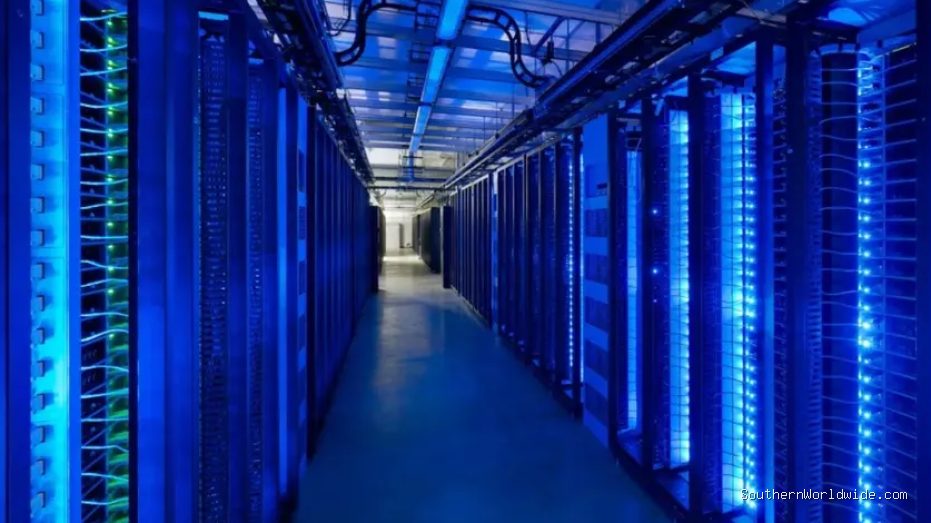
While AI might seem like a digital concept, its underlying infrastructure is decidedly physical. Data centers are complex facilities that necessitate construction crews, robust electrical systems, advanced cooling equipment, reliable backup power, stringent security measures, and high-speed network connections. These components do not materialize without significant human effort and expertise.
Meta’s previous “Level-Up” fiber training program saw an overwhelming response, with 35,000 applications submitted in just the first seven days. This high level of interest indicated to Meta that there is a strong desire among people to enter these fields, and that the rapid expansion of AI infrastructure requires a swift increase in the number of trained workers.
This program also represents a strategic move for Meta. The company has a direct need for a skilled workforce to construct and maintain its growing infrastructure. Simultaneously, it allows Meta to present a more positive employment narrative, especially as data centers are increasingly facing scrutiny from local communities.
Many existing job training programs require individuals to make a significant commitment, often involving upfront payment for training and the uncertainty of employment afterward. Meta’s program adopts a different model by offering paid training and a guaranteed job offer upon successful completion.
This approach is particularly beneficial for individuals who cannot afford to pause their income or take on debt. A concise training program with a clear employment outcome can be a game-changer for veterans, younger workers, and career changers looking to secure a stable position in a skilled trade.
Nevertheless, anyone considering applying should meticulously review the program details once applications open. It is crucial to understand the job location, the hiring employer, the expected salary, and any requirements related to travel or relocation.
Data centers are increasingly becoming a focal point of discussion within communities. Residents often express concerns about the substantial energy consumption of these facilities. Additionally, worries arise regarding water usage, noise pollution, traffic congestion, and the potential for local taxpayers to subsidize projects that primarily benefit large technology corporations.
These apprehensions are amplified as the demand for AI capabilities continues to surge. Data centers require immense amounts of power to operate their servers and cooling systems. In some regions, this could strain the existing power grid or lead to increased utility costs for residents.
Water usage can also become a contentious issue. Certain data center cooling systems rely on water, which can be a concern in areas already experiencing heatwaves, drought conditions, or rapid population growth.
Proponents of data centers highlight the creation of construction jobs, the generation of tax revenue, and the influx of new investment into local economies. Conversely, critics are seeking more concrete assurances and transparency before local authorities approve large-scale projects.
Both perspectives hold valid points. The creation of jobs is undeniably important, but so are the costs associated with electricity, the availability of local resources, and transparent decision-making processes.
Meta’s announcement comes at a time when the company and other tech giants are investing heavily in AI. Concurrently, many workers are expressing anxiety about the potential impact of AI on their own careers. The tech industry has already witnessed numerous layoffs as companies reallocate resources towards automation and AI development.
This situation presents a dual narrative: on one hand, Meta is offering a tangible path into skilled trades. On the other hand, the same AI boom that is generating these construction jobs is also fueling fears of job displacement in other sectors.
The overarching lesson is that AI’s impact on the workforce will not be uniform. Some jobs may diminish, while others will likely expand due to the necessity of a physical infrastructure to support AI. For many individuals, their next career in technology might involve a hard hat rather than a laptop.
A program bearing Meta’s name, offering paid training and job guarantees, is bound to attract attention from both genuine job seekers and potential scammers. It is therefore essential to proceed with caution and verify every step before sharing any personal information.
It is crucial to only apply through official Meta channels or verified partner links. Be wary of unsolicited text messages, social media direct messages, or emails that urge immediate action. Avoid clicking on links within these messages; instead, navigate directly to Meta’s official website or the verified partner’s site. Employing strong antivirus software can also help in blocking malicious links, phishing pages, and harmful downloads, thereby protecting your device and personal data.
Be vigilant for any requests for application fees, upfront equipment purchases, or the disclosure of banking details before verifying the legitimacy of the program. Meta has stated that this training is company-funded, so any requests for upfront payments should be considered a significant warning sign.
This is also an opportune moment to reduce the amount of personal information readily available online. Data removal services can assist in minimizing your exposure on people-search websites and data broker lists, which scammers often exploit to craft more convincing messages to job seekers.
It is also advisable to retain copies of all correspondence and documentation related to the program. Keep written records of the offer terms, training location, pay details, and job requirements.
For individuals seeking a new career direction, this program could represent a genuine opportunity. Paid training coupled with a potential job offer can significantly alter the prospects for those who desire skilled employment but cannot afford substantial financial risks to commence their journey.
For communities, the promise of job creation should be accompanied by clear and comprehensive answers. While a data center can attract investment, it can also place a strain on local resources. Residents deserve to understand what potential impacts they may face and what tangible benefits they can expect in return.
This initiative also reshapes the conversation surrounding AI and employment. There is a prevalent narrative about AI replacing human workers. However, behind every AI application lies a vast physical system that still requires human intervention and local communities to maintain its operation. This aspect, often overlooked, is a critical part of the larger story.
Meta’s America’s Workforce Academy has the potential to be a valuable avenue for individuals aspiring to enter skilled trades without incurring the burden of college debt. The rapid growth of AI necessitates a workforce capable of building and sustaining the real-world systems that power this technology. This crucial element is frequently overshadowed when the focus is solely on chatbots and microchips. However, communities still warrant clear communication and transparency. Data centers can influence energy demand, water consumption, and local infrastructure. While a job training program is beneficial, it cannot substitute for open and honest dialogue.
This presents Meta with an opportunity to demonstrate that the AI boom can foster opportunities beyond the traditional tech hubs. The true measure of success will be whether both workers and local communities experience genuine benefits.
The question of whether you would welcome an AI data center in your community, given the provision of paid training and jobs, or if concerns about power and water consumption would lead you to oppose it, is a complex one. Your perspective is valued in this ongoing discussion.