SouthernWorldwide.com – President Donald Trump appears to be shifting his strategy regarding Iran, moving from solely diplomatic efforts to a more assertive stance involving military pressure. This comes after months of anticipating a nuclear deal with Iran that has yet to materialize.
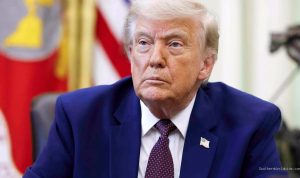
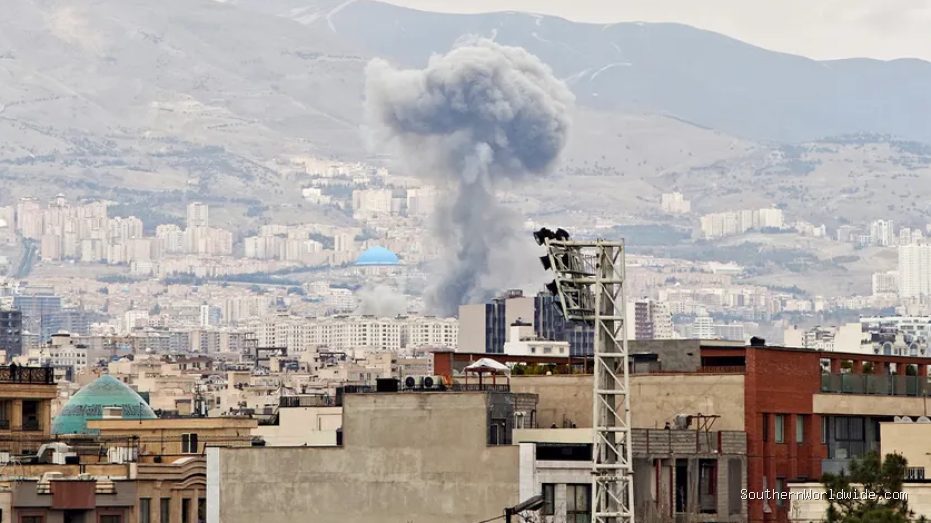
The President’s approach was evident in recent actions. Trump followed through on threats to strike Iran, launching missile and air attacks on Iranian targets. Simultaneously, he issued a warning that further strikes would occur unless Iran agreed to a deal.
However, in a swift reversal, he later announced the cancellation of planned strikes for Thursday evening. Trump stated that negotiations had reached the highest levels of Iranian leadership and that an agreement’s key elements had been approved.
This rapid sequence of threats, attacks, and renewed diplomacy exemplifies Trump’s consistent strategy with Iran. It involves using military pressure to advance negotiations while keeping diplomatic channels open.
The central question remains whether this strategy enhances Washington’s negotiating position or reinforces Iran’s belief that the U.S. is more eager for a deal than for continued confrontation.
Trump indicated that Iranian officials contacted him during the strikes, requesting a halt to the bombing.
“If they don’t sign the deal, we’ll bomb the sh*t out of them tomorrow night,” he stated.
Earlier, Trump suggested that the military campaign could extend to Iran’s energy infrastructure, including Kharg Island, a crucial hub for oil exports.
“At some point in the not too distant future, we will be taking Kharg Island, and other oil infrastructure points, and assume total control of their Oil and Gas Markets, much like we have with Venezuela.”
Yet, his tone later became less certain.
“My preference has always been to take Kharg Island. I don’t know that America has the stomach for it, to be honest,” Trump commented on Fox and Friends.
Despite promising further military action, Trump maintained that negotiations were nearing a successful conclusion.
“We’ll see what happens with the deal. We were really close to a deal,” he said earlier on Wednesday.
These remarks signify a notable escalation from the President, who just days prior predicted an agreement within “two or three days.” He has consistently suggested a breakthrough is imminent, despite ongoing disputes over uranium enrichment, sanctions relief, and Iran’s nuclear stockpile.
“They keep tapping us along,” Trump told reporters on Wednesday. “They keep playing us for suckers because you know what? They dealt with some very stupid presidents.”
Trump’s latest actions suggest the administration is still offering Iran a way out through a negotiated nuclear agreement. The critical question is whether military pressure strengthens Washington’s position or if Iran has concluded it can endure the costs and outlast the campaign.
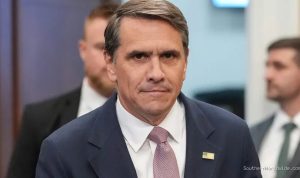
James Robbins, dean of academics at the Institute of World Politics, noted that Iran possesses greater resilience.
“Iran has more resilience,” Robbins stated, emphasizing Iran’s decades of experience navigating global isolation.
“They’re kind of used to sanctions. They’re used to economic dislocations, much more so than Americans.”
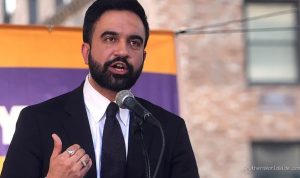
Behnam Taleblu, senior director of the Iran Program at the Foundation for Defense of Democracies, argued that increased pressure does not necessarily make the regime more inclined to compromise.
He also questioned the effectiveness of strikes on infrastructure like bridges and power plants in fundamentally altering Iran’s decision-making.
Taleblu suggested that the regime’s primary concern is threats to its own grip on power.
“Until those making the key national security decisions, those enforcing the key national security decisions, and those enforcing the regime’s longest war, which is on its own people, so long as those three are not targeted, we’ll be back where we started,” he asserted.
Eisenstadt posited that Iran might ultimately believe it can withstand sanctions and military pressure, waiting for domestic political pressures within the U.S. to escalate.
“I think they believe that time is on their side, given domestic criticism of the war and its economic impacts in the United States,” he commented.
Trump’s most recent strike threats followed an incident where an Iranian drone downed a U.S. Apache helicopter near the Strait of Hormuz. This event prompted retaliatory U.S. strikes on Iranian radar and air-defense sites, threatening an already precarious ceasefire.
The administration’s long-standing objective has been to compel Iran to make concessions through sustained military and economic pressure, something months of negotiations alone have failed to achieve.
Trump and his advisors have consistently argued that sanctions, military operations, and the U.S.-led blockade of the Strait of Hormuz have significantly isolated Iran and weakened its economy. This blockade has disrupted approximately 80% of Iran’s oil exports.
Iranian officials publicly dismissed the notion that targeting their infrastructure would force Iran to concede.
Iranian President Masoud Pezeshkian characterized Trump’s threat to strike power plants and transportation infrastructure as a “sign of desperation.”
“Critical infrastructures are the lifeblood of the people,” Pezeshkian stated in a post on X.
Trump has repeatedly refuted the idea that Iran can simply outwait his administration.
“They thought they were going to out-wait me, you know. ‘We’ll out-wait him. He’s got the midterms.’ I don’t care about the midterms,” Trump said during a Cabinet meeting on May 27.
Despite Trump’s frequent assertions that a deal is imminent, negotiators remain divided on several key issues. These include uranium enrichment levels, the extent of sanctions relief, and the fate of Iran’s stockpile of highly enriched uranium.
Iranian officials have acknowledged some progress on potential agreement elements but have also warned that significant obstacles persist.
The success of Trump’s strategy in achieving the agreement he insists is within reach may ultimately depend on whether the latest round of military actions influences Iran’s calculations.