SouthernWorldwide.com – Amidst a fragile ceasefire reportedly holding with Iran, U.S. forces engaged and disabled two Iranian oil tankers on Friday, citing their attempt to violate the U.S. blockade. Weijia Jiang reports on the escalating tensions.
The situation remains tense as a ceasefire, meant to de-escalate the ongoing conflict with Iran, is officially in place.
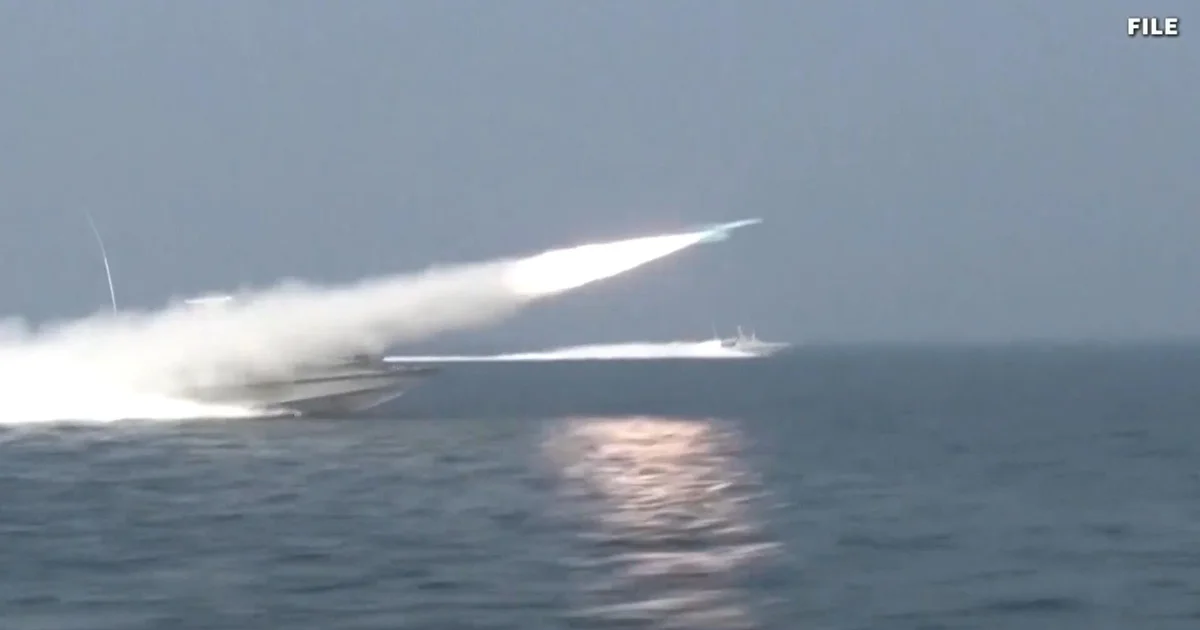
However, U.S. naval forces took action on Friday, targeting two Iranian oil tankers.
These vessels were reportedly attempting to breach the U.S. naval blockade in the region.
In response to this alleged violation, U.S. forces fired upon the tankers, successfully disabling them.
The incident highlights the precarious nature of the current ceasefire and the persistent challenges in managing maritime security.
Details provided by U.S. officials indicate that the tankers were engaged in activities deemed in violation of established international maritime protocols enforced by the U.S.
The specific location and exact circumstances of the engagement are crucial to understanding the full context of the event.
The U.S. military’s assertion is that such actions are necessary to uphold the blockade and prevent further escalation.
This event occurs at a critical juncture, where diplomatic efforts are ongoing to stabilize the region.
The effectiveness and sincerity of the ceasefire are now under scrutiny following this direct military engagement.
Iranian officials have yet to release a comprehensive statement regarding the incident involving their oil tankers.
However, similar past events have typically resulted in strong condemnations from Tehran.
The U.S. has consistently maintained its right to enforce maritime blockades in areas deemed critical for regional security.
This latest action could potentially jeopardize the fragile truce and reignite broader diplomatic or military confrontations.
The international community is closely monitoring the developments, seeking to ensure that the ceasefire is not irrevocably damaged.
Naval operations in the region are complex, involving multiple state and non-state actors with competing interests.
The U.S. has a significant naval presence, tasked with maintaining freedom of navigation and enforcing sanctions.
Iranian maritime activities, particularly those involving oil exports, are often viewed with suspicion by the U.S. and its allies.
The role of oil tankers in regional conflicts has been a recurring theme, often serving as focal points for geopolitical maneuvering.
The U.S. has previously used similar actions to disrupt what it deems illicit maritime trade by sanctioned nations.
The incident underscores the ongoing challenges faced by international powers in maintaining stability in a volatile geopolitical landscape.
Future diplomatic engagements will likely need to address these maritime security concerns directly.
The U.S. military has indicated its commitment to ensuring the safety of its forces and allies in the area.
This commitment, however, comes at the risk of further escalating tensions with Iran.
The coming days will be crucial in determining the impact of this event on the broader Iran ceasefire and regional stability.
Analysts suggest that clear communication and de-escalation efforts will be paramount in preventing further incidents.
The global energy market, already sensitive to geopolitical shifts, will also be observing these developments closely.
Disruptions to oil tanker traffic can have significant ripple effects on global supply and prices.
The U.S. stance is that its actions are defensive and aimed at preventing hostile acts.
However, Iran’s perspective on these events often differs significantly, viewing them as acts of aggression.
The narrative surrounding the incident will be heavily influenced by the information released by both sides.
Understanding the specific nature of the alleged blockade violation is key to evaluating the justification for the U.S. military’s actions.
The international maritime community relies on established legal frameworks to govern naval activities.
The U.S. often cites its interpretation of these laws to support its operational conduct.
The incident serves as a stark reminder of the potential for miscalculation and unintended escalation in high-stakes maritime environments.
Diplomatic channels remain open, but the recent military action presents a significant hurdle for ongoing de-escalation efforts.
The coming hours and days will reveal whether the ceasefire can withstand this latest challenge.
Read more: Woman Shares New Apartment With Mom After Homeless Childhood
The world watches to see if diplomatic solutions can prevail over military confrontation.