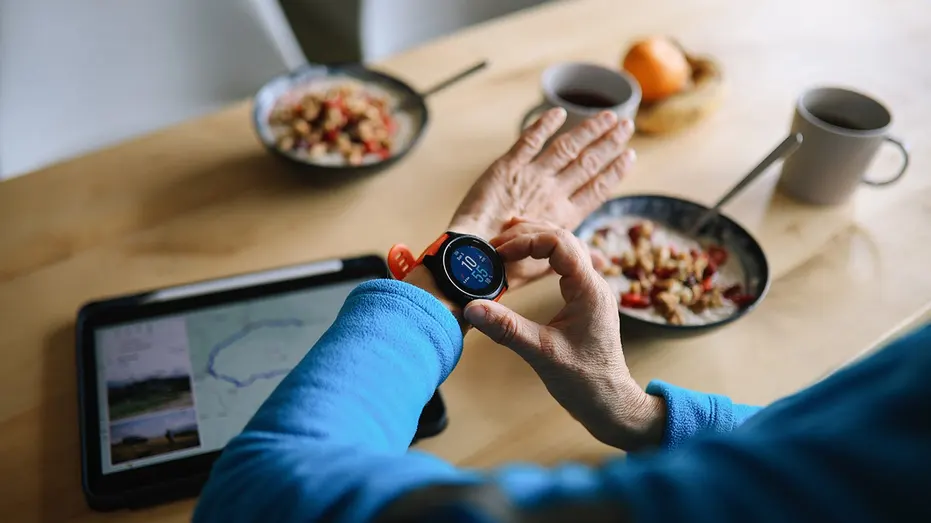
SouthernWorldwide.com – Wearable devices, from smartwatches to rings, have become increasingly popular as tools for monitoring personal wellness. These gadgets can track a variety of metrics, including sleep patterns, daily steps, heart rate, body temperature, and stress levels.
Brian Kilmeade, a host on “Fox & Friends,” recently shared his experience using an Oura ring to monitor his vital signs throughout a demanding workday. He reported his sleep data, noting he had just over four hours of sleep but also achieved 14% REM sleep and over 20% deep sleep, feeling “pretty good” and “pretty fresh.”
Throughout the day, Kilmeade’s wearable tracked his physiological responses to different situations. This included the stress of live television broadcasts and the physical demands of a workout. He observed real-time data, pointing out a slight spike in his stress levels as he prepared for his radio segment.
By the end of his day, which involved travel to West Point and extended periods in a car, the device provided a comprehensive summary of his activity and heart rate stability. This data offered insights into his body’s performance under various conditions.
Dr. Craig Basman, a cardiologist from New Jersey, joined the program to analyze Kilmeade’s data and discuss the clinical significance of wearable technology. Dr. Basman humorously noted that diagnosing Kilmeade with “suboptimal sleep” did not require a cardiology degree, given the reported sleep duration.
However, Dr. Basman emphasized the broader impact of these devices on cardiology. He stated that “these wearable devices are changing the landscape of cardiology.” He also expressed optimism about the future, seeing potential not only in preventative care but also in the screening and detection of actual cardiovascular conditions.
Read more : Artemis Astronauts Share Memorable Moments and Tough Decisions from Moon Missions
The cardiologist advised users to view the data gathered by wearables as a catalyst for making necessary lifestyle changes. He indicated that he would not recommend using detection tools unless the individual is prepared to act on the findings.
Regarding the accuracy of wearable technology, Dr. Basman confirmed that there is “robust data” supporting the precision of many metrics. He specifically mentioned that data related to resting heart rate and heart rate variability are “incredibly accurate” on these devices.
Furthermore, Dr. Basman highlighted that some wearables can effectively detect serious conditions such as atrial fibrillation. This condition affects millions of people and can often go unnoticed during routine physical examinations.
For younger individuals, Dr. Basman suggested that wearables can serve as an excellent primary prevention tool. He noted that the development of plaque in arteries can begin as early as the twenties and thirties.
For the older population, he explained that these devices function more as a screening tool to identify existing cardiac conditions. He stressed the importance of consulting a doctor for medical guidance regarding any concerns about data from wearable health devices.
Khloe Quill, a lifestyle production assistant at Fox News Digital, contributed to this report, covering various topics including food, travel, and health.