SouthernWorldwide.com – As the iconic Route 66 approaches its 100th anniversary, the Route 66 Commission in Tulsa, Oklahoma, is actively planning for the highway’s future, aiming to ensure its relevance for the next century.
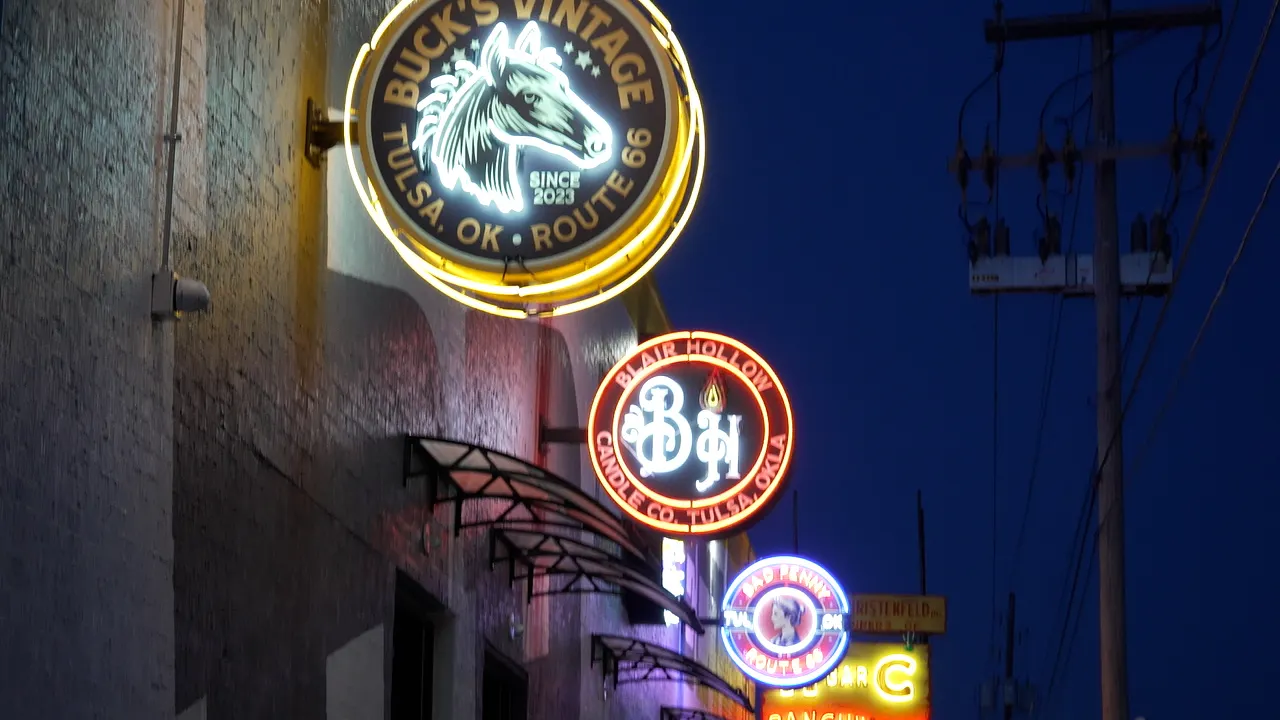
Once the sun sets over Tulsa, the historic 28-mile stretch of Route 66 within the city comes alive with the vibrant glow of neon signs.
Michael Wallis, a respected figure in the Route 66 community and the founder of the Route 66 Alliance, is also famously known as the voice of the Sheriff in Disney-Pixar’s “Cars.” He has dedicated years to traveling, researching, and exploring the legendary highway.
“We view it as a mobile museum,” Wallis shared with FOX from his home in Tulsa, located just a block away from the Cyrus Avery Centennial Plaza. “This is the birthplace of Cyrus Stevens Avery, who is recognized as the Father of Route 66.”
Route 66 is globally recognized as the “Main Street of America,” representing a crucial element of westward expansion and a significant chapter in U.S. history.
“It offers a profound way to delve into the essence of America and truly understand its heart,” commented Ignacio Casares, a traveler from Spain, as he navigated the route with a group of friends in a rented recreational vehicle.
In the latter half of the 20th century, the development of the interstate highway system across the United States led to a decline in the prominence of Route 66. Subsequently, the American Association of State Highway and Transportation Officials made the decision to remove Route 66 from the national highway system.
Wallis expressed his desire to contribute to the revitalization and envision a new era for the Tulsa segment of Route 66.
“I was aware that the road still existed, with over 85% of it still drivable. Therefore, I was hesitant to hear it discussed solely in the past tense,” Wallis stated.
However, numerous businesses situated along Tulsa’s portion of the historic route experienced significant challenges following the highway’s decommissioning.
“When I was born, this was an area of Tulsa that many residents didn’t feel proud of,” recalled Julia Figueroa, the store manager at Buck Atom’s Cosmic Curios.
Read more : Congress: A Prime Target for Spies, Demanding Urgent Training
Figueroa’s establishment is renowned as one of the most distinctive and lively stops along Tulsa’s Route 66, located in the Meadow Gold District. The owner has strategically placed large fiberglass statues to enhance the area’s appeal and draw in visitors.
To further stimulate tourism, the Tulsa Route 66 Commission initiated a matching grant program designed to support local businesses.
“We established a neon sign grant program,” explained Ken Busby, the chairman of the Tulsa Route 66 Commission.
This grant has been instrumental in assisting businesses with either acquiring new neon signs or undertaking the restoration of existing ones for advertising purposes.
“Neon was the very first form of advertising along the road,” Busby emphasized. “And it was how drivers traveling this modest two-lane road across America discovered available lodging, dining establishments, and other services.”
Busby reported that there are currently 84 neon signs illuminating the 28-mile stretch of Route 66 in Tulsa.
“You witness all these neon signs illuminating, and it creates the impression of being in a grand city of neon,” he remarked.
Many local residents have expressed their fondness for the neon signs, while business owners are optimistic about a more prosperous future.
“I make a point to drive there at night just to observe people taking photographs and appreciating the neon displays,” Figueroa shared.
Busby indicated that the next phase of their initiative involves proposing a matching grant program focused on helping businesses restore their building facades.