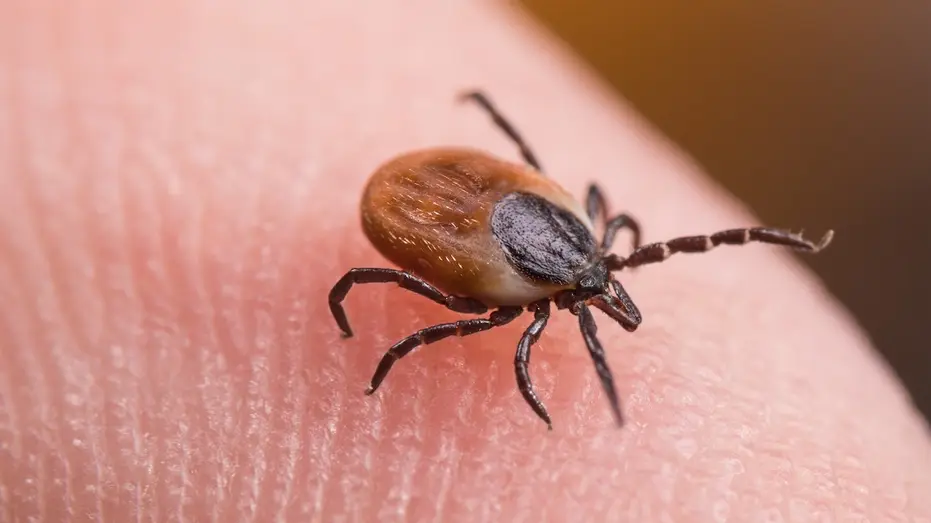
SouthernWorldwide.com – Emergency room visits related to tick bites are currently at their highest seasonal levels since 2017 across most regions in the United States. This trend is raising significant concerns about a potential surge in Lyme disease and other tick-borne illnesses.
This information comes from recent data compiled by the Centers for Disease Control and Prevention’s Tick Bite Tracker. This system diligently monitors weekly emergency department visits nationwide that are associated with tick bites.
During April 2026, approximately 71 out of every 100,000 emergency room visits were linked to tick bites. This figure is considerably higher than the historical seasonal average, which typically hovers around 30 visits per 100,000.
The data also indicates that some of the highest rates of tick-related emergency room visits were observed among very young children, specifically those under 10 years old, and among adults in the 70 to 79 age group.
One particularly striking example of this trend is the Ohio River Valley region. Doctors note that Lyme disease cases in Ohio have seen a dramatic increase, nearly tenfold, over the past decade. This surge is likely attributed to the convergence of tick populations from the Northeastern and Upper Midwestern United States in this corridor.
Furthermore, states such as Virginia and West Virginia, along with areas situated south of the traditionally recognized endemic zones, are reporting a growing abundance of ticks and a corresponding rise in disease cases.
The lone star tick, a species known for transmitting diseases like ehrlichiosis and alpha-gal syndrome, is also expanding its geographical range northward. This movement extends beyond its usual stronghold in the Southeast, meaning these diseases are now appearing in regions where healthcare providers may not yet be accustomed to encountering them.
Climate studies suggest a concerning potential for the blacklegged tick’s suitable habitat to expand significantly, possibly by over 200% by the end of this century. This expansion could include areas in Canada and across the central and southern United States.
Warmer and wetter weather conditions are playing a crucial role in this expansion. These conditions allow ticks to survive in habitats that were previously too cold. Milder winters are also contributing by extending the lifespan of both ticks and the animals they feed on, which in turn accelerates tick reproduction and shortens their life cycles.
Consequently, areas that historically experienced longer, colder winters or substantial snow cover are now becoming more hospitable environments for ticks.
Changes in temperature and precipitation patterns are enabling ticks to spread northward and thrive in new ecosystems. This geographical shift is a significant factor in the increasing prevalence of tick-borne diseases.
Another contributing factor to the rise in tick-borne illnesses is the increase in land development and human encroachment into wooded and grassy areas. The reforestation of formerly agricultural land also plays a role in creating more favorable habitats for ticks and their hosts.
The recovery and expansion of white-tailed deer populations are identified as a major driver behind the increase in blacklegged ticks, as deer are critical hosts for adult ticks. Higher deer density is directly associated with a greater incidence of Lyme disease. Small mammal communities, particularly white-footed mice, which serve as key reservoirs for the bacteria causing Lyme disease, also play a central role in the transmission cycle.
Tick bites are known vectors for numerous diseases, with Lyme disease being the most prevalent. Lyme disease is a bacterial infection that can have serious health consequences if left untreated.
Cases of Lyme disease alone have seen a substantial increase, roughly two to threefold, over the past two decades. Current data from the CDC indicates that approximately 476,000 Americans are diagnosed and treated for Lyme disease annually.
Read more : 3M Faces $1.4 Billion Lawsuit from Australia Over PFAS Chemicals at Defense Bases
Other common tick-borne bacterial infections include anaplasmosis and ehrlichiosis. Additionally, tick bites can transmit babesiosis, a parasitic disease that affects red blood cells and can mimic symptoms of malaria.
A growing concern is alpha-gal syndrome, a condition triggered by a lone star tick bite. This syndrome can lead to a severe allergic reaction to red meat. In rare instances, individuals have tragically died from anaphylactic reactions associated with alpha-gal syndrome following a tick bite.
Ticks are also capable of transmitting viruses, including the Powassan virus. This virus can lead to severe neurological injury and is considered one of the most concerning emerging tick-borne infections.
Powassan virus disease is transmitted by the same blacklegged tick that carries Lyme disease. However, unlike Lyme disease, Powassan virus can be transmitted within minutes of a tick attaching to the skin.
Powassan virus can cause severe encephalitis, with a fatality rate estimated between 10% to 15%. Alarmingly, more than half of the survivors experience lasting neurological deficits, highlighting the severity of this infection.
In the Rocky Mountain states, the Rocky Mountain wood tick is responsible for transmitting Rocky Mountain spotted fever and Colorado tick fever.
In the Southeastern and South-Central United States, the lone star tick is associated with a different set of health concerns. These include ehrlichiosis, tularemia, and two emerging viral threats: the Heartland virus and the Bourbon virus.
Common symptoms of tick-borne illnesses can include fever, chills, fatigue, headaches, muscle aches, and joint pain. These symptoms can be indicative of various infections transmitted by ticks.
Another characteristic sign is the classic “bullseye” rash, medically known as “erythema migrans,” which is often associated with Lyme disease. However, not all tick-borne illnesses present with this rash.
Due to the possibility of false-negative results in early testing, healthcare providers may opt to treat patients based on their symptoms and exposure history rather than waiting for laboratory confirmation. This approach aims to ensure timely intervention.
It is crucial to seek medical attention if you develop symptoms after a known tick bite or after spending time in areas where ticks are prevalent. This is especially important during the spring, summer, and fall months when tick activity is at its peak.
Currently, there are no vaccines available in the U.S. for any tick-borne diseases. Therefore, prevention remains the most effective strategy for protecting against these illnesses.
Experts recommend several key prevention strategies to minimize the risk of tick bites and subsequent infections.
The duration of a tick’s attachment is directly correlated with the risk of disease transmission. For Lyme disease, transmission generally requires at least 36 hours of attachment. In contrast, the Powassan virus can be transmitted much more rapidly.