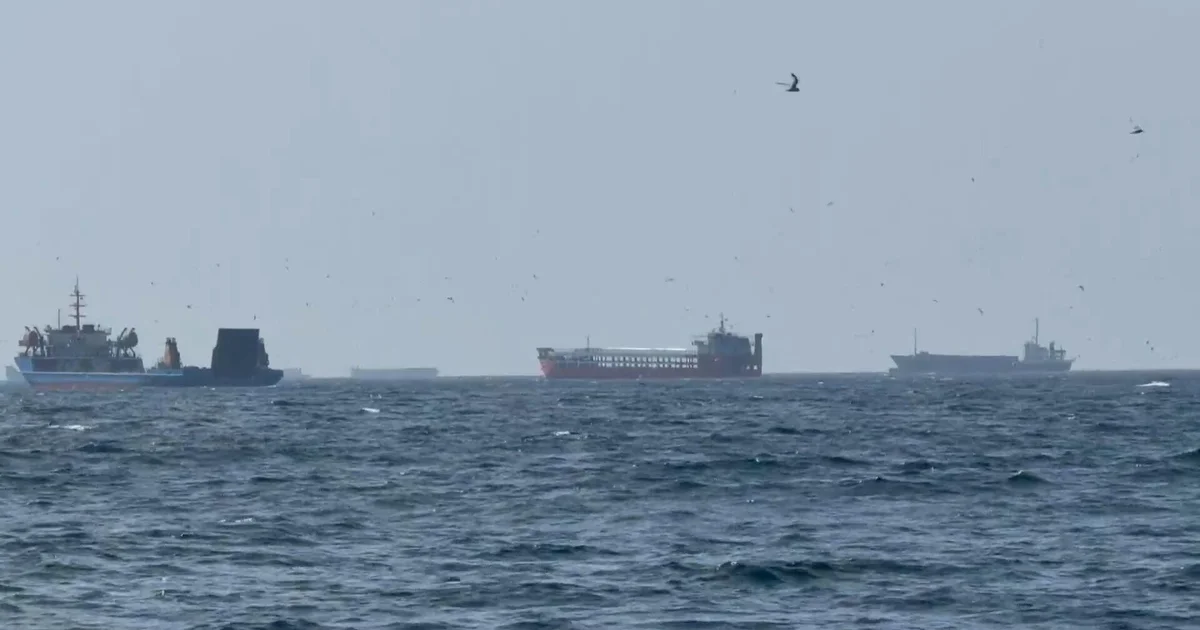
SouthernWorldwide.com – The United States and Iran engaged in a tense exchange of fire, escalating tensions in the vital Strait of Hormuz. This incident occurred as the U.S. initiated a mission aimed at safeguarding ships transiting the critical waterway.
Iranian state media reported that the Iranian navy fired warning shots at American destroyers. This development signals a dangerous escalation amid a fragile ceasefire in the region.
In response, the U.S. military stated that its forces successfully shot down Iranian cruise missiles and drones. The U.S. also reported sinking multiple Iranian small boats during the confrontation.
Holly Williams provided the reporting on this volatile situation, highlighting the precarious balance in the Persian Gulf.
The Strait of Hormuz is a strategically crucial chokepoint for global oil supplies, making any military engagement there a significant concern for international markets.
The U.S. presence in the strait is part of a broader effort to ensure freedom of navigation and deter Iranian aggression against commercial shipping.
President Trump’s administration has taken a firm stance against Iran, citing its destabilizing activities in the region.
This latest incident underscores the volatile nature of U.S.-Iran relations and the potential for miscalculation to lead to wider conflict.
The U.S. mission in the Strait of Hormuz involves naval assets designed to protect against threats from Iran and its proxies.
International observers are closely monitoring the situation, concerned about the impact on regional stability and global energy security.
The exchange of fire raises questions about the effectiveness of diplomatic channels in managing the ongoing tensions between Washington and Tehran.
Both nations have a history of confrontations in the Strait of Hormuz, a waterway that handles approximately one-fifth of the world’s oil supply.
The U.S. has emphasized its commitment to maintaining international maritime security and freedom of passage through strategic waterways.
Iran, on the other hand, views the U.S. military presence as a provocation and has threatened to disrupt shipping if its interests are threatened.
The downing of drones and missiles, along with the sinking of small boats, indicates a significant escalation in the direct military engagement.
The U.S. military’s actions are intended to demonstrate resolve and deter further Iranian provocations.
The situation remains fluid, with the potential for further developments and diplomatic responses.
Analysts suggest that the incident could lead to renewed calls for de-escalation and a return to dialogue between the two countries.
However, the immediate aftermath of the exchange of fire suggests a period of heightened alert and potential repricing of oil commodities.
The U.S. has consistently accused Iran of using its navy and maritime forces to harass and attack commercial vessels.
Iran has denied these allegations, often framing its actions as defensive responses to perceived U.S. threats.
The international community has generally urged restraint from both sides to prevent a wider conflict in the Persian Gulf.
The U.S. naval mission in the Strait of Hormuz is a clear signal of its commitment to protecting its interests and allies in the region.
The effectiveness of this mission in deterring future Iranian actions will be closely watched.
The ongoing tensions also highlight the complex geopolitical dynamics at play in the Middle East.
The strategic importance of the Strait of Hormuz cannot be overstated, as it is essential for the flow of energy resources to global markets.
Any disruption to shipping in this area could have significant economic consequences worldwide.
The U.S. has been working with international partners to enhance maritime security and promote safe passage through the strait.
This latest confrontation serves as a stark reminder of the risks involved in such a strategically vital but volatile region.
The U.S. military’s preparedness and response capabilities are being tested by these ongoing interactions with Iran.
The ability of diplomatic efforts to manage these crises remains a critical factor in preventing further escalation.
The international community’s role in fostering dialogue and promoting stability in the Strait of Hormuz is also crucial.
Read more: American passenger on cruise ship infected with hantavirus shares concerns about safety.
The situation demands careful navigation by all parties involved to avoid unintended consequences.