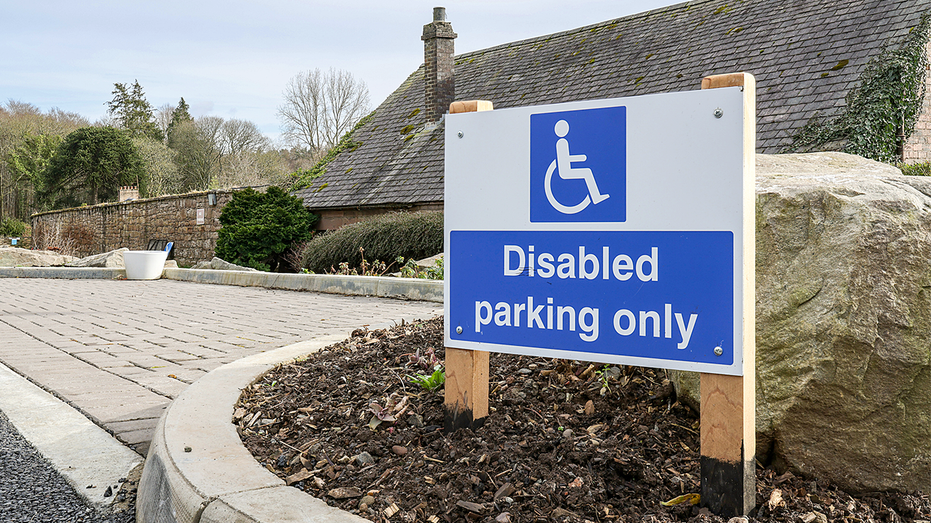
SouthernWorldwide.com – The Massachusetts legislature has approved a bill aimed at removing outdated and offensive language concerning individuals with disabilities from the state’s General Laws.
This legislative action seeks to replace terms such as “handicapped,” “disabled,” and the “r-word” with more respectful and contemporary language. The bill advocates for the use of phrases like “persons with a disability” and “person with an intellectual or developmental disability.”
Introduced by Democratic state Sen. Pat Jehlen with the support of 17 petitioners, the bill now awaits the signature of Democratic Gov. Maura Healey.
The comprehensive 61-page bill revises a significant number of sections, specifically updating 346 provisions within Massachusetts law.
CALIFORNIA SCHOOL BOARD MEMBER ‘PERSONALLY OFFENDED’ WHEN SPEAKER SAYS ‘HOMELESS’ INSTEAD OF ‘UNHOUSED’
“Language is constantly changing. And it’s changing because of the activism of people who were ignored and demeaned for too long,” stated Sen. Pat Jehlen, the Senate’s lead sponsor for the legislation. “When people tell us they feel insulted and offended by the use of outdated words, we worked to change the legal language. It took a long time, because we kept finding more examples of offensive language. Language and activism will continue to evolve, and there’ll always be more work to do, but this is a gigantic step forward in respect.”
Among the key linguistic updates, the bill proposes replacing “disabled person” with “person with a disability.” The term “handicapped” will be substituted with “disability,” and “retarded” will be replaced by phrases such as “person with an intellectual or developmental disability.”
Furthermore, the legislation eliminates terms like “crippled” and “deformed” when they are used in reference to individuals with disabilities.
The term “hearing-impaired” has been revised to “deaf or hard of hearing,” and “chronically ill” is now referred to as “persons who are chronically ill.”
The bill also modifies specific legal definitions. For instance, the current definition of “caretaker,” which describes an individual or entity responsible for a “disabled person,” will be updated to use the phrase “a person with a disability.”
“When dusty and dangerous relics of a bygone era darken our laws, it creates the potential for real harm to residents today,” commented Senate President Karen Spilka, a Democrat. “Thanks to the voices of advocates like former Senate staff member Melissa Reilly and the leadership of Senator Jehlen and Senator Kennedy, the Legislature has acted to make our laws better represent who we are in 21st-century Massachusetts.”
MASSACHUSETTS DROPS CONTROVERSIAL GENDER IDEOLOGY MANDATE FOR LICENSING FOSTER CARE PARENTS
“With a White House that glorifies, and seemingly longs for, the days when many Americans were discriminated against because of who they are, now is the time to make sure our state laws respect and support the rights and dignity of our residents,” she added.
The passage of this bill follows a 2024 law that renamed the Massachusetts Rehabilitation Commission to MassAbility. State officials indicated this change was part of a broader initiative to modernize disability services and foster inclusion, moving away from terms they deemed outdated or offensive.
“As lawmakers, we know that words matter,” said state Speaker of the House Ronald J. Mariano, a Democrat. “This legislation is our latest effort to ensure that our state laws do not use antiquated words that carry negative connotations, words that also serve as a reminder of past injustices.”
The bill received substantial backing from lawmakers, passing with unanimous recorded votes in both the House and the Senate.