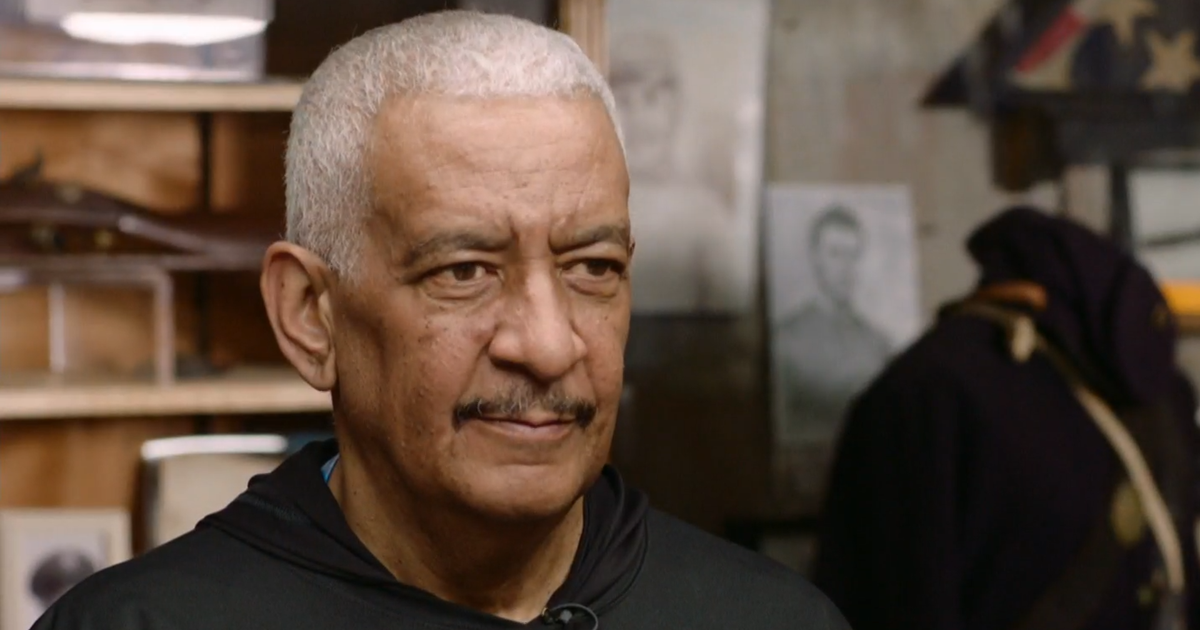
SouthernWorldwide.com – In the heart of Ohio, a small town named Tablertown holds a significant, yet often overlooked, piece of American civil rights history. David Butcher, a resident whose family has been in Tablertown since 1830, is dedicating his life to ensuring this history is not forgotten.
Butcher’s mission is to preserve the legacy of civil rights activism and Black history within his community. He is spearheading an effort to establish the Tablertown People of Color Museum, a place that will serve as a vital repository for the stories and artifacts of those who fought for equality.
His personal connection to Tablertown’s past fuels his determination. Having grown up surrounded by the history of his ancestors who settled there, Butcher feels a profound responsibility to honor their contributions. He believes that understanding this history is crucial for present and future generations.
Butcher spoke about his goals with “CBS Saturday Morning,” highlighting the importance of local history in understanding the broader narrative of civil rights in America. He emphasized that the struggles and triumphs that occurred in small towns like Tablertown are just as important as those in larger cities.
The museum aims to showcase the resilience and activism of Tablertown’s Black community. It will feature exhibits detailing the town’s role in the Underground Railroad, the local civil rights movement, and the everyday lives of its Black residents throughout history.
Butcher envisions the museum not just as a place of remembrance, but also as an educational center. He hopes it will inspire dialogue, foster understanding, and encourage a deeper appreciation for civil rights history. The museum will also serve as a community hub, bringing people together to learn and connect.
The determination of individuals like David Butcher is essential for preserving the rich tapestry of American history. His efforts in Tablertown are a testament to the power of local history and the importance of keeping these vital stories alive.
Butcher’s family history in Tablertown dates back to 1830, a time when the nation was grappling with the deep divisions of slavery and the burgeoning movements for freedom and equality. His ancestors were among the early settlers who established a community in this part of Ohio, contributing to its development and shaping its unique character.
Growing up, Butcher heard stories passed down through generations, tales of resilience, courage, and a quiet but persistent fight for dignity and rights. These stories were not confined to dusty books; they were woven into the fabric of the community, shared in homes and at local gatherings.
He recognized that while national narratives of the civil rights movement often focus on well-known figures and major events, the crucial groundwork and everyday activism in smaller communities were equally vital. Tablertown, like many other towns across America, had its own heroes and its own battles for justice.
The Tablertown People of Color Museum is envisioned as a space where these local narratives can be properly told and preserved. Butcher has been diligently collecting documents, photographs, oral histories, and artifacts that shed light on the town’s civil rights past.
The museum’s collection will include personal accounts of discrimination, the efforts to desegregate local institutions, and the community’s support for national civil rights initiatives. Butcher is particularly interested in highlighting the role of women in the movement, as their contributions have often been understated.
Beyond the civil rights era, the museum will also delve into the broader history of people of color in Tablertown, from the town’s founding to the present day. This includes celebrating cultural achievements, economic contributions, and the enduring spirit of community.
Butcher’s work is not just about preserving the past; it’s about building a stronger future for Tablertown. He believes that by understanding their shared history, residents can foster a greater sense of unity and civic pride.
The museum project has gained traction within the community, with many residents eager to contribute and share their own family histories. Butcher is working with local historians, community leaders, and volunteers to bring the museum to fruition.
He hopes the museum will become a destination for researchers, students, and anyone interested in learning more about the civil rights movement and the African American experience in Ohio. The goal is to create an immersive and informative experience that resonates with visitors.
The determination of David Butcher serves as an inspiration, reminding us that history is not just made in grand gestures but also in the persistent, dedicated efforts of individuals who care deeply about their communities and the stories they hold.
The museum’s planned location is a historic building in the heart of Tablertown, a structure that itself has witnessed much of the town’s history. Butcher is working to secure funding for renovations and to ensure the space is suitable for housing and displaying the growing collection.
He often reflects on the legacy of his ancestors, imagining their hopes and dreams when they first arrived in Tablertown. Their journey, marked by resilience in the face of adversity, is a cornerstone of the history he aims to preserve.
The Tablertown People of Color Museum will not only be a testament to the past but also a beacon for the future, fostering a deeper understanding of civil rights and inspiring continued efforts towards equality and justice.
David Butcher’s vision is a powerful reminder that every town, no matter how small, has a story to tell, and that dedicated individuals are crucial in bringing those stories to light.
The museum’s development is an ongoing process, and Butcher remains committed to its success, driven by a deep love for his hometown and a profound respect for its history.
Read more: Pentagon's UFO File Release Details
His work ensures that the contributions of Tablertown’s civil rights pioneers will not fade into obscurity, but will instead be celebrated and learned from for generations to come.