SouthernWorldwide.com – The escalating presence of drones in American airspace presents a significant and urgent security challenge that demands immediate attention and a comprehensive defense plan.
Currently, the United States has approximately 220,000 commercial aircraft. Projections from the FAA indicate that by 2027, this number will be dwarfed by over 2.7 million drones.
A stark illustration of this emerging threat occurred last summer. As firefighting aircraft worked to combat a fierce wildfire in Utah’s Provo Canyon, their operations were disrupted by private drones. These drones, seemingly attempting to capture dramatic footage of the blaze, forced critical support missions to stand down, allowing the flames to advance unchecked. This incident was not an isolated event, with hundreds of drone sightings reported over wildfires in 2025 alone.
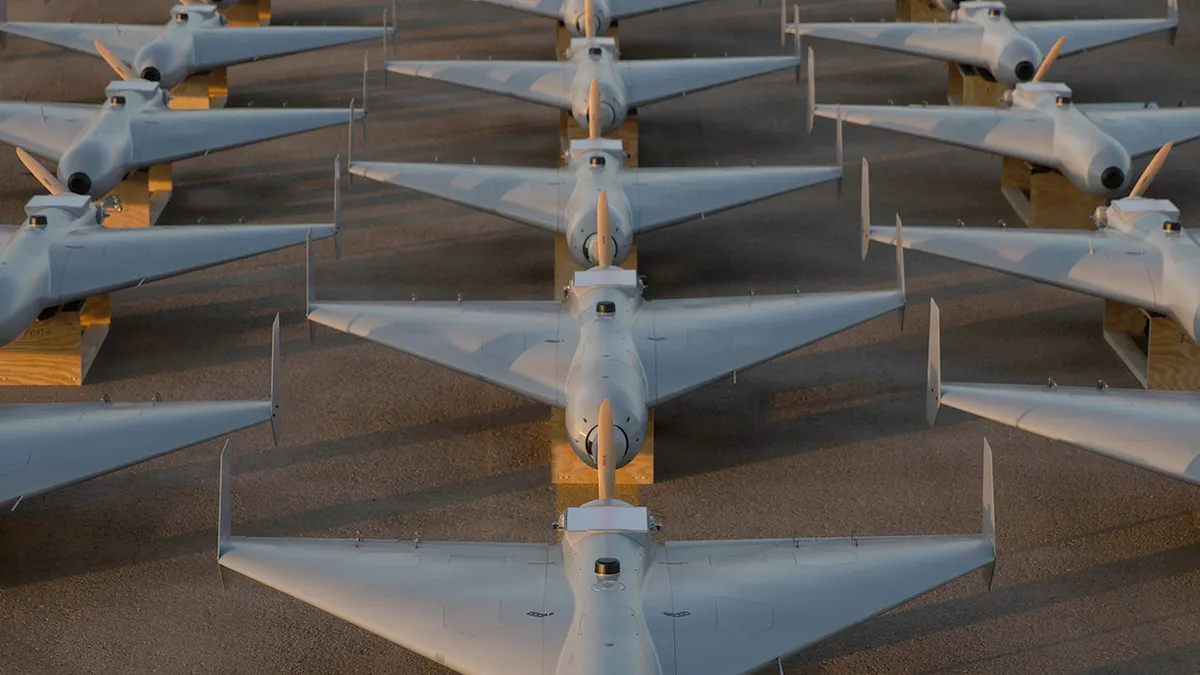
These civilian disruptions are merely a precursor to more serious concerns. Drone warfare and widespread drone proliferation have now reached American soil. Inexpensive, loosely regulated drones possess the capability to disrupt military bases, conduct surveillance on the homes of high-ranking officials and ordinary citizens alike, threaten aircraft, and even pose a direct risk to the President of the United States. These are not hypothetical scenarios; they represent a present and urgent reality that must be addressed.
Just as recently as March 2026, multiple waves of drones were detected operating over Barksdale Air Force Base, a critical facility housing the B-52 bomber and other vital nuclear assets. These drones were equipped with jamming-resistant technology and long-range control links. Similar incursions have been reported at other sensitive military installations.
Transportation Secretary Sean Duffy and the FAA deserve commendation for taking a crucial step forward recently. They have introduced a proposed new rule aimed at protecting critical infrastructure sites, including energy facilities and water treatment plants.
Despite this promising development, Congress appears to lack a sense of urgency in addressing this escalating problem. Democrats have notably kept the Department of Homeland Security defunded for extended periods, a strategy they seem intent on repeating.
A unified national response is imperative. This response must encompass clearer regulations, increased funding, and robust civil-military integration. When it comes to drones, the government’s pace of operation is a luxury we cannot afford.
Baca juga di sini: Pulisic, Donovan Lead USA's All-Time World Cup XI Without Dempsey or Howard
The question of responsibility for coordinating this defense remains unclear. Is it the federal government, the states, or a combination of both? Who will be responsible for establishing the rules and protocols?
If a drone is perceived as a threat, whom should one contact? 911? The Highway Patrol? The FAA? Is there a designated agency in charge? Is there a hotline to call? Or is it the responsibility of the county sheriff? The rules need to be unambiguous, coordinated, and widely understood. For many, the instinct might be to use a shotgun, but this is likely neither safe nor legal.
Clear airspace rules are essential. We need to define who is in charge of the airspace at various altitudes.
Furthermore, strong enforcement mechanisms are crucial. While responsible operators will adhere to the rules, what recourse do we have against malicious actors? Who is safeguarding against foreign adversaries who are heavily invested in this inexpensive technology? What is our strategic approach? Are we investing in the appropriate technologies? What actions will be taken if critical infrastructure, such as a nuclear power plant or a dam, is targeted by a drone swarm?
Our airspace is poised to become significantly more congested than ever before. This will include legitimate drone shipments, air taxis, and emergency responders utilizing drones for immediate responses to vehicle accidents, wildfires, and other dangerous situations.
There appears to be a notable lack of sufficient coordination between civil and military authorities on this issue, hindering our ability to keep pace with the rapid advancements in drone technology. The number of registered drones in the country now exceeds the number of aircraft. How can we effectively defend ourselves when drones outnumber planes?
This upcoming Fourth of July, air shows across the nation will feature hundreds, if not thousands, of drones creating spectacular formations in our skies. However, there is a concern that not everyone will utilize this technology solely for entertainment purposes.
We must not wait for an incident with casualties before addressing this critical security threat. This issue requires clear definition and decisive leadership, not only from the administration but also from Congress. The imperative to act is long overdue.