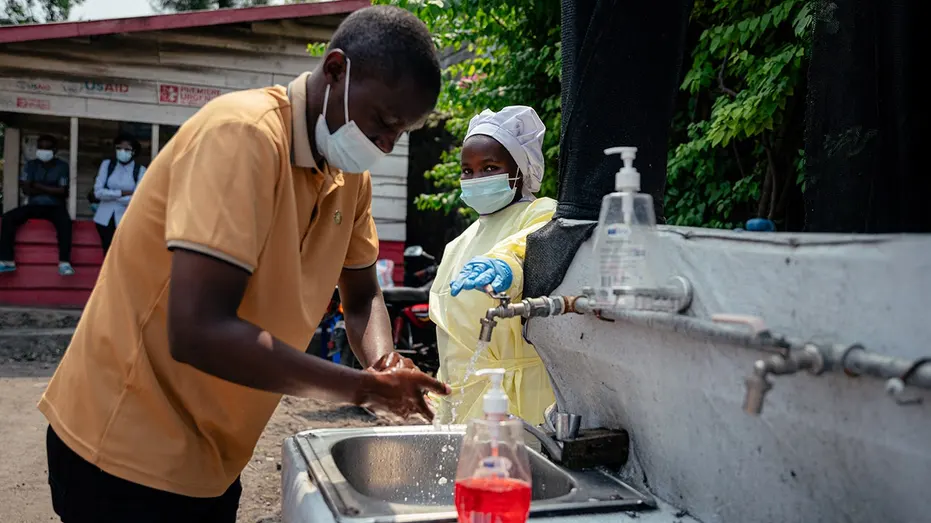
SouthernWorldwide.com – The World Health Organization (WHO) has declared a public health emergency of international concern due to a worsening Ebola outbreak in Central Africa. This declaration has heightened fears that the deadly virus could spread beyond the affected region, potentially reaching countries like the United States.
The current outbreak has been associated with numerous suspected fatalities in both the Democratic Republic of Congo (DRC) and neighboring Uganda. Ebola is a viral disease of zoonotic origin, meaning it can be transmitted from animals to humans. While rare, it is a life-threatening illness, as noted by the Cleveland Clinic.
Outbreaks of Ebola typically emerge in African territories, often originating in animal populations such as antelope, fruit bats, and non-human primates. The specific strain identified in the DRC outbreak is the Bundibugyo virus, one of four known Ebola strains, also referred to as orthoebolaviruses.
Although the current situation does not technically meet the criteria for a pandemic emergency, U.S. officials have issued advisories urging Americans to avoid travel to the affected areas. The State Department escalated its travel advisory for the region to Level 4, the highest level, on Sunday.
A concerning development was the confirmation of an American testing positive for Ebola on May 17. This individual was working in Congo and is being transferred to Germany for treatment. Other Americans identified as high-risk contacts are also being transported for care, according to the Centers for Disease Control and Prevention (CDC).
As of May 18, the outbreak in the DRC had recorded 11 confirmed cases and 336 suspected cases, resulting in 88 deaths. The CDC has cautioned that the situation is dynamic, and case numbers are subject to change.
While no cases of Ebola have been detected within the U.S. to date, the possibility of the virus entering American territory remains a concern for public health. The incubation period for Ebola can range from two to 21 days. During this time, an infected individual may not exhibit any symptoms, and the infection may not be detectable through testing.
This asymptomatic period raises the possibility of Ebola crossing international borders undetected, potentially bypassing screening measures. While some travel restrictions have been implemented from the affected areas to mitigate this risk, the virus had been spreading silently for months. This means it’s possible an infected traveler could have entered the U.S. within the 21-day incubation period before these restrictions were in place.
Experts note that while the outbreak is expanding rapidly, the overall number of global cases was still below 500 just a week prior. Therefore, the immediate chance of an infected traveler arriving in the U.S. is considered relatively low at this time.
Dr. Robert H. Hopkins Jr., medical director of the National Foundation for Infectious Diseases, concurs that the threat to American communities remains minimal. Ebola transmission occurs through direct contact with infected blood, bodily fluids, or the remains of infected people or animals. This includes fluids like saliva and sweat.
It is highly unlikely that Ebola spreads through airborne transmission, according to the Cleveland Clinic. Initial symptoms often resemble those of the flu, including fever, chills, fatigue, headache, muscle pain, vomiting, diarrhea, and loss of appetite. Other signs can include skin rashes, spots of blood under the skin, hiccups, bruising, and red, bloodshot eyes.
As a viral hemorrhagic fever, Ebola damages blood vessels, potentially leading to more severe symptoms. These can include significant bleeding or hemorrhaging, neurological disorders, and severe vomiting.
For individuals who have traveled to an Ebola outbreak area, healthcare professionals recommend monitoring for symptoms for three weeks after their departure. Prompt medical attention should be sought if any symptoms develop during this period.
Fortunately, treatments are available for Ebola, and a vaccine exists that can help protect high-risk individuals and curb further spread. Prevention strategies are also crucial.
Avoiding direct contact with blood, bodily fluids, and sick or deceased individuals and animals is highly effective in preventing Ebola transmission. If contact with potentially infectious materials or individuals is unavoidable, the use of high-quality personal protective equipment is strongly advised.