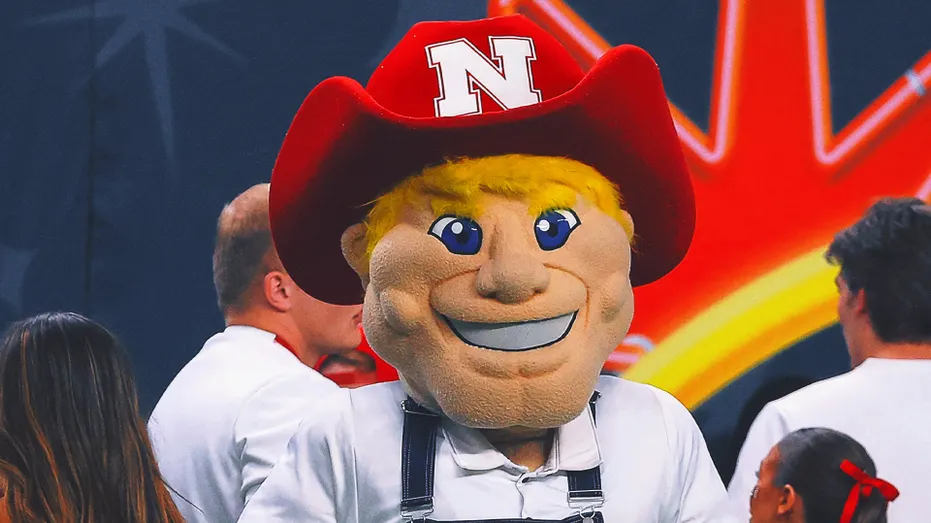
SouthernWorldwide.com – An arbitrator has ruled in favor of the College Sports Commission (CSC) in a significant case involving Nebraska football players. This ruling is seen as a crucial test for the newly established entity responsible for approving third-party Name, Image, and Likeness (NIL) deals in college sports.
The CSC announced that the arbitrator upheld the commission’s decision to reject specific third-party NIL agreements. These agreements were between Playfly, Nebraska’s multimedia rights (MMR) partner, and the players themselves.
The core of the dispute centered on whether Nebraska’s MMR partner, Playfly, should be classified as an “associated entity.” Deals involving such entities are subject to closer scrutiny by the CSC.
With this classification settled, the arbitrator ultimately rejected the deals based on two key reasons cited by the CSC.
Firstly, the deals were found to lack a “valid business purpose.” This was because they did not involve the offering of goods or services to the general public for profit, a requirement for legitimacy.
Secondly, Playfly was found to have violated a rule against “warehousing” NIL rights. This means they were accused of paying for the rights to use them at a later, unspecified time, rather than employing them immediately.
Bryan Seeley, the CEO of the CSC, commented on the decision at the Atlantic Coast Conference meetings in Florida. He did not necessarily view the ruling as setting a strict precedent for future cases.
However, Seeley acknowledged the ruling’s significant influence. He stated that it impacts how people perceive enforcement and compliance with NIL regulations. He expressed satisfaction with the outcome, calling it “a good day.”
The CSC indicated that the full decision from the arbitrator would be made public at a later date. This transparency is expected to provide further clarity on the reasoning behind the ruling.
Read more : Marco Rubio Seen in Nike Tracksuit on Air Force One During China Trip, Sparks Online Memes
There is considerable interest among observers regarding potential legal challenges to this decision. Some are curious if the university or the state of Nebraska will pursue litigation. The CSC had aimed to preempt such actions by requiring schools to sign a “participation agreement” that prohibits suing the commission.
Many universities have expressed reluctance to sign this agreement. Their hesitation stems from concerns that state laws may prevent them from waiving their right to take legal action.
Sports attorney Paia LaPalombara shared her perspective with The Associated Press last week, discussing the Nebraska case. She believes the true test of the CSC’s legitimacy will be whether a state’s attorney general challenges the commission in court and the subsequent outcome of such a challenge.
In response to the decision, Nebraska Athletic Director Troy Dannen acknowledged the ruling. He stated that the university would continue to operate within the CSC’s established process. He also mentioned that they would remain vigilant in monitoring the evolving landscape of collegiate sports.
Dannen emphasized the university’s commitment to its student-athletes. He affirmed their support for all student-athletes in maximizing the value of their Name, Image, and Likeness during their time at the University of Nebraska.
Despite the complexity of the situation, Seeley believes there are still avenues for Nebraska players to receive NIL compensation within the established rules. He expressed confidence that litigation is not a necessary step for student-athletes to benefit financially from their NIL rights.
However, Seeley acknowledged that he cannot control actions taken outside the CSC’s direct purview. The commission’s focus remains on ensuring compliance with its own established guidelines.
In a separate, ongoing federal court case, attorneys are making arguments that MMR partners should not be considered “associated entities.” This case is related to the approval of NIL payments through the House settlement. A hearing for this case is scheduled for May 27.
Reporting by The Associated Press.