SouthernWorldwide.com – A railroad CEO and an agricultural industry leader, while seemingly disparate, find common ground when the intricate relationship between America’s farm economy and freight rail is understood. This shared understanding fuels their mutual concern over congressional proposals that could negatively impact both sectors.
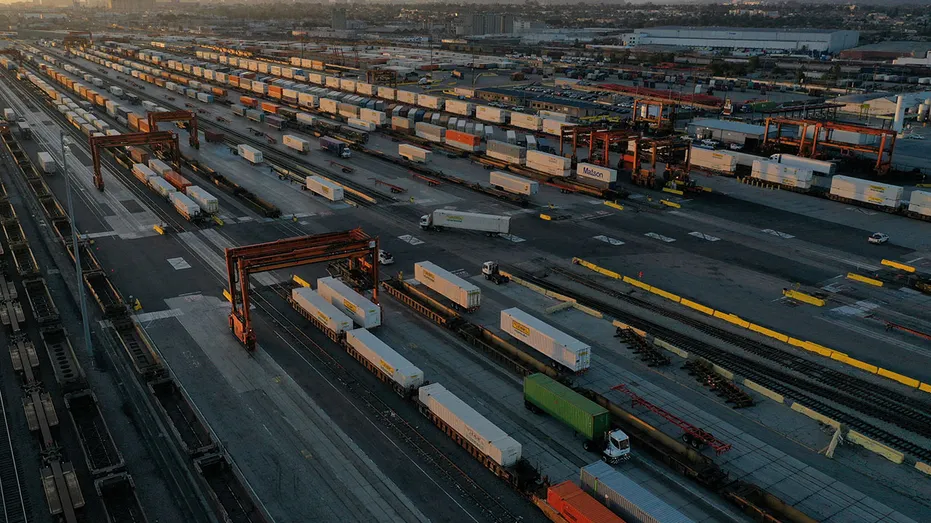
Annually, railroads are instrumental in transporting millions of tons of vital agricultural commodities across the nation. These include grains, feed, fertilizer, biofuels, and ethanol. Freight rail serves as the essential link in the American agricultural supply chain, connecting corn farms in Iowa to grain elevators in the Pacific Northwest, feedlots in Kansas to export terminals on the Gulf Coast.
The sheer volume, extensive reach, safety, and cost-effectiveness offered by rail transport are currently irreplaceable. Therefore, it is crucial for Congress to exercise caution and avoid implementing new freight rail mandates that could inflate costs, diminish capacity, and ultimately burden American consumers, especially during a period of economic hardship.
FARM FRESH FOOD INITIATIVE FOR AMERICANS’ TABLES MEANS A ‘RENAISSANCE OF AGRICULTURE’
The agricultural sector is currently facing significant challenges. Net farm income has seen a substantial decline in recent years, while input costs remain high. Furthermore, export markets are experiencing new uncertainties.
In this challenging environment, transportation expenses are not abstract figures; they represent the crucial difference between a profitable harvest and a financial loss. Every additional dollar spent on transporting grain or fertilizer directly impacts a farmer’s profit margin. These increased costs inevitably trickle down to consumers, affecting prices at the grocery store.
Certain legislative proposals currently under consideration in Congress advocate for broad operational mandates on freight rail. These proposals reportedly lack credible evidence to support their claims of improving safety outcomes. Examples include train length limitations, which could compromise network efficiency and throughput, and expanded manual inspection requirements.
The latter could inadvertently hinder the adoption of advanced automated detection technologies that demonstrably enhance rail safety. These are not precisely targeted, evidence-based safety measures. Instead, they appear to be a one-size-fits-all approach of federal mandates cloaked in the language of safety.
It is imperative to emphasize that rail safety is of paramount importance, and farmers and ranchers are unwavering in their demand for safe operations. The railroad industry has made substantial investments, amounting to billions of dollars, in technology, infrastructure, and training over the past two decades, yielding positive results.
Recent data from the Federal Railroad Administration indicates a significant improvement in freight rail safety across nearly every major category in 2025, marking a record-breaking year for the industry. This progress is a testament to sustained private investment, data-driven practices, and a dedicated focus on operational excellence, rather than the imposition of sweeping federal mandates.
The authors wholeheartedly support targeted safety measures. These include the continued expansion of various detection technologies, the strengthening of track maintenance programs, enhanced funding for first responder training, and ensuring communities possess the necessary resources to manage hazardous materials incidents.
These are sensible investments with proven safety benefits. Moreover, given that railroads and their customers have the strongest vested interest in safety, many of these initiatives are already progressing without the need for prescriptive dictates driven by special interests.
However, the authors cannot endorse provisions that restrict the operational flexibility and capacity of the freight network, which is indispensable to American farmers on a daily basis. This is particularly true when such provisions lack a solid evidence base connecting them to improved safety outcomes.
Ironically, the pursuit of enhanced rail safety through these mandates could lead to a deterioration of service, resulting in a more congested, expensive, and less reliable transportation system. When rail service declines, farmers and ranchers are the first and most severely affected.
Congress has a significant opportunity, especially as it deliberates on a five-year surface transportation bill due in September. When approached correctly, rail safety legislation can fortify a network that is vital to rural America, agricultural competitiveness, and the nation’s capacity to feed the world.
Conversely, if handled improperly, it could impose an additional, costly burden on a farm economy already under immense pressure. America’s farmers are relying on Congress to make the right decisions in this critical matter.
Baca juga di sini: High School Football Coach Banned for Season Due to Recruiting Violation
Ian Jefferies is President and CEO of the Association of American Railroads.