SouthernWorldwide.com – Regular engagement with arts and cultural activities, such as frequent museum visits, has been linked to a slower rate of cellular aging, according to a recent study conducted in the United Kingdom.
Researchers from University College London conducted an analysis involving over 3,500 adults. Their findings indicated that individuals who regularly participated in arts and cultural pursuits exhibited markers of slower biological aging across several DNA-based metrics.
The comprehensive study’s results have been officially published in the esteemed journal, Innovation in Aging.
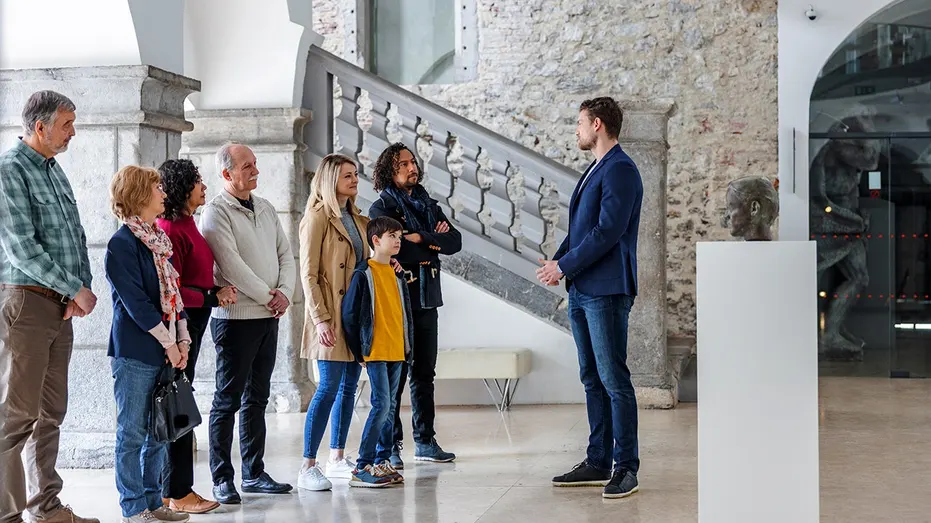
The research specifically looked into a variety of activities. These included creative endeavors like painting and photography, as well as participatory and observational activities such as dancing, singing, visiting museums, and attending cultural events or exploring historic sites.
To assess biological aging, the researchers utilized “epigenetic clocks.” These are sophisticated scientific tools designed to measure chemical alterations occurring within DNA over the passage of time.
The study observed a clear trend: adults who engaged more frequently and in a broader range of these activities generally displayed lower aging scores. This was in comparison to individuals who had minimal involvement in arts or cultural experiences.
Interestingly, this association appeared to be even more pronounced among adults who were over the age of 40.
The researchers also pointed out that the magnitude of this effect was comparable to findings associated with physical activity. Physical activity is one of the most extensively studied behaviors known to contribute to healthy aging.
Jessica Mack, a health and wellness expert and the founder of The Functional Consulting Group, who was not a part of the research team, commented on the findings. She suggested that the results align with an evolving understanding of health. This understanding posits that well-being is influenced by a multitude of factors beyond just exercise and diet.
Mack elaborated that activities like visiting museums or immersing oneself in art and music can play a significant role in stress reduction. They can also enhance emotional regulation and foster stronger social connections.
“These are not merely ‘optional’ lifestyle activities,” Mack stated. “They may be intrinsically linked to how the body effectively manages inflammation, stress hormones, mood, and overall resilience.”
Mack further emphasized that individuals who are currently experiencing significant stress, social isolation, retirement transitions, or caregiving responsibilities might find particular benefit from meaningful engagement with cultural activities.
However, experts involved in the discussion also offered a note of caution. They stressed that the study, while compelling, does not definitively prove that arts engagement directly causes aging to slow down.
The nuanced perspective was shared by one expert who explained the potential for reverse causality. “So when researchers find that the people who go to museums have younger epigenetic age, we cannot tell whether the museum visits slowed their aging, or whether their slower aging is what allowed them to keep visiting museums.”
This expert acknowledged that both explanations could hold some truth. Nevertheless, he characterized the research as “methodologically careful” and deemed it worthy of continued and in-depth investigation.
A significant finding was that the observed association remained consistent. This held true even after the researchers accounted for various other influencing factors. These included established lifestyle variables such as smoking habits, income levels, body weight, and other common health-related behaviors.
The expert concluded by stating that irrespective of whether arts engagement directly contributes to a slower biological aging process, the act of remaining socially and mentally active is undeniably linked to a healthier aging experience overall.
Read more : Pro Wrestler's Journey from Italy to America and the Meaning of the 'Land of Opportunity
The overarching recommendation, therefore, remains consistent. “The prescription is the same,” he advised. “Keep going.”