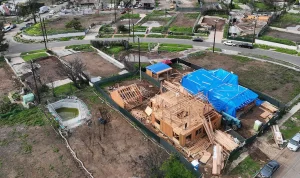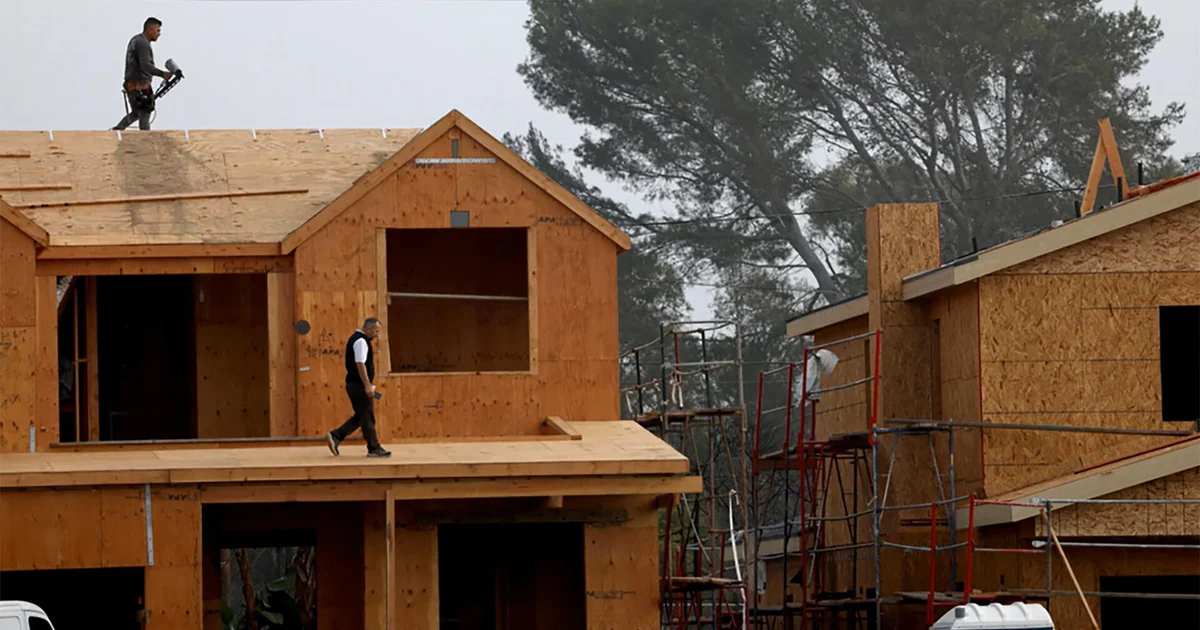
SouthernWorldwide.com – In the aftermath of devastating wildfires that ravaged Los Angeles last year, the city’s rebuilding efforts have been a hurried return to normalcy, with expediency often prioritized over resilience and safety.
Correspondent Jonathan Vigliotti, who has extensively covered Los Angeles’ recovery from such disasters, including in his book “Torched,” emphasizes the critical need for rebuilding processes to incorporate measures that prevent future catastrophes.
The approach taken in Los Angeles, as Vigliotti points out, leans towards rapid restoration, raising concerns about whether the rebuilt structures and infrastructure are truly prepared for the next inevitable challenge.
This focus on speed can inadvertently overlook crucial aspects of disaster preparedness, potentially leaving communities vulnerable once more.
Vigliotti’s insights suggest a broader lesson for post-disaster reconstruction: the importance of not just rebuilding what was lost, but of building back better and stronger.
This means integrating lessons learned from previous events into the very fabric of reconstruction.
It involves a forward-thinking strategy that anticipates and mitigates risks associated with future natural disasters.
The goal should be to create communities that are not only restored but are also more resilient and capable of withstanding future impacts.
This perspective shifts the focus from a reactive recovery to a proactive approach to community safety and sustainability.
The wildfires in Los Angeles serve as a stark reminder of the destructive power of nature and the subsequent challenges faced by affected communities.
The immediate aftermath often involves a scramble to restore essential services and housing, which is a necessary first step.
However, the long-term recovery requires a more strategic vision.
Vigliotti’s work highlights the potential pitfalls of prioritizing speed over comprehensive safety measures.
This can lead to a “race to the status quo” that doesn’t adequately address the underlying vulnerabilities.
Building back stronger involves incorporating advanced building codes, improved land-use planning, and investing in infrastructure designed for resilience.
It also means fostering a community-wide understanding of risk and preparedness.
The reconstruction after a disaster should be an opportunity to innovate and implement solutions that enhance long-term community safety.
This includes considering factors like defensible space around homes, fire-resistant building materials, and robust emergency response systems.
Vigliotti’s commentary underscores the fact that rebuilding is not just about physical structures but also about rebuilding trust and confidence in the safety and security of the community.
The cycle of devastation and rebuilding can be broken by adopting a more holistic and forward-looking approach.
This requires collaboration between government agencies, community leaders, and residents to ensure that rebuilding efforts align with the goal of creating truly resilient communities.
The lessons from Los Angeles’ experience are valuable for other regions facing similar threats from wildfires and other natural disasters.
It is a call to action for a more integrated approach to disaster recovery and mitigation.
The focus should be on creating a sustainable future that minimizes the impact of future events.
This involves a commitment to long-term planning and investment in resilient infrastructure.
The ultimate aim is to ensure that communities can not only recover but also thrive in the face of adversity.
Vigliotti’s perspective emphasizes that true recovery is measured not just by how quickly a place is rebuilt, but by how well it is prepared for what comes next.
This nuanced understanding is crucial for effective disaster management and community resilience.
The rebuilding process should be seen as a chance to enhance the overall safety and sustainability of the community.
It’s about learning from the past to build a more secure future.
Read more: Pat Seftel's Thoughts on Mother's Day
The long-term vision for Los Angeles, and indeed for any community recovering from disaster, must prioritize resilience alongside rapid restoration.