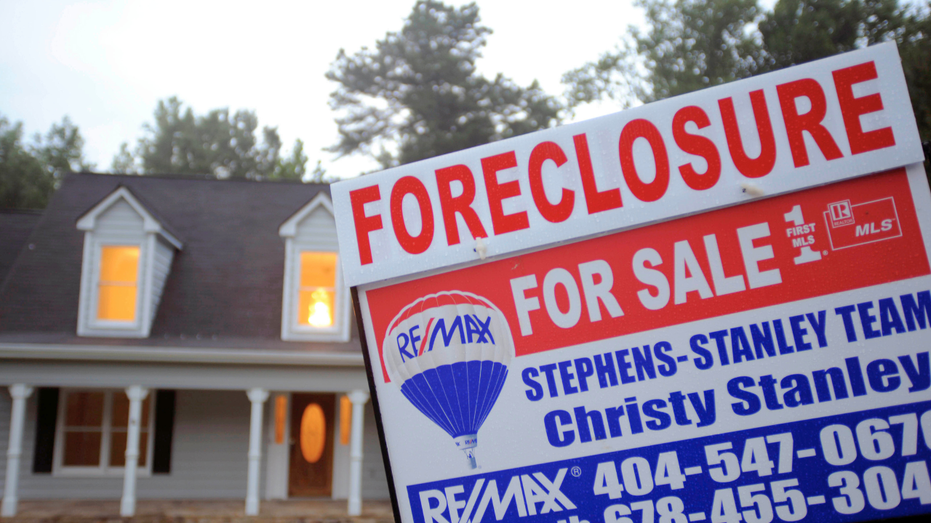
SouthernWorldwide.com – Home foreclosures across the United States have seen a significant increase, rising by 26% compared to the previous year. This surge is largely attributed to the persistent inflation rates and escalating costs that are now impacting homeowners.
Indiana has emerged as the state most affected by this trend. Property data firm ATTOM reported that Indiana logged one foreclosure filing for every 739 housing units during the first quarter of 2026. This rate is notably higher, nearly two-thirds more, than the national average, which stood at one foreclosure filing for every 1,211 housing units in the same period.
The latest figures, released in April, indicate that states with Republican majorities are bearing the brunt of the widespread affordability crisis. With the 2026 midterm elections on the horizon, economic difficulties are a primary concern for both voters and policymakers.
WHITE HOUSE TEASES MAJOR HOUSING AFFORDABILITY PLAN AS PRICES SQUEEZE AMERICANS
The top three states experiencing the highest foreclosure rates at the beginning of 2026 are all states that voted for President Donald Trump in the 2024 election. South Carolina ranked second, following Indiana, with one foreclosure filing for every 743 properties in the first quarter. Florida secured the third position, with one in every 750 housing units facing foreclosure.
Although foreclosure activity is on the rise nationwide, it still remains considerably lower than the levels observed during the 2008 housing crisis. Nevertheless, this trend has not deterred Democrats from highlighting the issue, using affordability, inflation, and rising housing costs as key campaign messages for their candidates leading up to the November elections.
In total, 118,727 properties in the U.S. had a foreclosure filing in the first quarter of 2026. This represents a 6% increase from the preceding quarter and a substantial 26% jump from the same period last year.
For the month of March alone, foreclosure filings were recorded for 45,921 properties. This marks an 18% increase from February and a 28% rise compared to March of the previous year.
THE PRICE OF BUILDING A HOME KEEPS CLIMBING — AND UNCERTAINTY ISN’T HELPING
A closer examination of the data reveals that an increasing number of homes are entering the foreclosure process, which could signal future financial distress for homeowners. A total of 82,631 properties commenced foreclosure proceedings in the first quarter of 2026, a 20% increase from the year before. Concurrently, lenders repossessed 14,020 properties, indicating a significant 45% annual increase in such actions.
Even states with Democratic leadership, such as Delaware and Illinois, are experiencing high foreclosure rates, demonstrating that this issue transcends party lines. Among major metropolitan areas, cities like Cleveland, Ohio; Jacksonville, Florida; and Indianapolis, Indiana, were identified as having some of the highest foreclosure rates.
The increase in foreclosure rates comes at a time when the United States is contending with a multitude of housing challenges that have contributed to the current crisis.
Against this backdrop, experts suggest that rising mortgage rates, elevated living costs, and other homeownership expenses are placing increasing pressure on some homeowners. This is leading to higher monthly payments and making it more difficult for individuals to manage their housing costs.
THE TOP 3 REASONS HOUSING HAS BECOME SO UNAFFORDABLE IN THE US MARKET
The average interest rate for a 30-year fixed mortgage climbed to 6.37% for the week ending May 7. This is an increase from the 5.98% rate recorded in late February.
Read more : Blue State Bill Targets Homeschoolers Amid Government Power Grab
Rob Barber, CEO of ATTOM, commented that while foreclosure levels are still below those seen during the 2008 housing crisis, the recent upward trend suggests that more homeowners may be facing financial strain. He noted that the data indicates a housing market that remains generally stable, despite the ongoing affordability challenges faced by some homeowners.