SouthernWorldwide.com – As a significant portion of the United States experiences near-record high temperatures during the July 4th holiday weekend, households are bracing for an unwelcome consequence: increased electricity bills. Projections indicate that cooling costs will rise by 10.5% this summer compared to last year, according to the National Energy Assistance Directors Association (NEADA).
This situation forces many Americans into a difficult predicament, having to choose between staying cool with air conditioning and managing their utility expenses. NEADA reports that the cost of electricity has been escalating at a pace faster than general inflation for several years. Factors such as the high energy consumption of data centers, elevated national natural gas prices, and essential repairs to the electrical grid are collectively driving up electricity costs.
Despite these challenges, NEADA suggests that there are effective strategies to balance the use of air conditioning with energy efficiency. Mark Wolfe, an energy economist and the executive director of NEADA, stated that while individuals cannot control the price of electricity, they can indeed manage their electricity consumption more effectively.
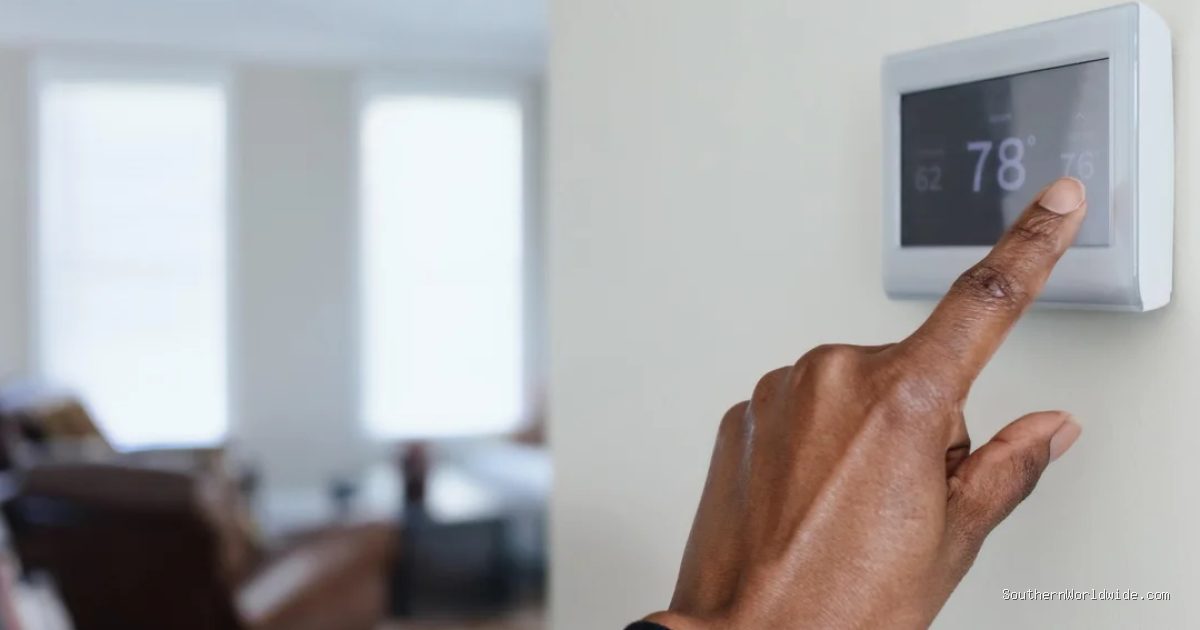
Wolfe advises against making sudden drastic reductions in air conditioning use. Instead, he recommends a gradual approach to adjusting the thermostat. This involves increasing the temperature by approximately one degree every couple of days until it reaches a maximum of 78 degrees Fahrenheit.
He further explained that for every degree the cooling is set higher, consumers can achieve about a 3% reduction in their electric bill. This gradual adjustment process, taking a week or two, allows occupants to adapt comfortably to the slightly warmer indoor temperatures.
Assessing Optimal Temperature Settings
Temperatures across the Northeastern United States are nearing historic highs, with over 185 million people under heat advisories as of Friday. This includes residents in major metropolitan areas such as Boston, New York City, Philadelphia, and Washington, D.C., as reported by the National Weather Service.
In response to these conditions, New York City Mayor Zohran Mamdani issued a plea via social media, urging New Yorkers to set their air conditioners to 78 degrees Fahrenheit. This measure aims to reduce the strain on the city’s power grid during the peak demand period.
The Mayor also encouraged residents to conserve energy by turning off lights and electronic devices that are not in use. Unplugging non-essential equipment was also recommended. The city administration itself is adhering to the 78-degree guideline in its own buildings and is implementing measures to dim lights whenever feasible.
Wolfe concurs with the 78-degree recommendation, identifying it as the upper limit for comfortable temperatures for most individuals. He also pointed out that residents can set their thermostats higher when they are away from home, and then lower the temperature to a more comfortable level shortly before their return.
Maximizing Efficiency: Shades and Maintenance
To mitigate the heat gain from direct sunlight, Wolfe suggests closing window blinds, shades, or shutters during the hottest parts of the day. This simple action can significantly help in reducing indoor temperatures.
He emphasized that blocking direct sunlight is a highly effective method for keeping homes cooler. Furthermore, maintaining the air conditioning unit is crucial for energy efficiency. A well-maintained and properly functioning cooling system consumes less electricity compared to one that is neglected.
While repairs and replacements for AC units can be costly, Wolfe noted that given the current high price of electricity, the investment often yields a faster payback period through energy savings. Regular maintenance ensures the system operates at peak efficiency, thereby reducing overall energy consumption and utility bills.