SouthernWorldwide.com – Virginia’s recent legislative leanings toward increased taxes and new regulations are sparking an economic competition, often termed a “backyard brawl,” with West Virginia Governor Patrick Morrisey actively seeking to attract businesses and workers from across the border.
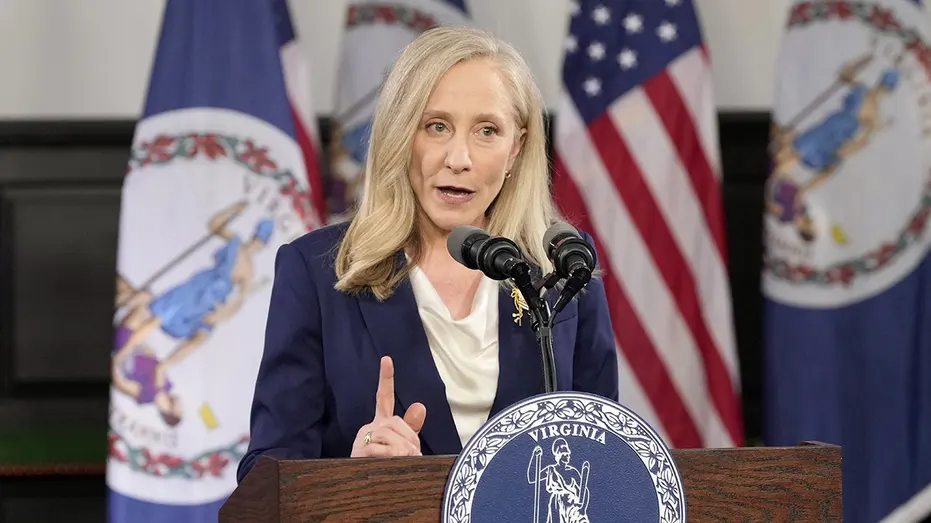
Virginia Governor Abigail Spanberger has championed an “affordability agenda.” However, a series of proposed tax hikes and regulatory changes by legislative Democrats have created an opening for neighboring states like West Virginia to vie for businesses and residents.
While some of these legislative proposals did not reach Spanberger’s desk or receive her endorsement, the prevailing political climate has prompted West Virginia officials to proactively target Virginia’s workforce and employers. They are presenting lower taxes and fewer regulations as a more attractive alternative.
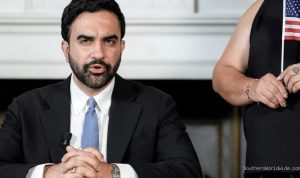
“The backyard brawl for our state’s future is being won both at the kitchen table and in the marketplace,” Governor Morrisey stated. He highlighted the Tabler Station project, which he recently unveiled, as just one of many similar initiatives underway across West Virginia.
The Tabler Station area is recognized for its significant apple industry, so much so that the local high school sports teams are known as the “Musselman Applemen.” The region also hosts major industrial facilities, including a substantial Clorox plant that is actively advertising job openings to travelers on Interstate 81.
“While Virginia chooses to burden its citizens and job creators with higher taxes, West Virginia is choosing freedom, fiscal responsibility, and a tax climate that makes our state more competitive for business than our neighbor.”
Governor Morrisey emphasized that he and his Republican allies in Charleston are committed to making all of West Virginia “open for business.”
He further suggested that Berkeley and the neighboring Jefferson County, which share borders with Virginia’s Loudoun County and Maryland’s high-tax Washington County, should serve as a model for regional business and tourism development.
The governor also pointed to a growing trend of individuals working in the Washington, D.C. area relocating to West Virginia’s Eastern Panhandle, even with the challenges of longer commutes and limited rail services.
“The difference between Virginia and West Virginia couldn’t be more clear,” he asserted. “West Virginia is coming for a lot of those businesses that would ordinarily locate in Virginia.”
Read more : Officials Reveal Colossal Tomb Linked to Alexander the Great: 'Unique and Magnificent
Governor Spanberger has acknowledged that she did not sign several proposed tax measures that did not reach her desk. However, she did approve an increase in the minimum wage and higher payroll contributions for family leave initiatives.
State Senator Jason Barrett, R-Martinsburg, who was instrumental in developing the economic development plans that received Governor Morrisey’s approval, noted that more individuals are already frequenting his area along the Virginia border. They are coming to “spend money, support local businesses, and really help economic development.”
Barrett’s new legislation establishes a framework for the state to create special tax districts. In these districts, a portion of state revenues can be redirected to counties, as the legislature holds the sole authority to implement tax structures. The law enacts provisions for this.
The law specifies that any redirected taxes must not “adversely affect” the state budget. Barrett’s legislation also establishes additional economic districts in locations such as Harpers Ferry, Henderson, Bridgeport, Princeton, Beckley, and Wheeling.
With the influx of new residents and an expanded tax base, Governor Morrisey expressed his hope that areas like Berkeley and Jefferson will enhance their appeal as a “travel destination” and a venue for youth sporting events. The revenue generated from the Tabler Station district will be utilized for the creation of these facilities, thereby generating further financial benefits for West Virginians.
While Richmond was contemplating tax increases, Governor Morrisey had already signed into effect a 5% income tax cut across the board in April. He also aligned Charleston’s tax code with the federal tax-cut provisions established under President Donald Trump.
Meanwhile, Governor Spanberger announced on Monday that she would be embarking on her own “economic development” tour across Virginia. In a statement, she declared, “from day one, my focus has been building an economy that works for every Virginian and delivers real results for families, businesses, and communities.”
Governor Spanberger indicated that her administration has already made stops in Harrisonburg and Fairfax as part of her tour, aiming to “bring people together to shape a clear, forward-looking plan.”
Although certain parts of West Virginia, particularly in the southern regions, continue to grapple with the long-term economic shifts in the energy industry, population growth and increased state revenues have facilitated significant tax reductions. This has further amplified the contrast with Virginia’s push towards new taxes and regulations.