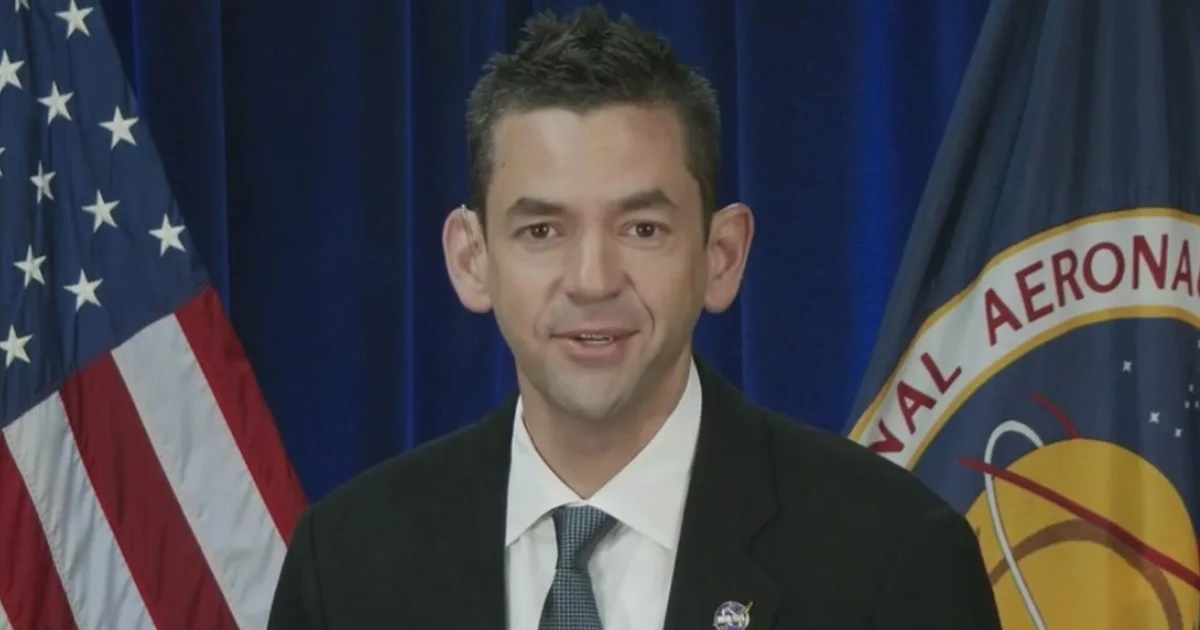
SouthernWorldwide.com – NASA Administrator Bill Nelson recently discussed the selection process for the Artemis III crew and the anticipated timeline for the upcoming moon landing mission during an interview on “CBS Mornings.”
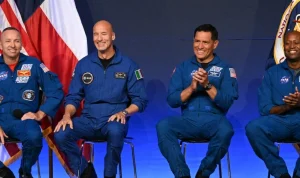
Nelson highlighted that the crew selection for Artemis III is a critical step in humanity’s return to the lunar surface. This mission is particularly significant as it will mark the first time a woman and a person of color will land on the Moon.
The chosen astronauts bring a diverse range of skills and experiences, essential for the success of this complex mission. Nelson emphasized the rigorous selection process that considered not only technical expertise but also psychological resilience and teamwork capabilities.
The Artemis III mission aims to land the first humans near the lunar south pole. This region is believed to hold significant scientific interest, particularly regarding the potential presence of water ice in permanently shadowed craters.
Nelson elaborated on the key objectives of Artemis III, which include conducting scientific research, testing new technologies, and paving the way for sustained human presence on the Moon.
Regarding the timeline, Nelson indicated that while the program is progressing, the exact date for the Artemis III landing is still being finalized. However, he expressed optimism about a potential landing in the year 2028.
The administrator acknowledged that space exploration missions are subject to various challenges, including technological development, budget considerations, and safety protocols. NASA is committed to ensuring the mission is executed safely and effectively.
Nelson also touched upon the broader goals of the Artemis program, which extends beyond Artemis III. The program aims to establish a long-term presence on the Moon and eventually serve as a stepping stone for human missions to Mars.
The interview provided valuable insights into NASA’s ambitious plans for lunar exploration. The Artemis III mission represents a major milestone, building upon the successes of previous Artemis missions.
Nelson reiterated NASA’s commitment to international collaboration in space exploration. Several international partners are contributing to the Artemis program, underscoring the global nature of these endeavors.
The scientific community is eagerly anticipating the data and discoveries that will emerge from the Artemis III mission. The opportunity to conduct in-situ research in a new lunar region is expected to yield groundbreaking results.
Nelson also highlighted the inspirational aspect of the Artemis program. By sending diverse crews to the Moon, NASA aims to encourage a new generation of scientists, engineers, and explorers.
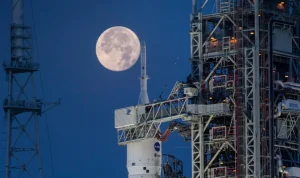
The discussion also briefly covered the technological advancements required for lunar missions, including the development of the Space Launch System (SLS) rocket and the Orion spacecraft.
Nelson expressed confidence in the capabilities of these systems, which are designed to support human spaceflight beyond low-Earth orbit.
The successful execution of Artemis III will be a testament to years of planning, development, and collaboration among thousands of individuals.
The administrator’s remarks underscored the methodical approach NASA is taking to achieve its lunar objectives.
The potential for a 2028 moon landing for Artemis III signifies a significant, yet achievable, goal for the space agency.
Nelson concluded by emphasizing that the Artemis program is not just about reaching the Moon but also about expanding human knowledge and capabilities for future exploration.