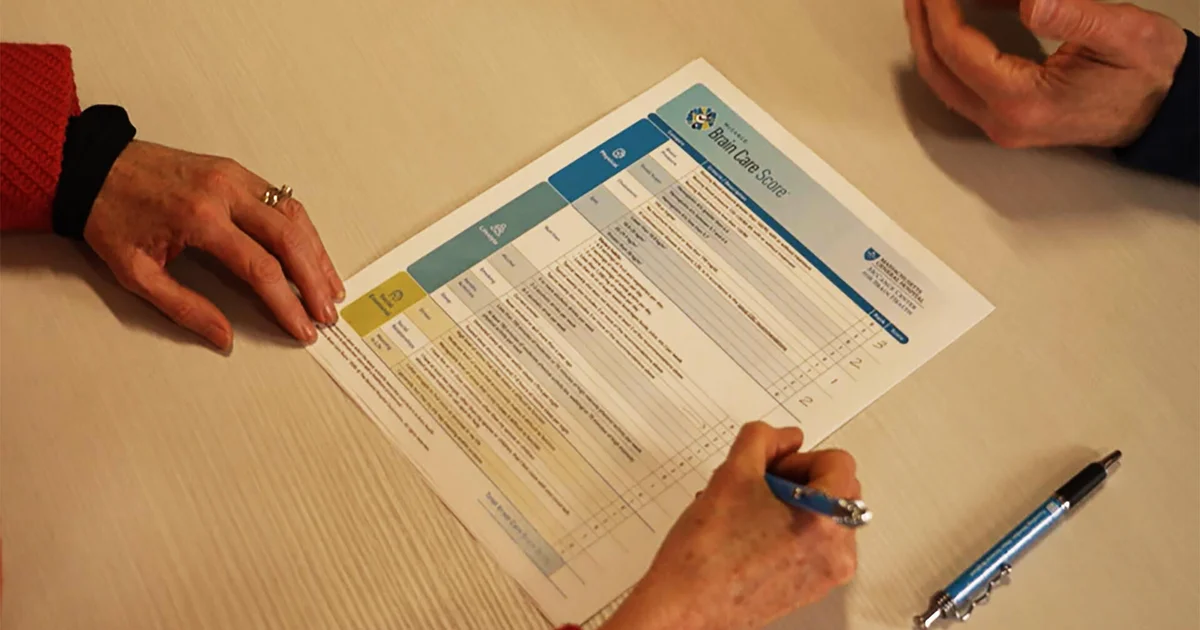
SouthernWorldwide.com – A groundbreaking tool called the Brain Care Score is offering new hope for individuals concerned about their risk of dementia, particularly those with a family history of the condition.
This innovative tool highlights the significant impact that lifestyle modifications can have in potentially reducing dementia risk.
National Public Radio correspondent Allison Aubrey discussed the tool and its implications with neurologist Dr. Jonathan Rosand.
Dr. Rosand explained that making conscious changes to daily habits could be a powerful prescription for brain health.
The Brain Care Score aims to demystify dementia risk, moving beyond a purely genetic predisposition.
It emphasizes that proactive lifestyle choices can play a crucial role in safeguarding cognitive function.
This approach empowers individuals by showing them tangible steps they can take to influence their long-term brain health.
Many people live with the fear that a family history of dementia inevitably means they will develop the condition themselves.
However, the Brain Care Score challenges this deterministic view.
It provides evidence that lifestyle interventions can significantly alter an individual’s trajectory.
This shift in perspective is vital for promoting preventative health strategies.
The tool is designed to be informative and actionable, providing clear guidance on how to improve brain care.
Dr. Rosand’s insights underscore the importance of a holistic approach to health, extending to cognitive well-being.
The conversation with Allison Aubrey shed light on the practical applications of this new scientific development.
It suggests that a healthier lifestyle is not just beneficial for the body but also for the brain.
The Brain Care Score is a testament to the growing understanding of how environmental factors interact with genetics.
By focusing on modifiable risk factors, the tool offers a sense of agency to those concerned about dementia.
This could lead to widespread adoption of healthier habits across the population.
The potential impact on public health is substantial, offering a proactive rather than reactive approach to cognitive decline.
The collaboration between NPR and Dr. Rosand highlights the role of journalism in disseminating important health information.
It ensures that scientific advancements are communicated in an accessible manner to the public.
The Brain Care Score represents a significant step forward in the fight against dementia.
Its focus on lifestyle changes offers a hopeful outlook for future generations.
The discussion emphasized that small changes in daily routines can yield significant long-term benefits for brain health.
This message of empowerment is central to the tool’s philosophy.
It encourages a proactive engagement with personal health.
The Brain Care Score is expected to be a valuable resource for individuals and healthcare providers alike.
Its ability to quantify risk and provide actionable advice makes it a practical tool.
The conversation also touched upon the complexities of brain health research.
Dr. Rosand’s expertise provided a crucial medical perspective on the findings.
The potential for lifestyle changes to mitigate genetic predispositions is a key takeaway.
This reinforces the idea that health outcomes are not solely determined by genetics.
The Brain Care Score is poised to become an important part of dementia prevention strategies.
Its emphasis on accessible, everyday actions makes it a powerful tool for public health initiatives.
The ongoing research in neuroscience continues to uncover new ways to support brain health.
Tools like the Brain Care Score translate these discoveries into practical applications.
The public’s engagement with such tools is vital for promoting preventative healthcare.
The Brain Care Score is a promising development in this ongoing effort.
It offers a beacon of hope for a future where dementia risk can be actively managed.
The importance of consulting healthcare professionals for personalized advice remains paramount.
However, the tool provides a valuable starting point for conversations about brain health.
The potential for widespread positive impact is significant.
The Brain Care Score exemplifies the power of translating scientific knowledge into accessible tools.
This approach can lead to tangible improvements in public health outcomes.
The conversation with Allison Aubrey served as an important public service announcement.
It highlighted a new avenue for individuals to take control of their cognitive future.
The Brain Care Score is more than just a tool; it’s a message of empowerment.
It signifies a shift towards proactive health management.
The future of dementia prevention looks brighter with innovations like this.
The ongoing dialogue about brain health is crucial.
The Brain Care Score contributes significantly to this conversation.
Its potential to change lives is immense.
The integration of lifestyle factors into risk assessment is a key advancement.
This approach acknowledges the multifaceted nature of health.
The Brain Care Score is a valuable resource for the public.
It promotes a positive and proactive approach to cognitive well-being.