SouthernWorldwide.com – Apple has agreed to a substantial $250 million settlement in a class-action lawsuit concerning allegations of misleading consumers about the capabilities of its AI features, particularly Siri. The case primarily focuses on the marketing surrounding the iPhone 16 launch and specific iPhone 15 models, which were presented as being ready for Apple’s forthcoming advancements in artificial intelligence.
The lawsuit contends that Apple overstated the sophistication and readiness of its AI and Siri functionalities at the time of purchase. Plaintiffs argue that consumers were led to believe that these advanced features would be immediately available, influencing their decision to buy or upgrade their devices. This perceived deception is at the core of the legal dispute.
Apple introduced its “Apple Intelligence” suite in June 2024, touting it as a significant leap forward for its product ecosystem, including iPhones, iPads, and Macs. A central element of this announcement was a revamped Siri, designed to be more personalized, context-aware, and capable of assisting with a wider range of everyday tasks across applications.
However, the lawsuit claims that Apple’s promotional materials created an expectation that these enhanced Siri capabilities would be fully integrated with the iPhone 16 or shortly thereafter. Instead, purchasers found that while some Apple Intelligence tools were present, the comprehensive Siri overhaul that was seemingly promised did not materialize as anticipated.
This discrepancy between marketing promises and product reality forms the crux of the legal action. The plaintiffs assert that customers made purchasing decisions based on AI features that were not yet fully developed or deployed. Apple, in its defense, states that it has since implemented numerous Apple Intelligence features and opted to settle the case to maintain its focus on product development.
The proposed settlement establishes a $250 million fund for eligible claimants. Individuals who successfully file and have their claims approved are anticipated to receive a minimum of $25 per qualifying device. This amount could potentially increase to as much as $95 per device, contingent on the total number of claims filed and other factors stipulated in the settlement agreement.
While the payout per individual may not be substantial, it represents a potential return for consumers who purchased specific iPhone models during the relevant period. For those who bought one of the affected phones, staying informed about the claims process could result in a modest financial recovery.
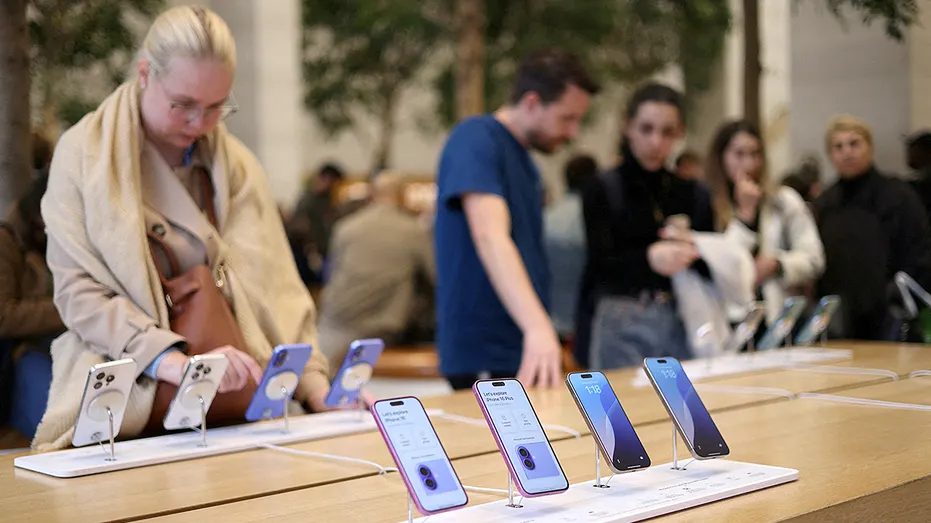
The settlement specifically covers U.S. consumers who purchased any iPhone 16 model, or the iPhone 15 Pro or iPhone 15 Pro Max, within the timeframe of June 10, 2024, to March 29, 2025. It is important for potential claimants to verify their device model and purchase date.
The eligible iPhone 16 models include the iPhone 16, iPhone 16 Plus, iPhone 16 Pro, iPhone 16 Pro Max, and iPhone 16e. For the iPhone 15 series, only the Pro and Pro Max variants are included in the settlement, not all iPhone 15 models.
Key to determining eligibility are the specific device model purchased, the date of purchase, and confirmation that the purchase was made within the United States. Consumers should retain any proof of purchase they may have.
There is no immediate action required from potential claimants. The settlement is still subject to court approval. Once the claims period officially opens, eligible customers are expected to receive formal notification via email or postal mail. This notice will contain detailed instructions on how to submit a claim through an official settlement website.
Given the nature of such settlements, consumers should exercise caution regarding potential scams. Authentic settlement notices will not request sensitive information such as Apple ID passwords, bank login details, or payment information to process a claim. It is advisable to verify the authenticity of any communication and await official details from the settlement administrator before taking action.
This case highlights a broader trend in the technology industry, where companies are aggressively marketing artificial intelligence as a must-have feature. This creates a challenge for consumers, who are often pressured to purchase products based on promises of future capabilities rather than current functionality.
The delay or limited availability of advertised features can be particularly frustrating for consumers who upgrade their devices specifically for these advancements. A more intelligent and personalized Siri could offer significant convenience, but if these tools are not readily accessible or perform as expected, the perceived value of the upgrade diminishes.
The settlement also serves as a message regarding AI-related marketing practices. While companies are free to discuss upcoming features, transparency regarding the timeline and clear explanations are crucial. The phrase “coming soon” can carry vastly different implications when consumers are investing significant amounts of money in their devices.
For individuals who purchased an iPhone within the specified settlement period and models, it is recommended to monitor their email and physical mail for official claim notices. If the court approves the settlement, these notices will guide them through the process of potentially receiving compensation.
It is also advisable to keep any original purchase receipts or proof of purchase. This documentation, whether it be a retailer receipt, carrier account statement, or Apple’s purchase history, may be required to support a claim.
More generally, this situation serves as a reminder for consumers to approach promises of advanced technological features, particularly AI, with a critical eye. Before committing to an upgrade, it is prudent to ascertain whether the advertised feature is currently functional or if the company is asking the consumer to wait for its eventual release.
Asking this question can help consumers avoid purchasing a device based on a future feature that may take an extended period to become available, or may not meet expectations upon release.
Apple has historically built its brand on delivering polished, user-friendly, and personalized technology experiences. This context makes the Siri settlement particularly noteworthy, as consumers rely on their iPhones for a multitude of daily tasks. The expectation that AI would enhance these fundamental functions led to disappointment when those capabilities were perceived as delayed or incomplete.
Read more : Everyday Locations Where Americans May Encounter Hantavirus Unknowingly
While the financial compensation offered in the proposed settlement may be modest, the underlying issue relates to consumer trust. When companies leverage AI as a primary driver for device upgrades, customers have a right to clear information about what features are functional at the time of purchase and what remains in development.