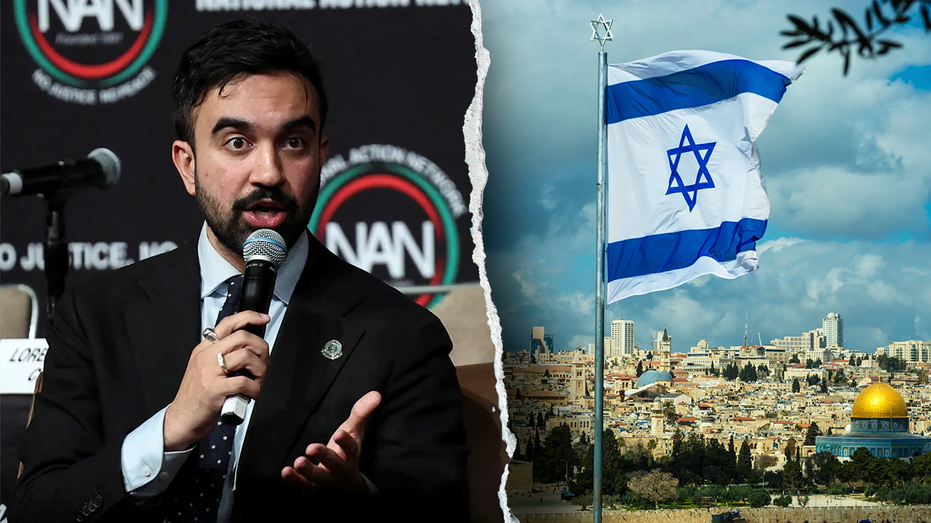
SouthernWorldwide.com – New York City Mayor Zohran Mamdani is facing significant backlash from Jewish organizations for his decision to skip the city’s traditional Israel Day Parade. This move comes at a time when New York City is experiencing unprecedented levels of antisemitism.
New York is home to the largest Jewish population outside of Israel, and the annual parade has long been a symbol of solidarity for the city’s Jewish community and the Jewish state.
In response to Mayor Mamdani’s recent decision, two prominent Jewish organizations in the city declined an invitation to a Jewish heritage event hosted at Gracie Mansion.
Earlier in June, Mayor Mamdani officially confirmed his intention not to attend the parade. This announcement was made despite a surge in antisemitic incidents across New York City and weeks of anti-Israel demonstrations targeting synagogues and Jewish community centers.
Organizers of the Israel Day Parade anticipate a record turnout for the event on May 31st, partly as a reaction to the mayor’s absence.
Although Mayor Mamdani had previously hinted in an October 2025 interview with the Jewish Telegraphic Agency that he might not attend due to his political principles, his recent public confirmation has intensified criticism.
Read more : Congress must not disrupt the vital freight rail link for American farmers
The mayor stated, “I look forward to joining and hosting many community events celebrating Jewish life in New York and the rich Jewish history and culture of our city. While I will not be attending the Israel Day Parade, my lack of attendance should not be mistaken for a refusal to provide security or the necessary permits for its safety. I’ve been very clear: I believe in equal rights for all people everywhere. That principle guides me consistently.”
Community leaders have highlighted that this decision breaks a bipartisan tradition spanning decades. In New York City, participation in the Israel Day Parade has historically been both symbolic and expected.
Organizers anticipate this year’s parade will feature more marching groups than ever before. This increased participation is attributed not only to support for Israel but also to growing concerns about rising antisemitism.
Despite the broader context, a significant portion of the discussion surrounding the parade has focused on Mayor Mamdani’s absence.
During his mayoral campaign, Mamdani suggested that he would likely “miss a lot” of New York City’s traditional parades due to his political views, indicating that he would evaluate appearances on a “case-by-case” basis.
Critics argue that the Israel Day Parade is more than just another political event; it is a long-standing civic tradition deeply intertwined with New York City’s Jewish identity and history.
The controversy involving Mayor Mamdani has extended beyond the parade itself. The UJA Federation of New York and the Jewish Community Relations Council of New York have stated they will not participate in his upcoming Jewish Heritage event for Shavuot at Gracie Mansion.
They cited their refusal as a response to attending an event hosted by a mayor who “denies the core pillar of our heritage, the State of Israel as the homeland of the Jewish people.”
At the event, Mayor Mamdani acknowledged the severity of antisemitism affecting the city’s Jewish population. He stated, “Jewish New Yorkers, accounting for just nearly 12% of our city’s population, are also the targets of more than 50% of all hate crimes.”
He also announced a proposed annual investment of $26 million to expand hate crime prevention efforts through the city’s Office for the Prevention of Hate Crimes. At the time of publication, details on how this proposal would specifically address antisemitism were not clear.
This year’s Israel Day Parade is also expected to see increased interfaith participation. In a notable first for the event’s 61-year history, some Muslim groups are scheduled to march alongside Jewish organizations.
Additionally, there will be expanded participation from Asian American groups and other communities.