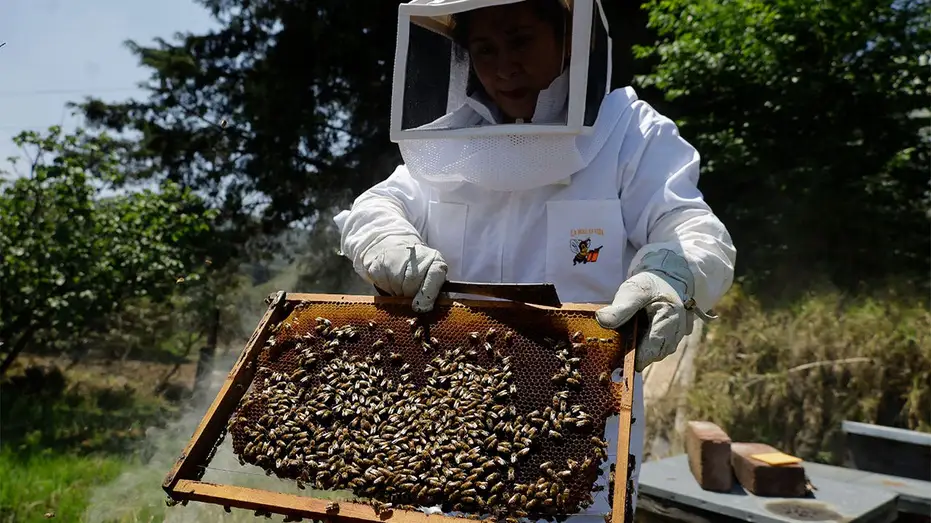
SouthernWorldwide.com – A community in Florida has implemented AI-powered robotic beehives in an effort to combat the alarming decline in bee populations, a crisis that poses a significant threat to the nation’s food supply.
The Angeline development, located in Land O’ Lakes, has become the first master-planned community to adopt Beewise’s automated BeeHome system. This innovative technology leverages robotics, sensors, and artificial intelligence to diligently monitor the health of bee colonies and shield them from various environmental dangers.
This technological intervention comes at a critical time, as bee populations across the United States face mounting pressure. Parasites, pesticides, diseases, and extreme weather conditions are all contributing factors that experts warn could jeopardize agriculture throughout the country.
Steve Peck, Beewise Managing Director, highlighted the crucial role of bees in our ecosystem. He stated that bees are responsible for pollinating approximately 75% of the crops we consume and about 80% of flowering plants globally. Consequently, a decline in bee populations directly imperils our food security.
The Angeline community itself depends on bees for the pollination of a 2.5-acre farm. This farm is vital in supplying produce for the entire development, underscoring the immediate local impact of bee health.
The BeeHome system is equipped with advanced internal cameras, sensors, and robotic components. These tools work in tandem to meticulously inspect hives and pinpoint issues that would typically require the hands-on attention of a beekeeper.
Peck elaborated on the precision of the robotics, explaining that they can accurately determine their position within the hive at any given moment. This allows the system to perform inspections akin to a beekeeper’s, and then relay this critical information to technicians worldwide for analysis and action.
Read more : Consumers Continue Spending, But Weaknesses Emerge
The automated system is designed to continuously monitor key indicators of hive well-being. This includes the health of the queen bee, egg production rates, and the presence of infestations, such as the varroa mite. Varroa mites are identified as one of the primary drivers behind colony collapse in honeybee populations.
Furthermore, Peck explained that the technology possesses the capability to respond automatically when threats to the hive are detected. This proactive approach is crucial for preventing widespread colony loss.
The system can implement targeted treatments directly within the hive. For instance, it can carefully move bees to a section of the hive where the temperature is elevated. This controlled increase in temperature is sufficient to eliminate mites without harming the bees. Peck asserted that this method has demonstrated a remarkable 70% reduction in colony collapse compared to natural occurrences observed globally.
The Beewise BeeHome technology is already deployed and operational across hundreds of thousands of acres of agricultural land nationwide, indicating a broader adoption and trust in its capabilities.
Project officials have been keen to emphasize that this advanced system is intended to supplement, rather than replace, traditional beekeeping methods. This distinction is important as the ongoing environmental pressures continue to pose a severe threat to bee colonies everywhere.
Lisa Gibbings from Metro Development Group voiced the daily risks bees face. She noted that bees are constantly at risk of destruction due to factors such as adverse weather, environmental elements, and pesticide exposure, highlighting the need for innovative solutions.
The diminishing bee populations have become a significant point of concern for farmers and agricultural experts in recent years. This heightened awareness stems from the indispensable role pollinators play in the entire food production chain and in maintaining the stability of ecosystems across the United States.