SouthernWorldwide.com – Following a challenging 2025 season that concluded with a 3-14 record, the Tennessee Titans have initiated a significant overhaul during the offseason.
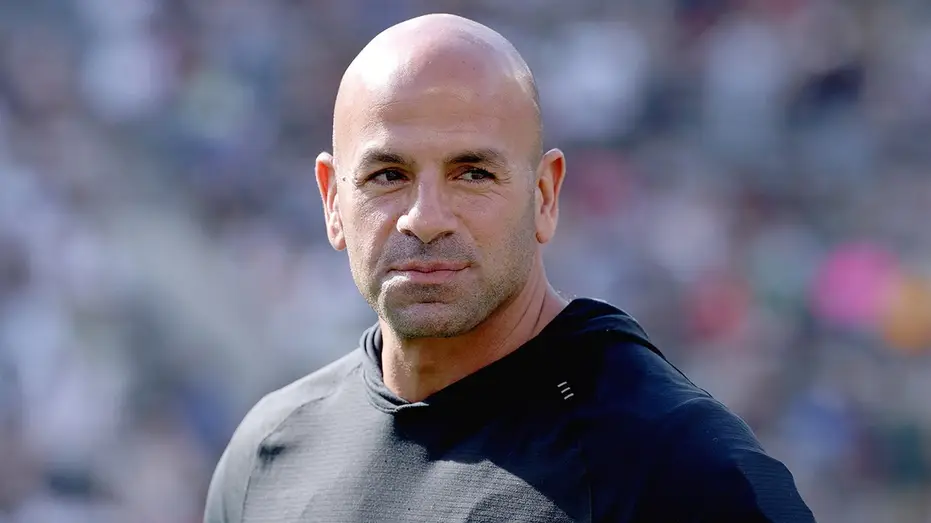
Brian Callahan was let go just six games into his second year as head coach. In January, Robert Saleh departed from his role as defensive coordinator for the San Francisco 49ers to take the helm of the Titans.
This marks Saleh’s second opportunity as an NFL head coach, where he will be instrumental in nurturing the development of Cam Ward, the top overall draft pick from the previous year. Ward demonstrated promise as a rookie, throwing for 15 touchdowns against seven interceptions.
Saleh’s inaugural rookie camp with the Titans commenced this week. However, the new head coach indicated on Thursday that his strategic focus extends beyond the confines of the football field.
CLICK HERE FOR MORE SPORTS COVERAGE ON FOXNEWS.COM
Saleh announced that seed oils will no longer be provided within the Titans’ training facility in Nashville. The team’s nutrition staff is collaborating closely with coaches and players to manage this dietary transition.
The Titans are considering replacing common cooking oils like canola and soybean with alternatives that they believe could enhance player performance.
“One of the first initiatives we implemented here was the removal of all seed oils from the facility, which I believe the players are grateful for. Ms. Amy [Adams Strunk, controlling owner] has empowered us to adjust the budget to offer the players a more diverse selection,” Saleh shared with reporters.
“I’ve worked in six different organizations, and I would rank this staff among the very best. The quality of the meals provided in the cafeteria daily is exceptional.”
WHAT UNC FEEDS ITS FOOTBALL PLAYERS IN THE BILL BELICHICK ERA
Saleh’s declaration has sparked considerable discussion within the nutrition community, where opinions on the matter remain divided.
Read more : Giants Extend General Manager Joe Schoen's Contract
“There is substantial scientific evidence indicating that seed oils are not detrimental to health; in fact, they can be beneficial,” stated Matti Marklund, Ph.D., M.S.E., an assistant professor at the Johns Hopkins Bloomberg School of Public Health.
Marklund further commented that seed oils “have been unfairly criticized due to misinterpretations of their production processes and how the human body utilizes them, as well as their widespread presence in ultra-processed foods.”
The Titans are scheduled to commence their regular season on September 13th, hosting the New York Jets, the team Saleh coached from 2021 to 2024.
While seed oils have not historically been directly linked to violations of the NFL’s drug policy, players might still want to exercise caution regarding the processing methods of certain oils.
Hemp seed oil is generally found to be free of cannabinoids and is unlikely to result in a positive THC test. However, unrefined hemp oils, hemp seed protein powders, and products derived from whole or crushed hemp seeds can contain trace amounts of THC metabolites. Elevated levels of these metabolites in an athlete’s system could potentially lead to a positive marijuana test result.
Hemp seed oil is frequently used in salad dressings or as a finishing drizzle for dishes such as soups, roasted vegetables, and pasta. It can also be incorporated into cold dips and sauces or blended into mayonnaise and hummus.
Poppy seed oil, sometimes used in baked goods like muffins and bagels, can also contain trace quantities of morphine and codeine. Consuming significant amounts of this oil could potentially trigger a positive drug test, according to information from the U.S. National Library of Medicine.
“The ingestion of poppy seeds, which contain morphine and codeine, can lead to positive opiate test results and misinterpretations in forensic and clinical settings. Numerous studies have examined urine opiate concentrations following the consumption of poppy seeds,” the NLM reports.
In 2016, the independent administrator overseeing the NFL’s drug-testing program cautioned players against consuming meat products from China and Mexico due to concerns about clenbuterol contamination. Clenbuterol is a stimulant known for its muscle-building and weight-loss effects.
This substance is prohibited under the league’s policy on performance-enhancing drugs. “Consuming large quantities of meat while visiting those particular countries may result in a positive test,” the administrator’s memo stated at the time.