SouthernWorldwide.com – As the United States approaches its 250th anniversary, Americans have a unique opportunity to delve into the pivotal stories that shaped the nation’s birth. Among these narratives is a lesser-known event that connects a familiar modern-day spectacle—fireworks—to the often-overlooked tyranny and grievances that fueled the American Revolution.
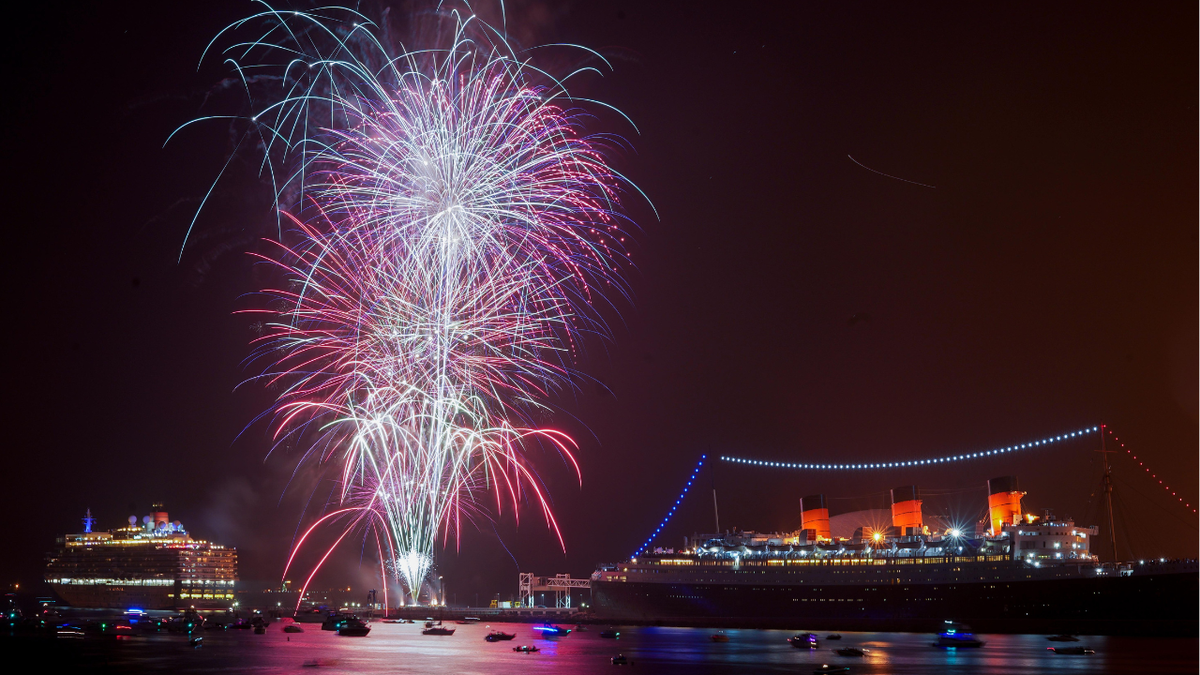
While fireworks are a beloved staple of July 4th celebrations, their origin story in America surprisingly traces back not to July 4th, but to May 16, 1776. This date marks the 250th anniversary of America’s fireworks tradition, a detail explored in new books such as “A Great and Grateful Nation: From Grievance to Gratitude” and “First Fireworks for Independence.”
Weeks before the Continental Congress formally declared independence from Great Britain, 112 distinguished Virginians convened in Williamsburg for a crucial meeting. Notable attendees included the future statesman James Madison and John Augustine Washington, brother of General George Washington, who was serving with the army in New York at the time.
The gathering was necessitated by the widespread chaos gripping Virginia in 1776. The colony’s legislative body, the House of Burgesses, had been dissolved by the royal governor. Compounding the public’s distress, the existing government, under the direction of Virginia’s royal governor, Lord Dunmore, was actively terrorizing the populace. Operating from an armed ship, Dunmore’s forces were engaged in burning farms and perpetrating violence along the rivers.
In a resolution adopted on May 15, 1776, the Virginians articulated their dire situation: “By a late act all these colonies are declared to be in rebellion, and out of the protection of the British Crown, our properties subjected to confiscation.”
This declaration came after the Continental Congress’s attempt in July 1775 to seek reconciliation with King George III through an olive branch petition. Their plea for peace and security under British rule was met with a declaration of war by the king instead of a receptive ear.
The Virginians’ 1776 resolution further detailed their frustration, stating that instead of receiving a “redress of grievances” from the king’s “imperious and vindictive administration,” the British military had intensified their actions. They described “increased insult, oppression, and a vigorous attempt to affect our total destruction.”
Faced with such extreme circumstances, the Virginians recognized their limited options. They concluded, “In this state of extreme danger, we have no alternative left but an abject submission to the will of those overbearing tyrants or a total separation from the crown and government of Great Britain.”
In a unanimous vote, they declared Virginia independent from England and urged the Continental Congress to extend this declaration to all 13 colonies.
Their resolution called for “That the delegates appointed to represent this colony in General Congress [the Continental Congress] be instructed to propose to that respectable body TO DECLARE THE UNITED COLONIES FREE AND INDEPENDENT STATES.”
The following day, May 16, 1776, marked a day of celebration for these Virginians. The militia paraded through Williamsburg, offering toasts to General Washington and to the prospect of American victory. A celebratory feast was held, and the British flag atop the governor’s palace was replaced with the Grand Union Flag, a significant symbol featuring 13 red and white stripes representing the unified colonies.
The day culminated in a spectacular display of golden fireworks. Accounts from the evening describe “illuminations [fireworks], and other demonstrations of joy, everyone seeming pleased that the domination of Great Britain was now at an end, so wickedly and tyrannically exercised for these twelve or thirteen years past, notwithstanding our repeated prayers and remonstrances of redress.”
This exuberance stemmed from their gratitude for unifying and undertaking such a courageous step. Over the subsequent weeks, news of Virginia’s festivities spread, reported by 13 newspapers, including four from Pennsylvania. This widespread reporting is believed to have inspired John Adams’s famous prediction of how independence would be celebrated nationwide.
Adams envisioned this “memorable epoch in the history of America … will be celebrated, by succeeding generations, as the great anniversary festival. It ought to be commemorated as the day of deliverance by solemn acts of devotion to God Almighty. It ought to be solemnized with pomp and parade, with shows, games, sports, guns, bells, bonfires and illuminations from one end of this continent to the other from this time forward forever more.”
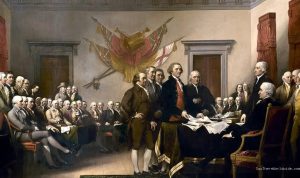
When the Continental Congress officially adopted the Declaration of Independence on July 4, 1776, transforming the 13 colonies into the 13 United States of America, the Virginians in Williamsburg marked the occasion with another fireworks display.
A year later, on July 4, 1777, marking the nation’s first anniversary, cities like Boston and Philadelphia launched fireworks to commemorate independence for the first time in their locales. This practice gradually spread to more cities, establishing fireworks as the customary way Americans express joy on July 4th.
Baca juga di sini: Sami Zayn Betrays Cody Rhodes Amidst Gunther's Attack
As the United States prepares to celebrate 250 years of independence in 2026, recalling the founding generation’s grievances and the origin of fireworks serves as a powerful reminder of the courage it took to declare independence. Understanding these foundational stories is crucial to appreciating what initially made America great, providing ample reason for celebration.