SouthernWorldwide.com – The theft of cargo, impacting everything from popular toys like LEGO to premium spirits like tequila, has become a pervasive issue that necessitates legislative action. This growing problem, often unseen by the public, has significant financial repercussions that ultimately affect consumers.
The scene was almost unbelievable: two trailers laden with approximately $1 million worth of LEGO sets abandoned in the vast California desert. This was not a hallucination but a stark reality.
Following a pursuit through the desert, law enforcement apprehended three individuals who had hijacked the trucks. These thieves targeted the valuable and easily resalable LEGO bricks, which were being transported from Texas to California, with the intention of profiting from their sale on the black market. This incident serves as a potent illustration of a national problem that, while largely invisible to most Americans, is increasingly being felt in their wallets.
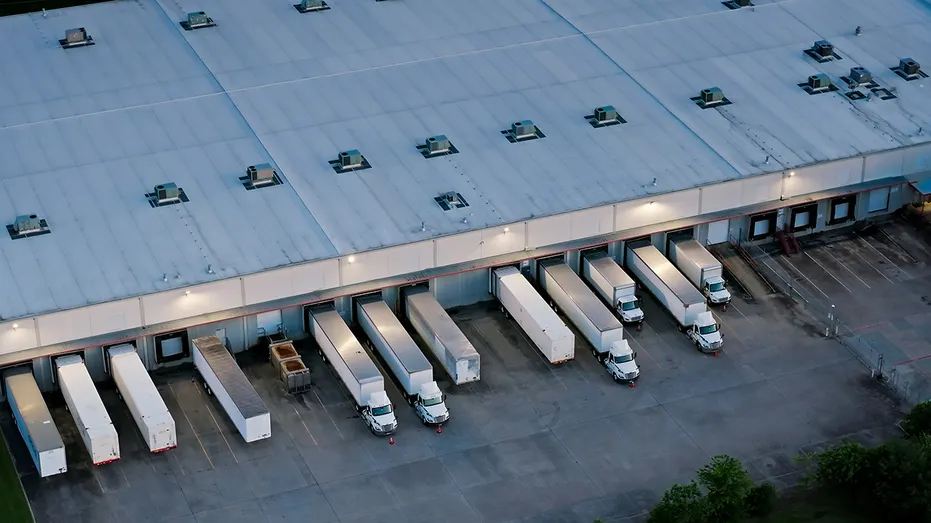
For the professionals dedicated to maintaining the nation’s supply chains, cargo theft has transformed into a constant and unsettling threat. Every journey a truck driver embarks upon carries the inherent risk that the goods within the trailer might disappear before reaching their intended destination. Data from Verisk CargoNet indicates that Memorial Day has historically been a peak period for cargo thieves, often due to unattended loaded trailers and reduced warehouse staffing.
The trucking industry incurs losses of approximately $18 million daily due to cargo theft. However, this is far from being an isolated industry concern. It effectively functions as an unacknowledged tax on consumers.
When valuable commodities such as $400,000 worth of Costco lobster, $1 million in tequila branded by celebrities like Guy Fieri and Sammy Hagar, or $4 million in skincare products vanish, the consequences ripple outwards. Insurance premiums for trucking companies and retailers inevitably rise, security expenses escalate, and these increased costs are ultimately passed on to consumers through higher prices in stores and online purchases.
GUY FIERI’S MISSING TEQUILA MYSTERY: WILD NEW DETAILS EMERGE AFTER MILLION-DOLLAR HEIST
For consumers, the ramifications extend beyond minor price increases at the checkout counter. The theft of goods leads to delivery delays and compels retailers to inflate prices as a protective measure against future losses. Consequently, certain products can become more difficult to procure, particularly during periods of high consumer demand.
At a time when many households are already grappling with the pressures of persistent inflation and escalating fuel prices, the prevalence of organized cargo theft adds another layer of financial strain, pushing everyday expenses higher.
This is precisely why intervention from Congress is imperative.
DEMOCRAT ACCUSES TRUMP ADMINISTRATION OF DIVERTING ‘CRITICAL RESOURCES’ FROM FIGHTING ORGANIZED RETAIL THEFT
On May 12, the House of Representatives passed the Combating Organized Retail Crime Act, commonly known as CORCA. This legislation is specifically designed to bolster the federal government’s response to organized theft networks. It is now incumbent upon the Senate to approve this critical bill.
Cargo theft operations rarely respect state boundaries, yet the authority of law enforcement is frequently confined by these jurisdictional limits. Local investigators often find themselves entangled in complex investigations that span multiple regions, while criminal syndicates adeptly exploit these gaps in oversight.
Baca juga di sini: MAGA Voters Fuel Anti-Incumbent Uprising, and the Reasons are Clear
According to the American Transportation Research Institute, a staggering three-quarters of stolen freight is never recovered. Furthermore, only about one in ten cargo theft incidents result in an arrest.
The LEGO heist, while a clear violation, represented a rare exception—and an even rarer instance where arrests were made. The core issue is not a deficiency in law enforcement’s dedication but rather the fact that criminal tactics have advanced at a pace that outstrips the available tools to combat them.
CRIME RINGS, HACKERS JOIN FORCES TO HIJACK TRUCKS NATIONWIDE, FUELING MAJOR HOLIDAY SHIPPING SECURITY FEARS
The CORCA legislation aims to rectify this imbalance. It would facilitate enhanced intelligence sharing among various agencies, strengthen initiatives to identify and dismantle theft networks, and provide mechanisms to seize illicit profits. Additionally, it proposes the establishment of a federal coordination center within the Department of Homeland Security.
With these enhanced tools, law enforcement agencies would be better equipped to respond effectively, rather than operating with significant limitations.
These resources are essential because tracking the perpetrators and the financial flows behind these sophisticated heists can be exceedingly difficult. Well-funded transnational criminal organizations employ deceptive tactics, such as fraudulent identities, manipulated dispatch systems, and digital subterfuge, to impersonate legitimate trucking companies and reroute entire shipments of goods without direct physical interaction with the vehicles themselves.
By the time companies realize a shipment is missing, the cargo may have already been delivered to an undisclosed location, traversed multiple state or even international borders, and been resold. The FBI recently issued a public advisory highlighting the continuously evolving digital strategies employed by thieves.
In essence, cargo theft currently presents a low-risk, high-reward proposition for criminals. By enacting CORCA into law, this risk-reward calculus can be fundamentally altered.
Perhaps one of the most significant aspects of this legislative push is the broad coalition of support it has garnered. Trucking companies, retailers, railroad operators, and law enforcement associations have all endorsed the bill. This widespread backing, coupled with bipartisan majorities in the House, underscores a shared understanding: when these criminal syndicates operate with impunity, the economic burden is borne by everyone.
The Senate now faces a critical decision: either pass CORCA, sending it to President Donald Trump’s desk for signature, or permit organized cargo theft to solidify its position as an even more entrenched and costly threat, with American consumers ultimately footing the bill.
The House of Representatives has fulfilled its responsibility.
It is now time for the Senate to undertake its crucial role.