SouthernWorldwide.com – The U.S. Senate has taken a significant initial stride toward averting future government shutdowns by advancing a proposal that introduces accountability for lawmakers. This move aims to impose “painful consequences” on those who choose to instigate a shutdown.
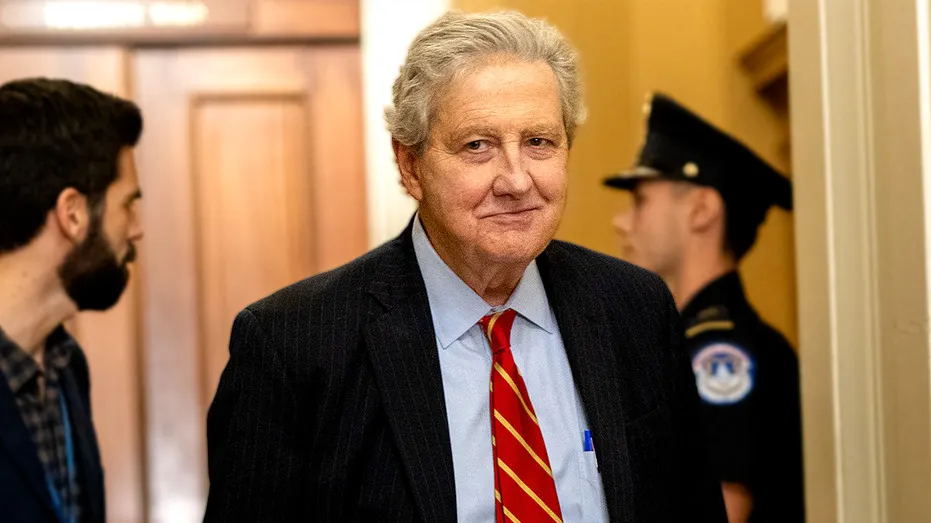
The Senate unanimously moved forward on Wednesday with a resolution introduced by Senator John Kennedy, a Republican from Louisiana. If this resolution is ultimately passed, it would stipulate that lawmakers would not receive their salaries during any future government shutdowns.
This initiative comes at a time when government shutdowns, once a rare occurrence, have become a frequent political weapon, particularly wielded by Democrats over the past year. Despite having been at the center of the two longest shutdowns in U.S. history, Senate Minority Leader Chuck Schumer, a Democrat from New York, and his Democratic colleagues supported the advancement of this measure.
Schumer himself publicly stated his support for the Republican plan to introduce “pain” during future shutdowns, indicating he would vote for it. This bipartisan backing for the initial step suggests a shared desire to address the issue of government shutdowns.
However, the progress of this resolution through its first hurdle has not entirely alleviated concerns. There remains apprehension that Democrats might still attempt to force another shutdown before the upcoming midterm elections in the fall.
Senator Thune commented on the political dynamics, suggesting that lawmakers realize the difficult position of opposing such a measure. He highlighted that it is a challenging vote for Democrats, especially when many government employees are not being paid, and members of Congress are being asked to vote against their own pay while others are not receiving theirs.
Thune speculated that Democrats likely had a “fairly robust conversation” about the issue during their lunch meeting the previous day, recognizing the political implications of their stance.
A key aspect of Kennedy’s resolution is that it cannot take effect until after the upcoming election cycle. This delay has amplified concerns that Democrats might be tempted to use a shutdown as a tactic to influence the midterm elections.
Read more : Gang Member's Murder Conviction Arrest Highlights Sanctuary Policy Debate
Senator Kennedy expressed his personal preference, stating that if he had the authority, he would make the resolution effective immediately. He conveyed his significant concern that his Democratic colleagues in the Senate might attempt to shut down the government again just before the elections to create chaos and impact the results of the midterm elections.
Kennedy’s resolution is designed to instruct the Secretary of the Senate to withhold lawmakers’ pay until a government shutdown is resolved. The annual salary for a rank-and-file senator is $174,000, while party leaders can earn over $193,000 annually.
It is important to note that this resolution would specifically apply only to the Senate. Senator Kennedy made this distinction clear on the Senate floor prior to the vote.
Kennedy’s proposal is not the sole effort emerging from the Senate in response to the disruptions caused by past shutdowns. These include the 43-day shutdown related to enhanced Obamacare premium tax credits and the more recent 76-day shutdown of the Department of Homeland Security.
Government shutdowns have indeed become a more common negotiating tool for Democrats over the past year and a half. During former President Trump’s second term alone, Congress has faced the brink of a shutdown on four separate occasions.
In addition to Kennedy’s resolution, Senator Ron Johnson of Wisconsin has been advocating for his “Shutdown Fairness Act.” This act proposes that federal workers who are still required to work during a shutdown should continue to receive their pay.
Senator James Lankford of Oklahoma has introduced the “Prevent Government Shutdowns Act.” This bill would establish a mechanism for automatic two-week funding extensions for the government, continuing until Congress reaches a compromise on a funding agreement.