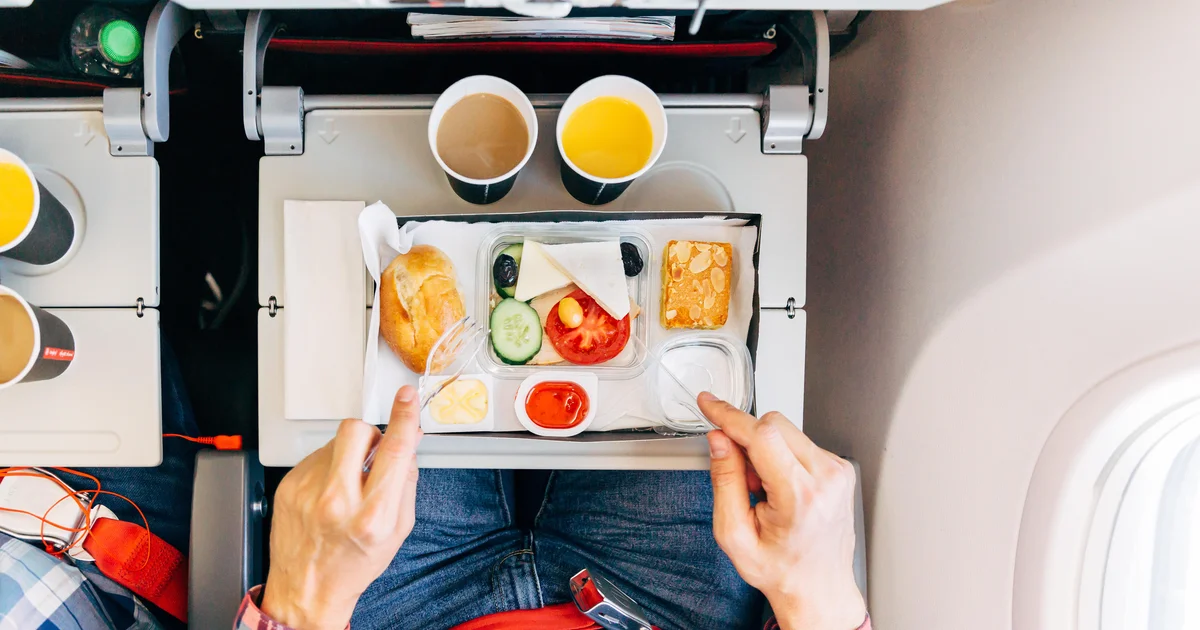
SouthernWorldwide.com – Delta Air Lines is adjusting its onboard service, announcing a reduction in food and beverage offerings for passengers on shorter flights. This change is set to take effect on May 19.
The airline stated that the primary goal of this adjustment is to create a more uniform customer experience across its entire network. This means that flights under 350 miles will no longer include complimentary food and beverage service.
However, this new policy includes an exception for first-class passengers, who will continue to receive full service regardless of flight duration. Delta emphasized that this ensures a consistent premium experience for those in first class.
To illustrate the impact, a flight between New York and Boston, which is less than 300 miles, will fall under this new policy. Conversely, flights like the one from Los Angeles to San Francisco, which are longer than 350 miles, will still provide food and drinks.
Read more: Astronaut Artemis Berbagi Momen Paling Berkesan dan Keputusan Tersulit dalam Misi Bulan
Delta estimates that approximately 9% of its daily flights will be affected by this reduction in service. This change aims to streamline operations and potentially manage costs more effectively.
On a contrasting note, Delta is enhancing service for certain passengers on longer routes. Passengers in Delta Comfort and Delta Main Cabin traveling 350 miles or more will see an increase in available food and drink options. The airline reports that this expansion will result in 14% of its daily flights offering enhanced service.
Delta assured customers that even on flights where food and beverage service is reduced, the flight crew will remain attentive and committed to passenger care. The airline stressed that the crew’s focus on customer well-being is a constant across all flights.
This move by Delta aligns with trends seen across the airline industry regarding onboard service. American Airlines, for instance, provides meals on flights exceeding 250 miles, a policy also followed by Southwest Airlines.
United Airlines has its own threshold, offering food and beverage service on flights that are 300 miles or longer. These varying policies highlight the different strategies airlines employ to balance service offerings with operational considerations.
The broader aviation industry is currently navigating a challenging economic landscape. Airlines are simultaneously implementing fare increases and reducing flight routes. These decisions are largely a response to escalating jet fuel costs, which have been influenced by geopolitical events such as the Iran war.
Jet fuel represents a significant portion of an airline’s operational expenses, sometimes accounting for up to 30%. Consequently, carriers are actively seeking methods to mitigate these increased costs and maintain profitability.
Industry experts suggest that the recent financial difficulties and subsequent collapse of Spirit Airlines could also contribute to higher airfares for travelers. Spirit Airlines, as a budget carrier, played a role in keeping overall ticket prices more competitive.
The adjustments in service by Delta, alongside industry-wide responses to economic pressures, indicate a dynamic period for air travel. Passengers may need to adapt to changes in onboard amenities and potentially higher costs as airlines manage operational and market challenges.