SouthernWorldwide.com – France has expanded its nuclear deterrence initiative to include a ninth European nation, signaling a significant shift in the continent’s approach to self-defense. This move comes as European governments are increasingly taking on a larger role in their own security, a trend amplified by years of pressure from former President Donald Trump for NATO allies to contribute more to the alliance’s defense burden.
Norway officially announced on Wednesday its decision to join France’s “forward deterrence” initiative. This makes Norway the latest country to engage in discussions regarding how France’s nuclear arsenal could bolster European security. The initiative already includes several key European nations: Germany, Poland, the Netherlands, Belgium, Denmark, Sweden, Greece, and the United Kingdom.
Norwegian Prime Minister Jonas Gahr Støre emphasized that NATO will continue to be the primary provider of deterrence for Norway. He also confirmed that France had consulted with both NATO and the United States throughout the expansion of this initiative.
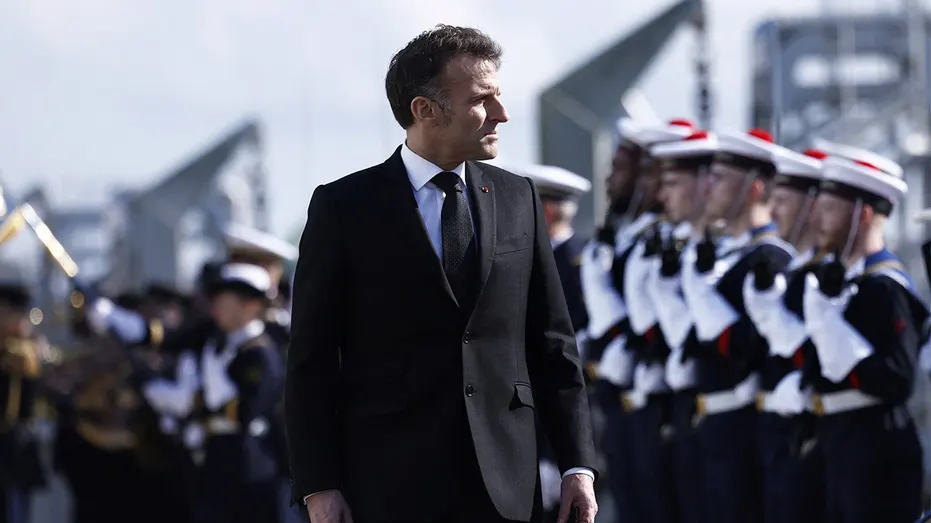
The growing participation in this French-led initiative coincides with a concerted effort by European governments to strengthen their military capabilities. This urgency is partly fueled by concerns that Russia’s aggression might extend beyond Ukraine and potentially threaten NATO territories. For French President Emmanuel Macron, this development represents another step towards positioning France as a central player in a more self-reliant European security framework, even as NATO allies collectively increase their defense spending and military cooperation.
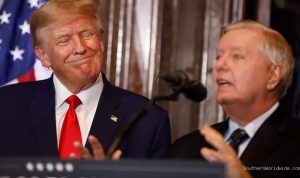
This strategic shift also reflects the persistent warnings issued by former President Donald Trump regarding the disproportionate share of Europe’s defense costs borne by the United States. Trump had previously stated that the U.S. would not continue to defend allies who failed to meet their defense spending commitments.
Read more : NFL Legend Raymond Berry Dies at 93
Trump consistently argued that European nations had become overly dependent on American military power while neglecting to invest adequately in their own defense. This pressure led to a significant commitment at NATO’s summit in The Hague in 2026, where alliance members agreed to a new target of spending 5% of their Gross Domestic Product (GDP) on defense and related investments by 2035. This represents a substantial increase from NATO’s long-standing benchmark of 2% of GDP.
France has made it clear that there are no plans to permanently station nuclear weapons in the countries participating in this initiative. Furthermore, France retains exclusive authority over any decisions concerning its nuclear arsenal. Instead, the participating nations will actively engage in discussions, planning sessions, and exercises related to French nuclear deterrence.
Through this initiative, France aims to signal that the security of its European partners is increasingly intertwined with its own. President Macron has also indicated that participating countries could have the opportunity to temporarily host French strategic air forces as part of this collaborative effort. Macron has been increasingly vocal in advocating for Europe to assume greater responsibility for its own security. As the sole nuclear-armed country within the European Union, France, under Macron’s leadership, believes its nuclear deterrent should play a more prominent role in safeguarding the continent, especially as European nations enhance their military spending and defense cooperation.
This development has drawn reactions from Russia, which has previously warned Macron against making nuclear threats. Russia has referred to Macron with the nickname “Micron” while expressing its stance on the matter.
France’s journey towards an independent nuclear deterrent began during the Cold War under President Charles de Gaulle. The nation conducted its first nuclear test in 1960, developing its own arsenal as a strategic move to ensure it would never be solely reliant on Washington for its national security.
However, the exact nature of France’s commitments under this initiative remains a subject of discussion. For many decades, the United States has served as Europe’s ultimate nuclear backstop. The U.S. maintains nuclear weapons in several NATO countries, including Germany, Belgium, and the Netherlands, as part of the alliance’s overall deterrence strategy.
France’s proposal is framed differently, aiming to strengthen deterrence by making Russia consider the possibility that threats against European allies could impact French security interests. This approach does not involve offering a formal nuclear guarantee in the same way as the U.S. commitment.
This initiative underscores a growing trend among some European governments to bolster regional defense arrangements. This is occurring even as the United States continues to be the dominant military power and the primary nuclear guarantor within NATO. The situation also highlights the complex relationship between former President Trump and President Macron, a dynamic characterized by both cooperation and notable public disagreements.
In March, Trump offered a rating of “8 out of 10” for Macron as an ally, particularly in the context of French support for a U.S.-led initiative to secure the Strait of Hormuz. Trump commented that while not perfect, “it’s France,” and that “We don’t expect perfect.”
Concurrently, Macron has been a strong proponent of Europe taking more ownership of its defense and has openly diverged from Washington on various foreign policy issues, including criticisms of U.S. military actions in the Middle East. These ongoing tensions reflect a broader challenge confronting NATO: the effort by European governments to enhance their own military capabilities while still relying significantly on the United States for a substantial portion of the alliance’s military strength and nuclear deterrence.