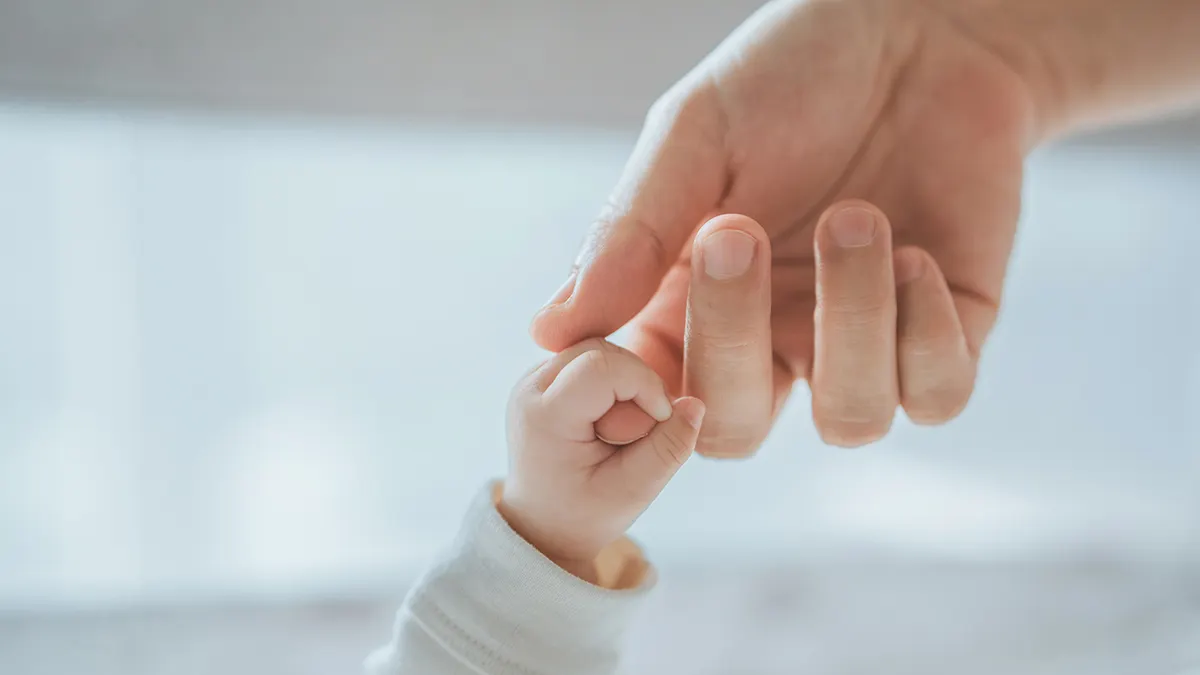
SouthernWorldwide.com – American culture has perpetuated a significant falsehood regarding motherhood, presenting abortion as the singular and optimal solution for women facing unplanned pregnancies. Instead of fostering an environment that supports and empowers women to embrace motherhood, society has led them to believe that abortion offers a simple and immediate resolution to their challenges.
However, this narrative overlooks the profound joy and fulfillment that motherhood can bring, a sentiment often celebrated on Mother’s Day. The author, a mother of three, expresses deep empathy for women struggling with financial difficulties or the immense pressure of single parenthood. Her heart particularly aches for those who have sought abortions believing it to be the answer to their problems.
Organizations like Human Coalition and Planned Parenthood observe a similar profile in women seeking abortions. Crucially, less than a quarter of these women report feeling confident in their decision to abort. A significant majority, in fact, would prefer to parent if their circumstances were more supportive.
This statistic underscores a critical point: many women approaching abortion facilities are not entirely certain about their choice. They are often overwhelmed and feel they have exhausted all other possibilities. The typical woman seeking an abortion likely understands the value of motherhood, especially if she already has other children. Her current pregnancy, therefore, may not be a problem requiring abortion, but rather a situation where she needs solutions to overcome the obstacles preventing her from choosing to carry her pregnancy to term.
By addressing and removing these barriers, society can demonstrate to women that motherhood is an attainable and viable path.
Housing Instability
One of the most significant factors influencing a mother’s decision is her housing situation. The story of “Maria” exemplifies this challenge. Having recently lost her home, she was pregnant and evicted from her apartment. This instability forced her to send her teenage son to live with his grandmother in another state.
During the early stages of her pregnancy, Maria moved between motels, her car, and emergency shelters. With the baby’s father absent, she bore the sole responsibility of providing for herself and her unborn child. This precarious living situation adds immense stress to an already challenging time.
A 2023 study by the Guttmacher Institute revealed that three-quarters of women seeking abortions have incomes below 200% of the federal poverty line. Behind these statistics are women like Maria, facing overcrowded living conditions, the threat of eviction, and frequent relocation. These circumstances highlight the critical need for support systems that offer housing solutions and foster family stability.
Unfortunately, many women in such situations are more aware of abortion providers like Planned Parenthood than of organizations that can offer tangible assistance with housing. This disparity in awareness means that potential life-saving support is often overlooked.
Childcare & Employment Challenges
Compounding housing concerns are the difficulties mothers face in securing stable employment and reliable childcare. For single mothers, workplace flexibility can be a game-changer.
A 2026 study led by Stanford University indicated that when both partners work from home at least one day a week, realized fertility rates were 14% higher compared to couples where neither partner had remote work options. Researchers estimate that remote work could contribute to approximately 8.1% of U.S. births annually, equating to around 291,000 babies.
The implication is clear: when mothers have greater control over where and when they work, they are more inclined to have children and a larger family. This flexibility not only supports their careers but also positively influences their reproductive choices.
The author shares a personal reflection on the benefits of flexible work hours, which allows her to be actively involved in her children’s daily lives, from school drop-offs to pick-ups. Beyond workplace flexibility, her family has benefited from a strong community network. A young woman from their church provides childcare twice a week, and homeschooled girls in their parish offer assistance, filling gaps in caregiving. Her mother-in-law also lives nearby and provides support when needed. These forms of assistance did not require government subsidies but rather a collaborative “village” approach that was once common and is now being actively rebuilt.
The author empathizes with mothers struggling to find dependable childcare and those torn between being present for their children and meeting financial obligations. This tension is a very real challenge that requires genuine solutions, not a societal response that merely offers abortion referrals under the guise of compassion.
Gaps in Healthcare Access
Every mother deserves access to compassionate and life-affirming healthcare.
Women residing in rural areas often face significant challenges accessing healthcare services. These women are reported to experience higher rates of pregnancy-related complications compared to national averages. This lack of access can be particularly detrimental during pregnancy.
Fortunately, pro-life organizations are actively working to extend their services to more mothers in these underserved communities. In the digital age, these organizations can effectively connect with and support mothers, delivering the care they deserve, even in remote locations.
When a woman contacts Human Coalition, she is immediately connected with a nurse. This nurse provides essential care and guidance during moments of panic and uncertainty. Through these conversations, women can ask questions, voice their concerns, and receive encouragement throughout their pregnancy journey.
For decades, women seeking abortions have been misled by the notion that a procedure or pill will simplify their lives and improve their circumstances. The reality is that abortion inflicts profound pain—mentally, physically, and emotionally—while failing to address the underlying issues that lead women to believe it is their only recourse.
Baca juga di sini: Networks Furious Over Court Ruling Ending Racial Gerrymandering
To truly empower women to choose life, it is essential to meet them where they are and walk alongside them, offering support and resources as they embrace one of the most significant roles: Mom.