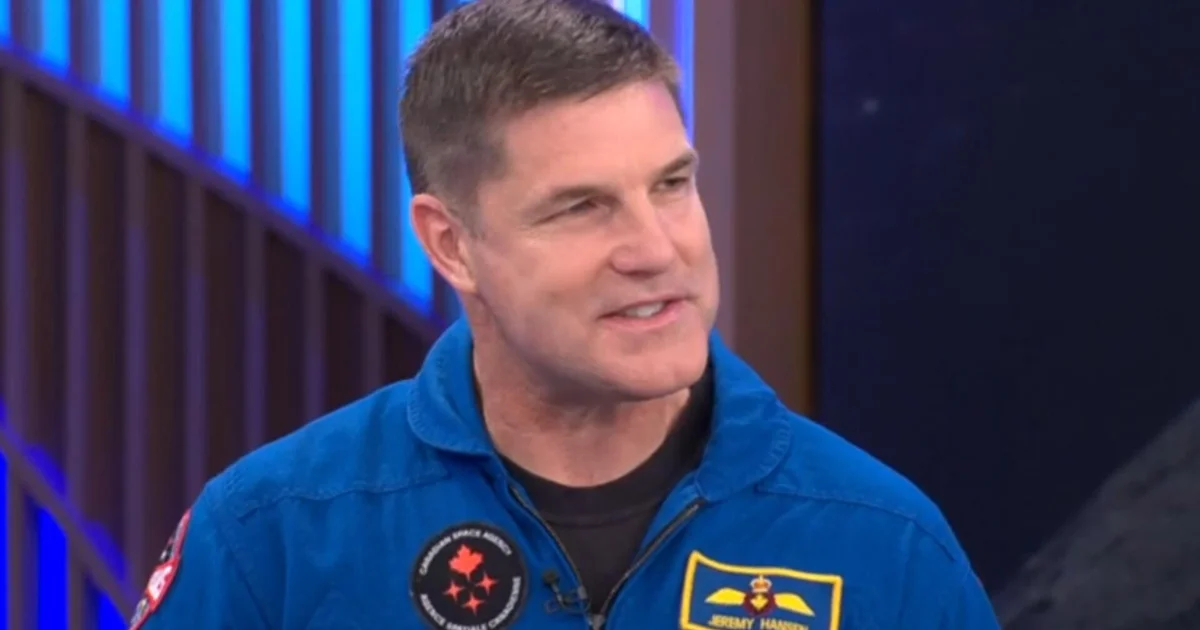
SouthernWorldwide.com – When asked what he missed about gravity during his time in space, Artemis astronaut Jeremy Hansen had a surprisingly simple answer: “Nothing.” Hansen, a mission specialist for the Artemis II mission, shared this sentiment with a laugh, highlighting that while microgravity certainly has its challenges, the experience itself is profoundly rewarding.
Hansen’s candid response came during a discussion about his upcoming historic mission, which will see him become the first Canadian to travel to the Moon. The experience of living and working in space, even with its unique demands, appears to outweigh any nostalgia for Earth’s gravitational pull.
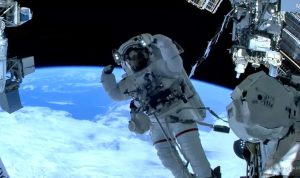
Microgravity, the state of apparent weightlessness experienced in orbit, presents a unique set of challenges. Astronauts must adapt to a fluid environment where objects float freely, and their own bodies react differently without the constant force of gravity. Tasks that are simple on Earth, like eating, sleeping, or even moving around, require specialized techniques and equipment.
For instance, maintaining physical health is a significant concern for astronauts. Without gravity, muscles can atrophy, and bone density can decrease. To counteract these effects, astronauts adhere to rigorous exercise regimens, often spending several hours a day on specialized equipment designed to simulate resistance training and cardiovascular workouts.
The psychological aspect of space travel is also considerable. Astronauts are confined to a relatively small space for extended periods, far from family and friends. Maintaining morale and mental well-being is crucial, and space agencies invest heavily in psychological support and recreational activities for the crew.
Despite these hurdles, Hansen’s perspective suggests a deep appreciation for the opportunity to explore beyond Earth’s atmosphere. The Artemis program aims to return humans to the Moon and eventually establish a sustainable presence, paving the way for future missions to Mars. This endeavor represents a monumental leap in human exploration, pushing the boundaries of science and technology.
Hansen’s role as a mission specialist means he will be instrumental in operating the spacecraft’s systems and conducting scientific experiments. His background as a pilot and his extensive training equip him with the skills necessary to navigate the complexities of spaceflight.
The Artemis II mission is a critical step in NASA’s broader lunar exploration goals. It will be the first crewed mission to travel to the Moon since the Apollo program concluded over 50 years ago. The mission is designed to test critical systems, including life support and navigation, in the lunar environment with a human crew aboard.
The success of Artemis II will be a testament to years of planning, development, and training by a dedicated team of scientists, engineers, and astronauts. It signifies a renewed commitment to human space exploration and the pursuit of scientific knowledge.
Hansen’s enthusiasm for the mission, coupled with his grounded perspective on gravity, offers a compelling glimpse into the mindset of those who venture into the cosmos. His willingness to embrace the challenges of microgravity underscores a profound dedication to the advancement of space exploration.
The mission also carries significant implications for international collaboration in space. Canada’s participation in the Artemis program highlights the importance of global partnerships in tackling ambitious scientific and exploratory goals. Hansen’s presence on the crew represents a significant contribution from the Canadian Space Agency.
As the Artemis II mission draws closer, the world watches with anticipation. Jeremy Hansen’s journey to the Moon is not just a personal achievement but a milestone for all of humanity, symbolizing our enduring drive to explore the unknown and expand our understanding of the universe.
His remark about not missing gravity is more than just a witty quip; it speaks to the transformative nature of space travel. The unique perspective gained from seeing Earth from orbit, the camaraderie among the crew, and the sheer privilege of participating in such a groundbreaking mission are experiences that likely eclipse the everyday comfort of gravity.
The Artemis program, named after the twin sister of Apollo and the goddess of the Moon, represents a new era of lunar exploration. It is designed to be sustainable, allowing for long-term scientific research and the development of technologies needed for future human missions to Mars.
Jeremy Hansen’s journey is a crucial part of this vision. His role will involve a wide range of responsibilities, from overseeing spacecraft operations to assisting with scientific investigations. The success of the mission will depend on the seamless collaboration and expertise of the entire crew.
The anticipation surrounding Artemis II is palpable, not only for the scientific advancements it promises but also for the inspiration it offers. It reignites the spirit of exploration and reminds us of what can be achieved when humans dare to reach for the stars.
Read more : 40 Species, Including Snowy Owl and Cheetah, Receive International Protection
Hansen’s simple yet profound statement about gravity serves as a powerful reminder that sometimes, the greatest rewards come from embracing the unfamiliar and finding joy in the extraordinary, even when it means leaving the familiar comforts of home behind.