SouthernWorldwide.com – After years of debate on how Congress could assist leaders in college athletics in addressing the ongoing issues at the forefront of the current chaos, a compromise may finally be nearing the Senate floor.
The ongoing discussion surrounding how to resolve the problems that have emerged with the new era of college sports has indeed led to considerable disarray.
Whether it’s the transfer portal, Name, Image, and Likeness (NIL) deals, the potential reduction of certain athletic programs, or the continuous discussions about athletic departments securing sufficient funds to remain sustainable in this new landscape, the prevailing sentiment points towards Congressional intervention.
While this is undoubtedly easier said than done, recent developments suggest that the SCORE Act could potentially advance to the House floor next week, marking at least a step in the right direction.
The significant challenge, however, lies in the highly improbable scenario of Republicans and Democrats reaching an agreement on an issue of this magnitude if it were to proceed to the Senate floor.
In the interim, President Trump has signed an executive order concerning college athletics, with a particular focus on the transfer portal, eligibility rules (allowing five years to play five seasons), and the current structure of NIL, among other key points.
Despite the President’s executive order, there is no guarantee of its adherence, and the President himself has acknowledged that it would likely face legal challenges in court.
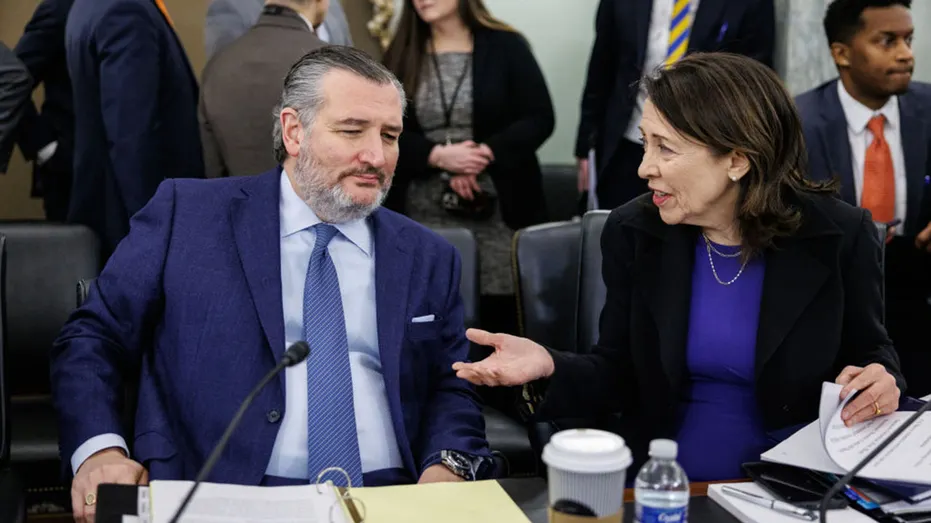
However, over the past few months, Senators Ted Cruz (R-Texas) and Maria Cantwell (D-Washington) have been collaborating on a bipartisan bill intended for introduction on the Senate floor, which could possess a genuine chance of overcoming the existing obstacles from both political parties.
What might this legislation ultimately entail? The definitive wording of the bill is expected to be unveiled sometime next week.
While the specifics are still under development, sources indicate that this proposed legislation could unite both sides of the aisle if consensus can be reached on specific language concerning the permissible number of transfers without penalty, approaches to navigate the contentious employment status of college athletes, the structure of NIL, and methods to prevent athletes from circumventing NCAA eligibility guidelines.
In essence, if the government is to provide assistance to college athletics, this bipartisan legislative approach appears to be the most viable path forward. The establishment of regulations through this upcoming legislation would represent a victory for both parties, particularly if it can contribute to resolving the overarching revenue challenges currently afflicting college athletics.
Furthermore, according to sources familiar with the impending bipartisan legislation, a governing body is slated to be established to offer clear guidance on rules pertaining to potential changes, with college administrators reportedly in agreement on enforcement mechanisms.
What specific types of rules are being considered for this legislation?
This would encompass third-party NIL deals, which are currently a subject of considerable debate across college athletics, as well as the actual enforcement of the revenue-sharing cap that was approved through the House settlement. Additionally, this legislation could offer protections to athletic leaders concerning state laws related to NIL, which have previously led to lawsuits and numerous disagreements.
Essentially, Senators Ted Cruz and Maria Cantwell, with the input and guidance of the presidential committee tasked with the preservation of college athletics, have developed a bill that addresses the current concerns raised by athletic directors and commissioners, thereby increasing its likelihood of passage through Congress.
Certainly, the process will not be without its difficulties, and there will inevitably be opposition, as any significant political endeavor typically faces pushback.
However, the current situation has reached a critical juncture where time is of the essence for congressional leaders aiming to enact substantial legislation that can effectively address the prevailing problems. With the midterm elections rapidly approaching and a congressional recess on the horizon, the window for a bill to reach the Senate floor is narrowing.
Will both parties be able to find common ground on legislation that will genuinely benefit college athletics?
Read more : Brewers vs. Twins betting preview: Why Joe Ryan is the smart pick for Friday's game
The answer is imminent.