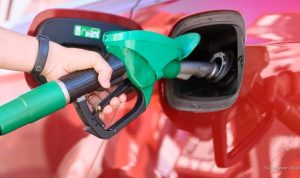
SouthernWorldwide.com – With rising gas prices and increasing costs for both new and used vehicles, car buyers are facing significant financial challenges.
The cost of fuel has surged due to geopolitical factors, while sticker prices for automobiles are also causing sticker shock for many Americans. In March, the average price for a new car neared $50,000, a 3.5% increase from March 2025, according to Kelly Blue Book. This also represents a substantial 30% jump from 2019 prices.
The market for used cars offers little respite. The average cost of a used vehicle stood at $25,390 in March, as reported by Kelly Blue Book.
Two primary reasons are behind the escalating car prices. Persistent high inflation, which reached 3.8% in April—its highest point in nearly three years—is inflating the costs of various goods and services. Additionally, consumers are increasingly opting for larger, more expensive vehicles.
For a significant portion of the population, affording a new vehicle priced at $50,000 is simply not feasible. It is crucial to carefully consider your monthly budget when exploring financing options for a new car.
The average interest rate for auto loans is currently at 7%. To manage monthly payments, some buyers are extending their loan terms. Data from Edmunds indicates that one in four Americans are financing their new vehicle purchases over an 84-month period, which equates to seven years.
“People are saying, ‘I want a car, it’s expensive, if I stretch out the payments, then I can afford it monthly,'” commented CBS News business analyst Jill Schlesinger.
In the first quarter of 2026, the average monthly payment for a new vehicle soared to $773, not including auto insurance costs, according to Edmunds. Schlesinger further noted, “We have plenty of people who are paying $1,000 a month for their car payment.”
Do the Math
Schlesinger suggests that individuals who cannot manage a five-year loan might be considering a vehicle that is too expensive for their financial capacity.
Given the high cost of cars, some Americans are contemplating repairing their older vehicles. While this can be a sensible alternative in certain situations, auto experts advise against over-investing in aging cars.
A general guideline is to avoid spending more than half of a car’s current value on repairs or upgrades. Schlesinger explained, “Let’s say your car is worth $8,000. You’re at the end of the life of the car. Don’t be paying $5,000 to fix the car.” She added, “At some point in the life cycle of the car, it’s better to actually go into a brand new car, with a new warranty and then you’ll have some safeguards.”
Leasing versus buying is another important decision for consumers aiming to save money at the dealership. Those who prefer to drive the latest models might be drawn to leasing a brand-new car. However, it’s essential to remember that at the end of a lease term, you do not own the vehicle. In contrast, “at the end of a car loan, you own the car,” Schlesinger stated.
Negotiating Tactics
Schlesinger highlighted a key strategy for consumers to gain leverage when negotiating with sellers. Being flexible and open to considering multiple car brands and dealerships is crucial. Thorough online research before visiting a dealership is also highly recommended.
However, the most potent bargaining tool available to consumers is the willingness to walk away from a deal. “That is your gift. If you can walk away, you will be able to negotiate a better deal,” Schlesinger advised.
Read more : Tiger Woods Ends Long Silence with Patriotic Memorial Day Message
She further encouraged shoppers to avoid becoming fixated on a single dealership and to actively shop around. “The more info you have, the better,” she concluded.