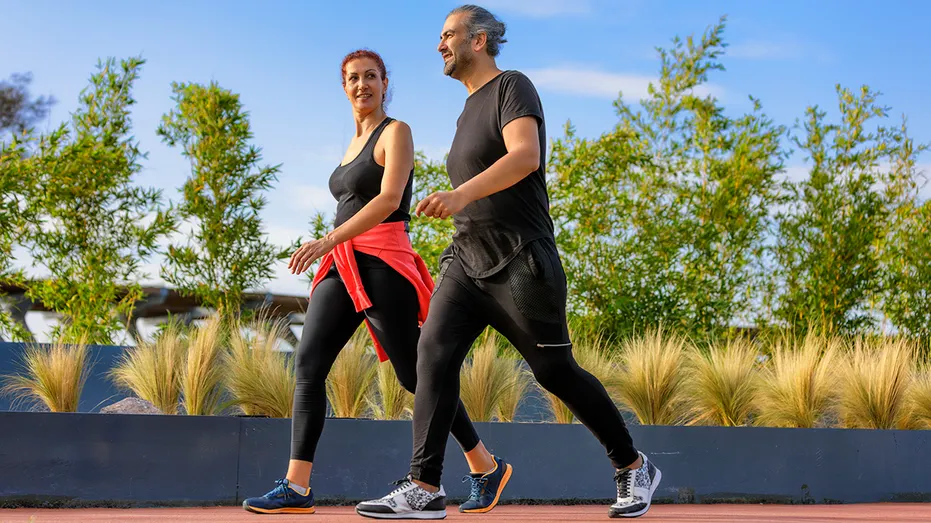
SouthernWorldwide.com – Walking is a fundamental activity that offers significant health benefits, yet many people unknowingly make common mistakes that can hinder their progress and even lead to injury. According to Dr. Milica McDowell, author of the book “Walk,” these errors can undermine the positive effects of this accessible form of exercise.
Dr. McDowell highlights that walking is crucial for overall wellness, impacting everything from gut health to mental well-being and hormone balance. Despite its profound benefits, she notes a concerning decline in walking activity since the pandemic.
She emphasizes that walking is not just about covering distance; it’s about how you walk. Correcting common missteps can maximize the advantages and ensure a safer, more effective exercise routine.
One of the most prevalent mistakes is walking while engrossed in a smartphone. Dr. McDowell strongly advises against this, labeling it “really dangerous.” Distraction significantly increases the risk of accidents, such as tripping, falling into hazards, or colliding with others.
Beyond the immediate safety concerns, walking while looking down at a phone negatively affects posture. This “top-down” impact can exacerbate or cause neck, back, and shoulder pain, especially for individuals already experiencing such issues.
Another critical error is wearing the wrong footwear. Dr. McDowell stresses the importance of shoes specifically designed for walking. These shoes should provide adequate support for the feet, promote healthy alignment, and protect the musculoskeletal system.
The ideal walking shoe, according to Dr. McDowell, should mimic the natural shape of a foot, featuring a wide toe box that allows toes to spread freely. This promotes better muscle activation in the foot and contributes to a healthier walking gait.
She points out that a surprising number of adults, over 60%, wear shoes that are not the correct size, leading to improper support and potential problems. She recommends professional measurement to ensure the best fit.
Furthermore, relying solely on walking without incorporating other forms of exercise can be detrimental. Dr. McDowell explains that while walking engages key muscles for stability and mobility, a balanced fitness routine is essential.
Integrating strength training and diverse movements helps prevent overuse injuries, improves overall balance, and builds comprehensive fitness. This balanced approach contributes to a robust “health stack,” which also includes adequate hydration, nutrition, and sleep.
Activities like weightlifting, dancing, or playing sports can complement walking, creating a more well-rounded fitness regimen. These complementary activities are vital for long-term health and injury prevention.
The speed of walking is also a factor that many overlook. Dr. McDowell identifies walking speed as the “sixth vital sign,” alongside blood pressure, heart rate, and body temperature. A decline in walking speed can be an early indicator of underlying health issues, potentially appearing years before symptoms manifest.
While a typical walking pace is around 90 to 100 steps per minute (approximately three miles per hour), Dr. McDowell suggests increasing speed to achieve greater benefits. A brisk walk of 120 to 130 steps per minute (three and a half to four miles per hour) can lead to increased calorie expenditure, particularly beneficial for those on a weight-loss journey.
Consistency is paramount in any exercise routine, and walking is no exception. Dr. McDowell emphasizes that daily walks yield far greater rewards than sporadic activity. She likens walking to basic hygiene, like brushing teeth—it should be a regular, integrated part of daily life.
She debunks the popular “10,000 steps per day” benchmark as a marketing myth. Instead, she advises individuals to find a step count that suits their personal fitness level, suggesting a range of 5,500 to 7,500 steps daily as a more realistic and achievable goal for many.
Ultimately, Dr. McDowell stresses the importance of “efficiency” in walking. An efficient walker moves gracefully, conserves energy, and maintains balance regardless of age, weight, or height. This focus on efficiency ensures that every step contributes positively to one’s health.
She notes that walking is a “pinnacle activity” in the broader wellness movement, which increasingly values consistent, less intense activities for their profound physical and mental health benefits. These “movement snacks” throughout the day, or longer walks when time allows, can significantly contribute to overall well-being.
Walking can also be a social activity, enhancing its benefits. Dr. McDowell suggests walking with friends or loved ones, which can be particularly valuable for seniors. This combination of physical activity and social interaction can combat loneliness, improve balance, and reduce the risk of falls.
Read more : Stocks Mixed Amid Investor Indifference to Renewed Iran Conflict
By avoiding these common pitfalls and focusing on efficient, consistent, and balanced walking practices, individuals can truly harness the extensive health advantages this simple yet powerful activity offers.