SouthernWorldwide.com – Mayor Zohran Mamdani’s ambitious plan to launch city-owned grocery stores in New York City is facing significant backlash from economists and local business owners.
Critics argue that the initiative, a cornerstone of Mamdani’s campaign to reduce food costs, could ultimately harm small grocers and place a substantial financial burden on taxpayers.
Economists like Adam Lehodey of the Manhattan Institute suggest that more effective solutions for food affordability lie in collaborations with the private sector and leveraging existing aid programs, rather than the city directly operating retail outlets.
NYC VOTERS FLOCK TO SOCIALIST-STYLE FREEBIES AS MAMDANI PUSHES RENT FREEZES, CITY-RUN STORES
The first of these proposed city-backed supermarkets is slated to open in 2027 in Hunts Point, a Bronx neighborhood. This store will be part of The Peninsula redevelopment project, which is transforming the former Spofford Juvenile Detention Facility.
The broader redevelopment plan is comprehensive, encompassing 740 affordable housing units, over 50,000 square feet of public green space, 30,000 square feet for light industrial use, and more than 50,000 square feet dedicated to community facilities. A significant component of this plan is a 20,000-square-foot grocery market designed to serve the South Bronx area.
MAMDANI’S PUBLIC GROCERY STORES MAY HAVE DEVASTATING EFFECTS ON CITY’S FOOD SUPPLY
Lehodey also raised concerns that the city-funded stores could create an uneven playing field, disadvantaging independent neighborhood grocers who do not benefit from public subsidies.
Read more : Omar Faces Increased Scrutiny Following Fraud Leader's 41-Year Sentence
“The prices might be slightly lower, but this comes at the expense of other businesses that are trying to operate sustainably,” he explained.
He further contended that by subsidizing these ventures, the city is essentially forfeiting valuable public land and potential revenue streams.
MAMDANI’S WALL STREET COURTSHIP SPARKS CRITICISM OF ANTI-BILLIONAIRE AGENDA
“That land has inherent value,” Lehodey stated. “By giving it away for free, taxpayers are once again losing money, and we are forfeiting revenue that could have been allocated to other essential services.”
A second city-supported grocery market is scheduled for completion next year at La Marqueta, a public market space located in East Harlem. The city has allocated approximately $30 million for the construction of this facility.
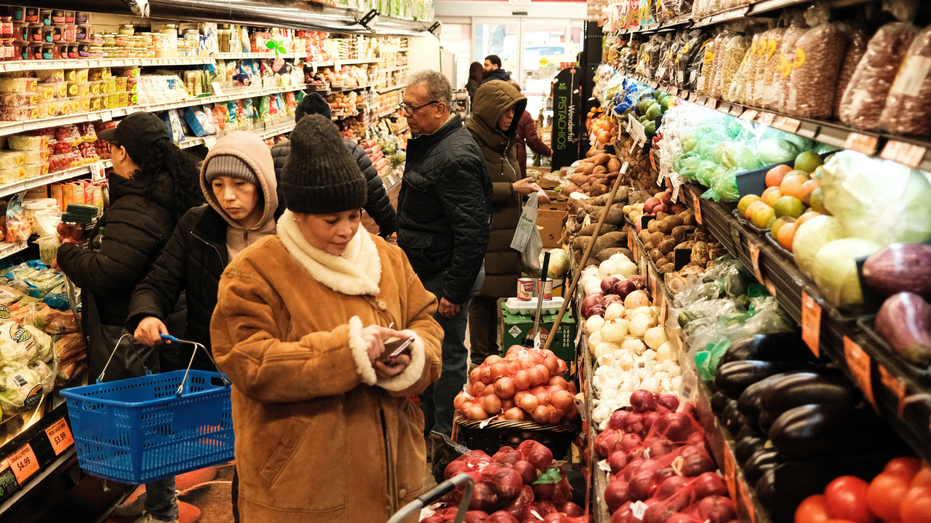
The area already boasts a diverse range of food retailers, including large chains like Whole Foods and Lidl, alongside smaller neighborhood markets and bodegas. The vicinity is also well-connected by public transportation, with numerous subway and bus lines providing residents with convenient access to various grocery shopping options.
Some local store owners have expressed apprehension that the new city-backed market could draw customers away from their businesses, further squeezing already tight profit margins.
Despite the existing variety of grocery options nearby, proprietors of local stores worry that the city’s new market, buoyed by public funding, could offer lower prices and thus undermine their businesses.
“It will undoubtedly have an impact on this store,” said Sarah Kang, the manager of a CTown Supermarkets branch situated about a 35-minute walk south, or a single subway stop, from La Marqueta.
“My hope is that we don’t lose customers,” Kang added.
Joel Martinez, a manager at a supermarket located on 128th Street and Frederick Douglass Boulevard, approximately a 30-minute walk north of La Marqueta, suggested that the extent of the impact might be contingent on the proximity of the proposed site to existing stores.
FROM FREE BUSES TO CITY-OWNED GROCERY STORES, HERE ARE MAMDANI’S KEY ECONOMIC PROMISES
Bodegas and small grocery stores are integral to the fabric of New York City neighborhoods, frequently serving as the primary source of food for local residents.
Similar concepts involving government-owned and operated grocery stores and markets have been considered in other cities, including Boston.
Atlanta appears to have been an early adopter of this model, having opened a city-backed grocery store with the objective of enhancing food accessibility in underserved communities.