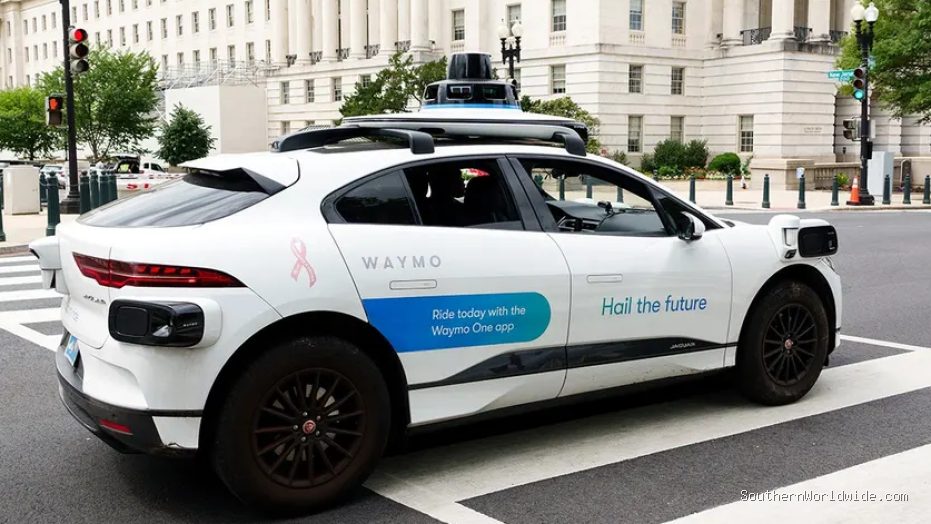
SouthernWorldwide.com – In a significant development for autonomous vehicle technology, Waymo, Google’s self-driving car company, has initiated a voluntary recall of a substantial portion of its robotaxi fleet.
The recall encompasses 3,871 vehicles equipped with Waymo’s 5th Generation Automated Driving System. This action was prompted by a potential safety concern related to the vehicles’ interaction with construction zones.
According to information from the National Highway Traffic Safety Administration, the software governing Waymo’s autonomous driving system may, under certain circumstances, allow a vehicle to enter a closed freeway construction zone and continue its operation.
This situation highlights the ongoing challenges and complexities in ensuring the absolute safety of autonomous systems, particularly in dynamic and unpredictable environments like active construction sites.
Meanwhile, the global landscape of artificial intelligence is witnessing a significant shift, with China making substantial strides in developing its own AI capabilities. OpenAI, a leading AI research laboratory, recently unveiled its first custom-built inference chip, internally codenamed “Jalapeño” and developed in collaboration with Broadcom.
While this chip may not be directly accessible to the general public in the United States, its development has not gone unnoticed by Beijing. This announcement signifies a critical juncture in the technological competition between the U.S. and China, extending beyond software and chatbots into the fundamental infrastructure that will underpin future economic, military, and technological power.
The race for AI dominance is increasingly focusing on hardware and the underlying systems that power these advanced technologies. Control over this infrastructure is becoming a key determinant of global influence in the 21st century.
In the realm of education, lawmakers are actively engaging with the implications of artificial intelligence in the classroom. The Senate is currently deliberating on how students and educators might effectively and responsibly integrate AI tools into the learning process.
The inevitability of AI’s impact on education is widely acknowledged. Delaware Secretary of Education Cindy Marten emphasized during a recent Senate hearing that the critical question is not *if* AI will affect education, but rather *how* its implementation will be shaped thoughtfully and responsibly.
This discussion underscores the need for proactive strategies and policies to harness the benefits of AI in education while mitigating potential risks and ensuring equitable access and ethical use.
In other technology news, Meta Wearables Vice President Alex Himel recently discussed the newly launched Meta Smart Glasses. These glasses, priced at an accessible $299, boast integrated AI capabilities and were developed in collaboration with Kylie Jenner for a specific design element.
The introduction of smart glasses with advanced AI features points towards a growing trend of integrating artificial intelligence into everyday wearable devices, aiming to enhance user experience and functionality.
Microsoft CEO Satya Nadella has issued a notable warning regarding the ongoing AI race among major tech companies. He stressed the importance of ensuring that the advancement of this emerging technology is conducted in a manner that is palatable and acceptable to the public.
Nadella’s caution suggests a recognition of the societal implications of rapid AI development and the need for a balanced approach that considers public perception and trust.
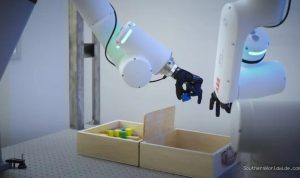
The field of robotics is also seeing significant advancements driven by AI. NVIDIA, a company renowned for its contributions to AI computing and robotics systems, has introduced NVIDIA Halos for Robotics. This new offering is described as the industry’s first comprehensive, full-stack safety system specifically designed for robotics and physical AI applications.
The development of robust safety systems is crucial as humanoid robots and AI-powered machines become increasingly integrated into various workplaces and public spaces. Ensuring their safe and reliable operation is paramount.