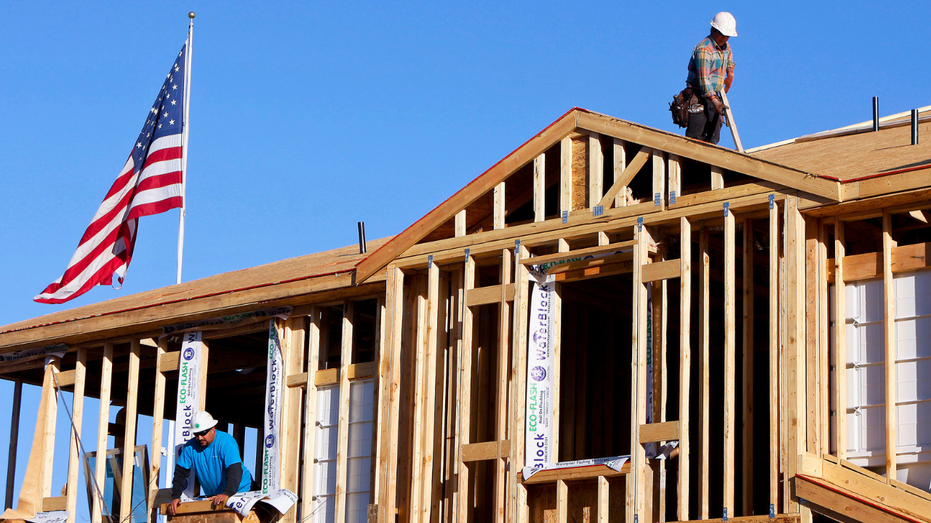
SouthernWorldwide.com – Texas, Florida, and other rapidly growing red states are attracting a significant influx of residents not solely due to their lower tax rates and favorable climate, but also because they have adopted an anti-regulation housing strategy that many high-cost states have yet to embrace.
As people and businesses continue to move into these southern states, the increasing population is putting pressure on the ability of these regions to adequately expand their housing stock and infrastructure. Southern states are proactively addressing this challenge by reducing regulations that can impede the speed of new construction.
Industry leaders in the housing sector indicate that states prioritizing new housing development are better equipped to manage population growth. In contrast, markets that are burdened by stringent zoning laws, prolonged permitting procedures, and other regulatory obstacles are finding it difficult to increase supply and control home prices.
This commitment to fostering new construction has become a significant competitive advantage, according to Jim Tobin, president and CEO of the National Association of Home Builders. This strategy is gaining importance as more Americans relocate from expensive coastal areas to states with lower tax burdens.
While rapid population increases can strain existing infrastructure such as roads, utilities, and public services, housing experts suggest that states which integrate infrastructure investments with housing development efforts are more capable of accommodating new residents without exacerbating housing shortages.
However, rapid growth presents its own set of challenges, particularly when infrastructure development lags behind new housing construction. Tobin noted that a common complaint is that infrastructure does not keep pace with the influx of people or housing growth. States that are ahead of the curve are planning for both critical components, infrastructure and housing, in tandem, which will better prepare them for future growth.
Even states that have prioritized homebuilding are still encountering cost pressures that can inflate home prices. The National Association of Home Builders reports that government regulations constitute approximately 24% of the cost of a typical single-family home, adding nearly $95,000 to the average price of a new house.
The impact of regulations is even more pronounced in the multifamily housing sector. Tobin stated that regulations account for roughly 41% of the cost of a typical apartment or multifamily unit, highlighting the significant role government rules play in determining housing affordability.
These cost implications have captured renewed attention from policymakers in Washington as they seek solutions to boost housing supply and improve pricing. Tobin pointed to a bipartisan housing package progressing through Congress, which aims to incentivize local governments to reduce regulatory barriers to development and implement policies that facilitate the construction of new housing.
This legislative effort comes at a time when housing affordability remains a primary concern for many Americans. Elevated mortgage rates and limited housing inventory continue to make homeownership unattainable for numerous first-time buyers. The issue has also gained political traction in the lead-up to the midterm elections, as voters consistently rank the cost of living among their most pressing economic concerns.
“The solution to the housing crisis in this country is increased supply,” Tobin emphasized. “This bill will undoubtedly help us build more supply affordably.”