SouthernWorldwide.com – Louisiana’s Secretary of State, Nancy Landry, announced on Thursday that the state will suspend its U.S. House primaries for the upcoming May 16 elections. This decision follows the Supreme Court’s ruling that struck down the state’s congressional map.
Landry clarified that while U.S. House races will still appear on voter ballots, any votes cast in these specific contests will not be counted. She stated that this action is a mandatory step taken in light of the Supreme Court’s decision, enabling the Governor to issue an executive order suspending the races.
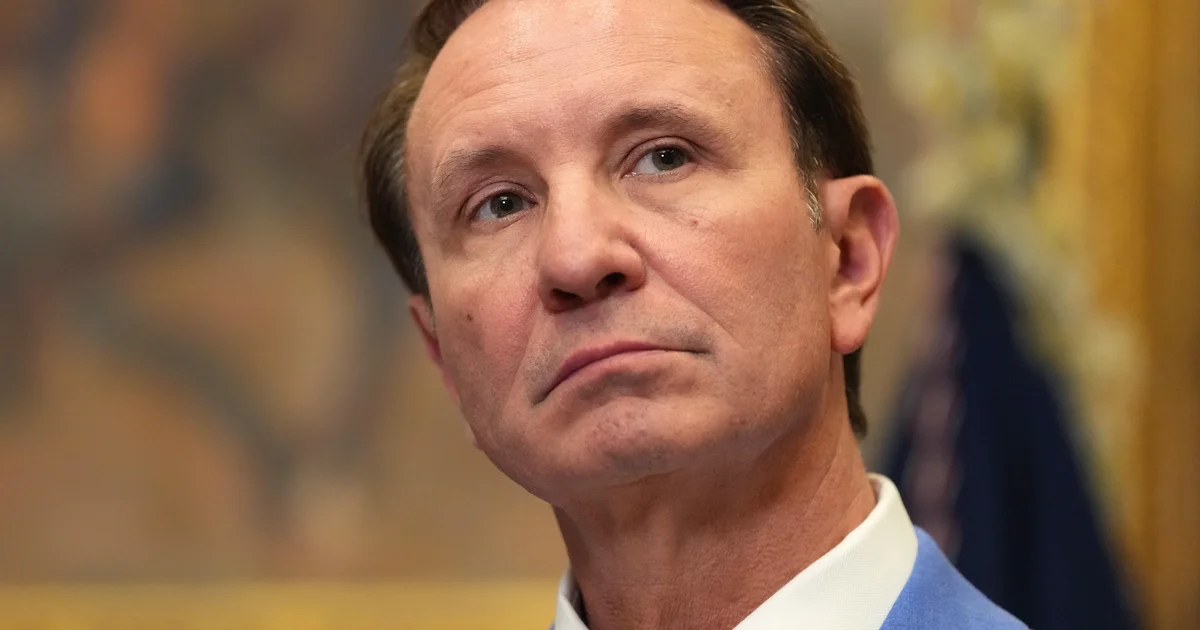
Governor Jeff Landry, who is not related to the Secretary of State, subsequently signed an executive order on Thursday. This order suspends the House primaries until July 15, or until the legislature determines a new timeline. The executive order also urges the Louisiana State Legislature to swiftly draw new congressional maps and schedule elections accordingly.
Other elections, including those for the Senate primaries, are proceeding as originally scheduled. Secretary of State Nancy Landry confirmed that her office will place notices at early voting sites to inform voters about the changes.
Read more: Drug lord writes from US prison about "cruel punishment
The suspension of the House primaries has triggered a series of legal developments. A three-judge federal appeals court panel, which previously heard the case that was appealed to the Supreme Court, issued a brief order suspending the state’s House primaries until new maps are created. Legal experts, as reported by The Associated Press, have described this move as premature.
Furthermore, prominent Democratic election attorney Marc Elias announced that a lawsuit has been filed challenging Secretary of State Landry’s order. This legal action aims to contest the suspension and ensure the primaries proceed as planned.
In addition to Elias’s suit, CBS New Orleans affiliate WWL-TV reported that both Secretary of State Liz Murrill and Governor Landry are facing a federal lawsuit. The suit was filed by Eugene Collins, former President of the NAACP Baton Rouge Branch, and U.S. House candidate Lindsay Garcia. Their objective is to have the House primaries conducted according to the original schedule.
The lawsuit argues that suspending the primaries would disenfranchise voters. It highlights that absentee ballots have already been cast and that the Supreme Court’s ruling did not mandate the cancellation, postponement, or suspension of any election. The plaintiffs contend that the current situation unfairly impacts voters who have already participated in the electoral process.
The timing of this suspension is particularly notable, occurring just days before early voting was scheduled to begin. This abrupt change has created uncertainty and logistical challenges for voters and election officials alike.
The Supreme Court’s decision on Wednesday upheld a lower court’s finding that Louisiana mapmakers had placed too much emphasis on race when redrawing the state’s voting boundaries to comply with Section 2 of the Voting Rights Act. In a 6-3 decision authored by Justice Samuel Alito, the conservative majority of the Supreme Court concluded that adhering to Section 2 could not justify the state’s use of race in redefining its House district lines.
This ruling has broader implications, drawing parallels to recent actions in Florida. Earlier this week, Florida Republicans approved a new congressional map championed by Governor Ron DeSantis, which involved redrawing a district with a Hispanic-minority population in central Florida. State attorneys in Florida have also argued that the Supreme Court’s recent decision renders certain provisions of the state’s Fair Districts Amendment unconstitutional, suggesting a potential ripple effect on redistricting efforts nationwide.
The situation in Louisiana underscores the complex legal and political landscape surrounding redistricting and voting rights in the United States. The suspension of the primaries highlights the immediate impact of judicial rulings on electoral processes and the ongoing debates about fair representation.