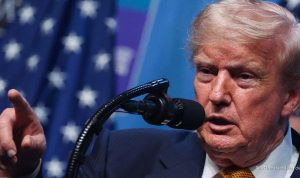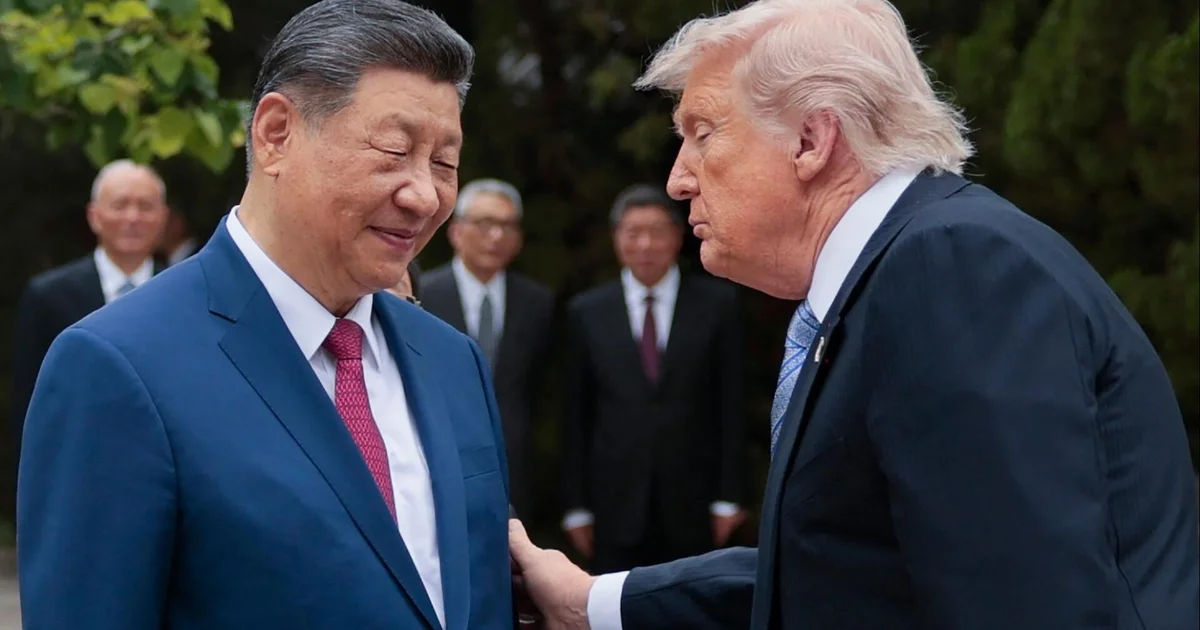
SouthernWorldwide.com – Global markets experienced a notable downturn following the conclusion of President Trump’s summit with Chinese President Xi Jinping, primarily due to a lack of specific details regarding any agreements reached.
Trade was a central theme during the high-profile meeting in Beijing. President Trump declared that the discussions had resulted in “fantastic” deals, generating initial optimism.
However, this positive sentiment did not translate to the U.S. stock market, which saw a decline on Friday. The absence of concrete details about the agreements left investors uncertain about the tangible impact on future trade relations.
Lana Zak’s report captured the varied reactions from across America, highlighting how the outcomes of the summit were being interpreted in different regions of the country.
The summit aimed to address long-standing trade imbalances and tensions between the two economic powerhouses. Both nations have been engaged in a tit-for-tat tariff exchange, impacting various industries and consumer goods.
Analysts noted that while presidential rhetoric can influence market sentiment, the true test lies in the implementation and specifics of any new trade policies.
The lack of a clear, actionable roadmap from the summit led to a reassessment of risk by market participants. This uncertainty contributed to the sell-off observed in equities.
Businesses that rely heavily on international trade, particularly with China, were closely watching for any signs of de-escalation or resolution of existing disputes.
Read more : Thousands of Railroad Workers Strike in New York
The report suggested that the initial positive statements from President Trump were not enough to overcome the market’s demand for quantifiable outcomes.
Economic indicators and corporate earnings reports are also playing a significant role in shaping market behavior, but the summit’s ambiguity added another layer of complexity.
The reaction in the heartland of America, as featured in Zak’s report, provided a ground-level perspective on how such global economic discussions resonate with everyday citizens and local economies.
Discussions often touched upon job creation, manufacturing, and the cost of goods, all of which are directly or indirectly affected by international trade agreements.
The summit’s outcome underscored the delicate balance between diplomatic engagement and the need for concrete policy adjustments in the global economic arena.
Investors will continue to monitor developments closely, seeking clarity on how the discussions at the summit will translate into tangible changes in trade policies and their impact on global commerce.
The market’s initial negative reaction indicates a preference for clear, measurable results over broad statements of intent, especially in the complex realm of international trade negotiations.
Further analysis and reports are expected to provide deeper insights into the potential long-term consequences of the summit and its implications for the global economy.
The interplay between geopolitical events and financial markets remains a critical factor for understanding economic trends and investment strategies.
The report emphasized the importance of detailed agreements that can provide businesses with the certainty needed to plan and invest for the future.
Without specific deal details, the market’s uncertainty is likely to persist, influencing trading decisions and overall economic sentiment.
The focus now shifts to the follow-through from the summit, with all eyes on whether specific actions will be taken to solidify the positive sentiment expressed by President Trump.
The performance of the U.S. stock market serves as an immediate barometer of investor confidence in the outcomes of such high-level diplomatic and economic meetings.
The commentary from individuals in the heartland of America provided a valuable human element to the economic news, connecting global policy to local realities.
This situation highlights the ongoing challenges in navigating complex international trade relationships and the market’s sensitivity to clear communication and actionable outcomes.
The absence of specific deal details from the Trump-Xi summit was the primary driver behind the market’s tumble, signaling a demand for clarity in global trade policy.