SouthernWorldwide.com – As the United States approaches its 250th anniversary, Americans are increasingly appreciating the country’s diverse offerings.
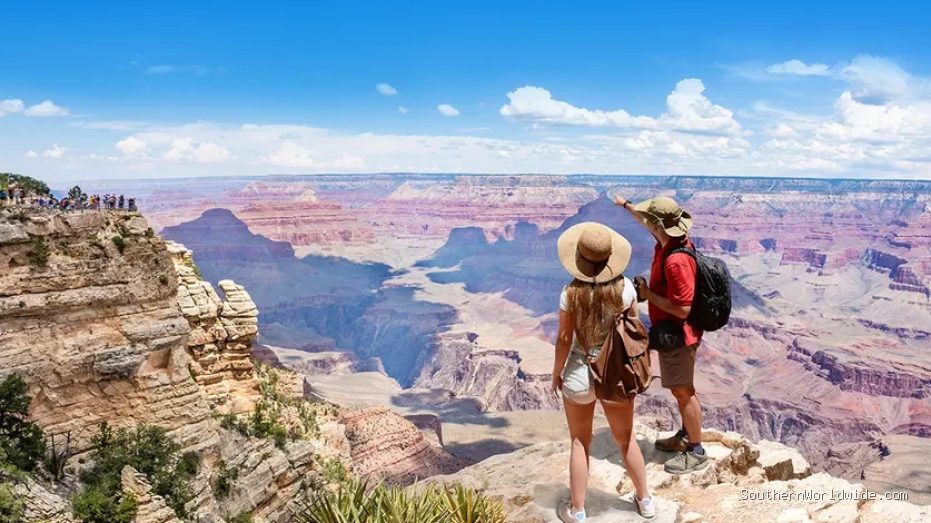
Among these is the extensive natural wilderness accessible to the public. While the nation’s national parks are now popular tourist destinations, experts suggest they also play a crucial role in public health.
The most immediate health advantages stem from physical activity.
HIKERS FACE URGENT GRAND CANYON HEAT WARNING AFTER TEEN’S DEATH ON POPULAR TRAIL
According to guidelines from the Centers for Disease Control and Prevention, consistent physical activity is essential for managing obesity, enhancing sleep quality, and reducing the risk of chronic diseases.
The country’s public lands, including parks, trails, and open spaces, actively encourage outdoor recreation and physical engagement.
A comprehensive review by the Community Preventive Services Task Force (CPSTF) concluded that the development of park, trail, and greenway infrastructure directly leads to increased physical activity within communities.
AMERICA’S LIFESPAN HAS DOUBLED SINCE 1776 — EXPERTS REVEAL WHAT CHANGED
Data indicates that when individuals walk, hike, or cycle in national parks, they actively contribute to lowering blood pressure, strengthening immune function, and decreasing overall mortality rates.
Beyond the physical benefits, national parks are also associated with significant improvements in mental well-being.
Previous studies have shown that direct engagement with nature substantially reduces physiological stress, lowers heart rates, and diminishes the levels of stress hormones like cortisol.
This research further highlights that natural environments enhance attention spans, combat mental fatigue, and improve cognitive performance.
CLICK HERE FOR MORE HEALTH STORIES
Parks also serve as ideal settings for practicing mindfulness and fostering social connections.
Studies suggest that engaging in mindfulness exercises in tranquil outdoor environments can reduce stress and alleviate feelings of loneliness and social isolation.
Furthermore, by preserving cultural and historical resources, parks can foster a commitment to lifelong learning.
TEST YOURSELF WITH OUR LATEST LIFESTYLE QUIZ
Evidence indicates that participating in educational activities and embracing lifelong learning helps maintain brain function, improves memory, and aids in preventing age-related cognitive decline.
The National Park Service, established in 1916, was created with the objective of preserving the nation’s natural and historical resources for the benefit of future generations.
Today, this foundational mission has broadened, with parks now recognized not only for their aesthetic and cultural significance but also for the recreational and physical activity opportunities they provide.