SouthernWorldwide.com – Ford CEO Jim Farley has announced a strategic shift towards making most of the company’s future models more accessible to a wider range of consumers, signaling a significant move in the automotive market.
The announcement came on Friday, coinciding with Ford’s major affordability push, which includes offering employee pricing on nearly all its new vehicles through the Fourth of July holiday.
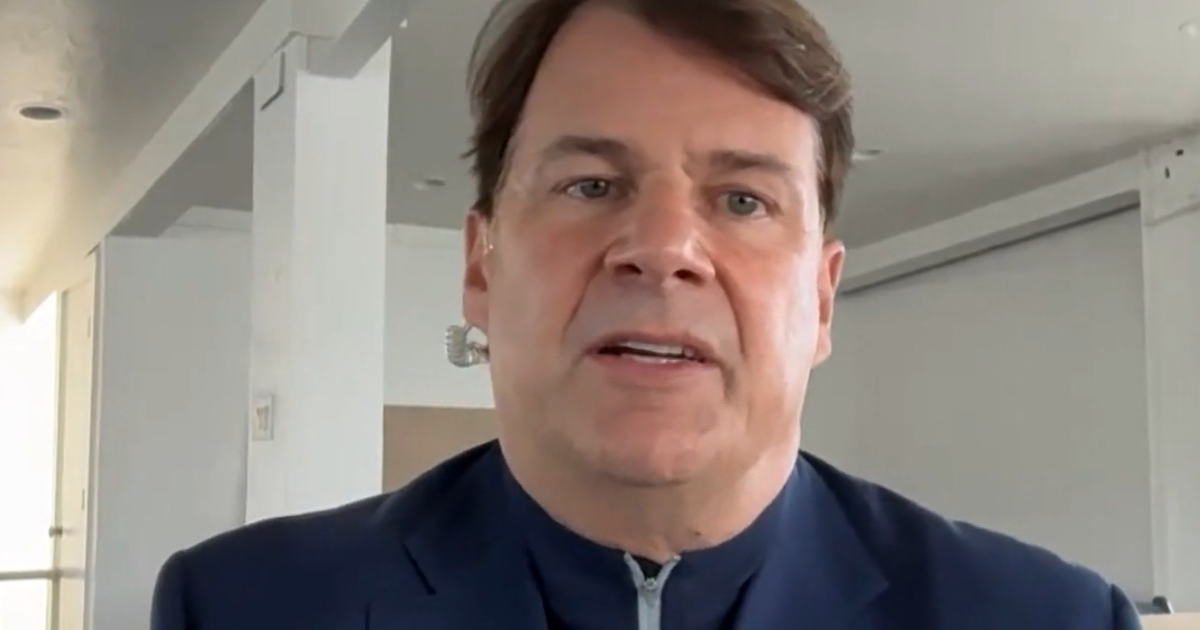
In an exclusive interview with CBS News senior transportation correspondent Kris Van Cleave, Farley elaborated on Ford’s commitment to affordability.
Farley stated that the company’s upcoming models are being designed with a focus on “more affordable versions.” This indicates a deliberate strategy to capture a larger segment of the market by reducing entry-level price points.
The CEO’s remarks suggest a response to current economic conditions and evolving consumer needs, where value and accessibility are becoming increasingly important factors in purchasing decisions.
Ford’s approach aims to balance innovation and technology with the practical reality of affordability for the average buyer.
This strategy is not about compromising on quality but rather about smart engineering and design to deliver compelling products at competitive prices.
The move towards affordability is a key pillar of Ford’s broader business strategy, as outlined by Farley.
He emphasized that this focus will permeate the development process for new vehicles across various segments.
The company is looking at ways to optimize production and supply chain management to achieve cost efficiencies.
These efficiencies are expected to translate into more attractive pricing for customers.
Farley’s comments signal a clear direction for Ford’s product pipeline in the coming years.
Consumers can anticipate a range of new Ford models designed with affordability as a core consideration.
Read more : How Safe Is America From Polio?
This strategy is particularly relevant in the current economic climate, where many households are carefully managing their budgets.
By prioritizing affordability, Ford aims to broaden its customer base and enhance its market competitiveness.
The employee pricing initiative is a short-term tactic to stimulate sales and gauge consumer response to lower price points.
However, Farley’s statements suggest that affordability is a long-term commitment, not just a temporary promotion.
The CEO’s vision for Ford’s future models reflects a deep understanding of the market dynamics.
He believes that making vehicles more accessible is crucial for sustained growth and brand loyalty.
Ford is not alone in this trend, as other automakers are also exploring strategies to offer more affordable options.
However, Farley’s directness in stating that most new models will be “more affordable versions” highlights the seriousness of Ford’s intent.
This strategic pivot could significantly influence Ford’s sales figures and market share in the years ahead.
The company’s ability to execute this strategy will depend on its success in managing costs without sacrificing the performance and features that customers expect.
Farley’s leadership appears to be steering Ford towards a more customer-centric approach, prioritizing the financial well-being of its buyers.
The success of this affordability push will likely be a key indicator of Ford’s performance in the evolving automotive landscape.
Customers looking for value in their next vehicle purchase may find Ford’s future offerings particularly appealing.
The company’s commitment to making its vehicles more accessible is a significant development for the industry.
Farley’s remarks underscore Ford’s ambition to remain a leader in providing practical and desirable transportation solutions.
The focus on “more affordable versions” is expected to impact the design, engineering, and manufacturing processes at Ford.
This comprehensive approach ensures that affordability is integrated from the ground up.
The transition to more affordable models aligns with a broader trend of prioritizing value in the automotive sector.
Ford’s strategic direction under Jim Farley signals a pragmatic response to market demands.
The company is positioning itself to appeal to a wider demographic of car buyers.
This move is anticipated to strengthen Ford’s position in key market segments.
The affordability initiative is a critical component of Ford’s long-term vision for growth and customer satisfaction.
The CEO’s clear articulation of this strategy provides valuable insight into the future of Ford’s vehicle offerings.
This focus on accessible pricing is expected to resonate with consumers seeking dependable and well-equipped vehicles.
Ford’s commitment to affordability signals a proactive stance in adapting to the changing automotive market.