SouthernWorldwide.com – Iran has reportedly agreed to allow nuclear inspectors back into the country, a development that comes as experts express concerns about potential “nuclear blind spots” in the new framework negotiated by President Trump’s administration. These experts warn that the success of the new Tehran framework hinges on inspectors being granted the same unfettered access previously lacking in the Obama-era Iran deal.
A significant concern revolves around the language in the reported U.S.-Iran memorandum of understanding (MOU). This document suggests that the fate of Iran’s enriched uranium stockpile will be resolved through a process that is yet to be fully negotiated.
The MOU specifically identifies onsite “downblending” as the minimum acceptable method for managing this material. Downblending involves diluting enriched uranium to reduce its usability for nuclear weapons, and this process would be conducted under the supervision of the International Atomic Energy Agency (IAEA).
While the MOU does not explicitly state that Iran will maintain a civilian nuclear program, it does indicate that discussions will take place regarding enrichment and other matters related to Iran’s “nuclear needs” in a final agreement.
TRUMP NUCLEAR TALKS FACE DEFINING QUESTION: WHAT HAPPENS TO IRAN’S URANIUM STOCKPILE?
An official close to the negotiations stated that the U.S. has reached understandings with Iran concerning its uranium stockpile. This new agreement is seen as the initial step in translating these understandings into tangible outcomes.
These outcomes are expected to include advancements in managing enriched uranium stockpiles, the dismantlement of nuclear sites, an enrichment ban, and improved inspection access. The official further noted that productive discussions on these issues have already occurred with Iran.
With the MOU now formally in place, negotiators are reportedly focused on achieving swift progress in the coming weeks and days.
US-IRAN TALKS POSTPONED IN SWITZERLAND AMID ISRAEL-HEZBOLLAH TENSIONS; HORMUZ REMAINS A KEY ISSUE
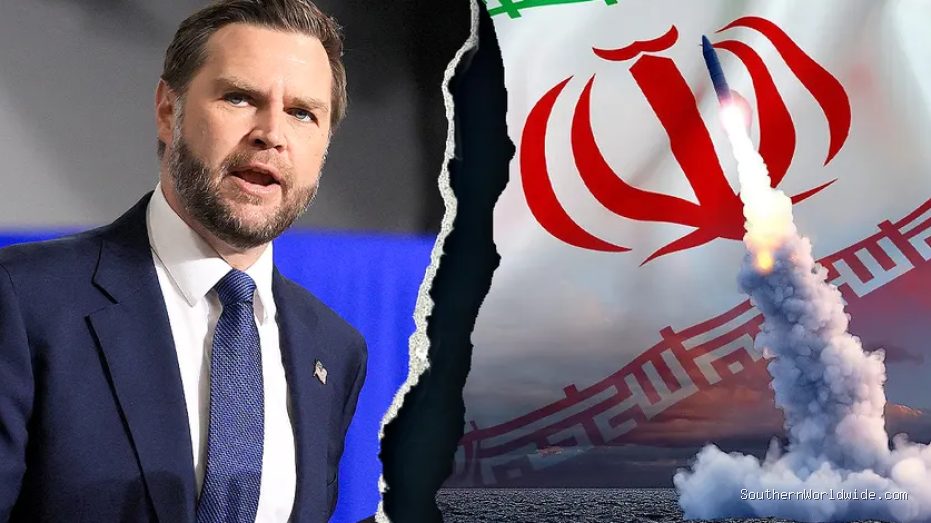
Vice President JD Vance commented on the development, stating that Iran has promised not to enrich uranium and has agreed to allow inspectors to oversee the destruction of its highly enriched stockpile.
“You take it somewhere else,” Vance explained, referring to the processed material. He emphasized that the deal’s benefits are contingent on Iran fulfilling these promises.
Vance also confirmed that Iran has agreed to invite IAEA inspectors back into the country, calling it a significant milestone for the American people. He described this as the first step toward permanently denuclearizing Iran or permanently ending its nuclear weapons program.
“And that’s exactly what we wanted to do. That’s exactly what we asked to happen,” Vance asserted on Monday, following the resumption of negotiations in Switzerland.
The Vice President indicated that technical negotiations would continue over the subsequent weeks and days, even in his absence. He highlighted the establishment of a framework for “proper political oversight” of these ongoing discussions.
Vance also pointed out that considerable progress has already been made on other nuclear-related talks in the initial stages.
HOW DOES TRUMP SOLVE KEY ‘NUCLEAR DUST’ HANG-UP IN NEGOTIATIONS TO END IRAN WAR?
In contrast, expert Mark DeVore expressed a more cautious outlook regarding Iran’s potential weapons capacity. He noted that any estimate heavily depends on the sophistication of the weapon designs Iran might pursue.
DeVore explained that the same uranium stockpile could be used to create fewer basic weapons or be stretched further with a more advanced nuclear program. He elaborated on onsite downblending, suggesting that if properly verified, it would render Iran’s approximately 1,000 pounds of 60% enriched uranium unsuitable for further enrichment.
However, DeVore cautioned that this material would still require additional processing to be converted into weapons-grade uranium. He expressed skepticism that Tehran currently possesses the capability to undertake such a process, especially after key facilities were reportedly destroyed in strikes last year.
TOP SENATE REPUBLICAN RIPS INTO TRUMP’S IRAN DEAL, SAYS $300B MAKES OBAMA DEAL LOOK LIKE ‘A PITTANCE’
DeVore also drew a parallel to the Obama-era JCPOA, arguing that it provided inspectors with insufficient notice and limited freedom to investigate suspicious sites.
He stressed that any new agreement must prevent a scenario where Iran can delay, restrict, or direct inspections before the IAEA can conduct them. DeVore voiced concern that in past negotiations, the minimum verification level sought by defense and intelligence officials could have become the baseline for diplomats.
This, he feared, could result in a final deal that falls short of what experts deem necessary. “Once you say, ‘This is the minimum we need,’ then that becomes the starting point, so anything agreed to is less than that,” DeVore stated. “That’s what I fear.”