SouthernWorldwide.com – Your next Papa Johns order could soon be delivered from the sky, though don’t expect a large pepperoni pizza to be the first item to descend.
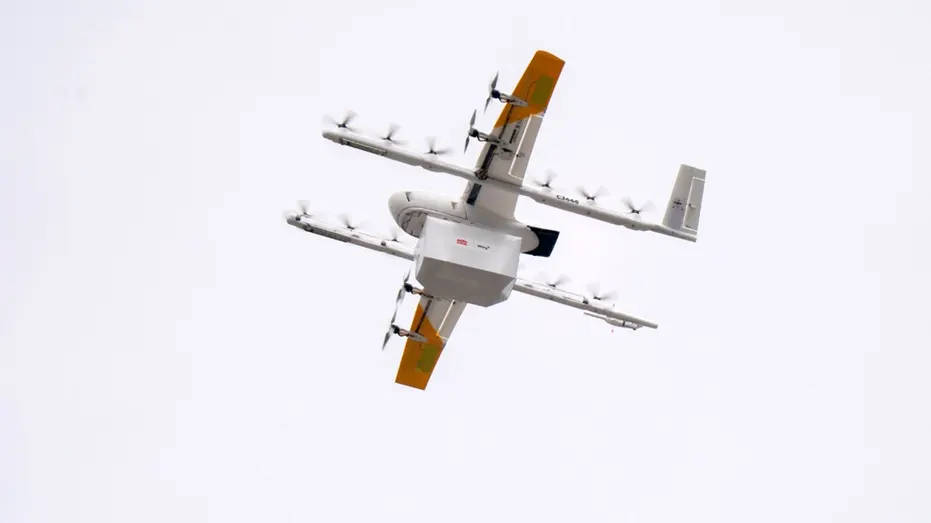
Papa Johns has initiated a drone delivery trial in partnership with Wing, a drone company owned by Alphabet. The initial flights are being conducted near Sun Valley Commons in Indian Trail, North Carolina, a suburb of Charlotte. Customers within the eligible service area can place orders through the Wing app and receive a select menu of Papa Johns Oven Toasted Sandwiches, including options like Philly Cheesesteak, Chicken Bacon Ranch, and Steak & Mushroom.
While other companies, such as Little Caesars, are already experimenting with drone delivery for full-sized pizzas in Texas, Papa Johns is adopting a different strategy by starting with sandwiches. The company is currently utilizing a smaller, drone-compatible menu as it collaborates with Wing to develop aerodynamically designed packaging. This specialized packaging is intended to facilitate smoother aerial delivery of future pizza orders.
The reason for this phased approach is rooted in the practicalities of drone delivery. A sandwich box is inherently more compact and easier to handle than a pizza box, which is wide, flat, and can be unstable. Anyone who has transported a pizza in a car knows the importance of keeping it level to prevent toppings from shifting. This same challenge is amplified when a drone is involved, as drones have payload limitations and require packages that are stable during flight and compatible with their delivery mechanisms.
This explains why Papa Johns is beginning its drone delivery service with sandwiches. Wing has indicated that both companies are working on custom, aerodynamic packaging designs, drawing insights from both Papa Johns’ food products and Wing’s drone technology. Essentially, the sandwich test serves as a foundational step while the companies refine the methods for packaging food items for future drone delivery. For the time being, the skies are open for toasted sandwiches, but pizza delivery via drone will have to wait.
Read more : Romney: Cassidy's Primary Loss Is a 'Loss for the Country
Currently, customers must order through the Wing app. However, the long-term vision is to integrate Wing’s drone network directly into Papa Johns’ own mobile application and its proprietary AI-powered food ordering agent, which is built on Google Cloud. This integration could eventually make drone delivery a seamless option within the Papa Johns ordering experience, rather than a separate, experimental service. Wing views this partnership as a significant step beyond a single restaurant test, marking its first direct collaboration with a national restaurant brand. This initiative also builds upon Papa Johns’ existing relationship with Alphabet through Google Cloud, positioning the partnership as a model for AI-driven restaurant ordering and drone delivery.
“This partnership represents a genuine collaboration, bringing together Wing’s groundbreaking technology with Papa Johns’ dedication to innovation,” stated Heather Rivera, Chief Business Officer at Wing. “Together, we are establishing a new framework for how agentic commerce and leading operational design will shape the future of food delivery.”
Papa Johns emphasizes that this endeavor is about building the future of hot food delivery. This involves more than just attaching food to a drone; it requires adjustments in how workers prepare orders, dedicated space within restaurants for drone pickups, and packaging that can withstand the journey. Furthermore, the technology must be integrated into busy meal times without causing delays in store operations. The latter point is perhaps the most critical test, as a drone delivery system is only effective if it alleviates congestion rather than adding to it.
While pizza might seem like an ideal candidate for rapid delivery due to its popularity and the desire for quick meals, pizza boxes present several challenges for drone delivery. A pizza box has a large surface area, which can compromise stability. The box must also remain level, whereas a sandwich can tolerate minor movements. A hot pizza with melted cheese and toppings, however, is far more sensitive to jostling.
In response to these challenges, other companies are developing larger drones and specialized delivery systems. Flytrex, for instance, recently announced a partnership with Little Caesars in Wylie, Texas, utilizing its Sky2 drone. This drone is capable of carrying up to 8.8 pounds, traveling up to four miles, and delivering up to two large pizzas along with drinks. This demonstrates that pizza delivery by drone is achievable, and it also sheds light on why Papa Johns might be pursuing a more gradual implementation.
Despite ongoing discussions about drone delivery for years, it remains a novel concept for many communities. Wing already collaborates with companies like Walmart and DoorDash and has expanded its services in several metropolitan areas. However, the drone delivery sector faces several obstacles.
Environmental factors like weather can disrupt flights, and regulatory frameworks can impose limitations on drone operations. Restaurants need to train their staff on new procedures, and customers must reside within the designated delivery zones. Furthermore, financial viability is a key consideration. While a drone delivery system might appear impressive in promotional videos, the crucial question is whether each delivery can be cost-effective when the system operates daily.
For residents in the test area, this initiative offers an exciting opportunity to experience a potentially faster food delivery method and gain a glimpse into the future of takeout. However, the rollout of drone delivery is expected to be incremental, at least initially. Customers will need to be within the correct delivery zone, use the designated app, and select menu items compatible with the drone system’s carrying capabilities.
A more significant transformation could occur later. If Wing’s system becomes directly integrated with the Papa Johns app, customers might eventually see drone delivery as a standard option at checkout, making the experience feel more conventional than using a separate drone app for ordering. The primary advantages for consumers are anticipated to be speed and convenience, as drones can bypass traffic, parking challenges, and some of the delays that affect traditional delivery services during peak hours.
Concurrently, practical concerns need to be addressed. Residents may have questions regarding noise levels, safety protocols, privacy issues, and the presence of drones in their neighborhoods. These concerns are likely to intensify as more restaurants adopt similar delivery methods.
Papa Johns’ decision to deliver sandwiches via drone instead of pizza might seem counterintuitive at first, given its identity as a pizza chain. However, when considering the logistics of transporting a hot, potentially unstable pizza under a drone, the sandwich-first approach becomes understandable. This strategy allows the company to test the technology, offer customers a faster delivery option, and continue to use traditional delivery methods for pizzas until the drone system is fully capable of handling hot pies without compromising their quality.
If drone delivery becomes widespread, the question arises: would you be enthusiastic about receiving dinner delivered from the sky, or would the constant buzzing of drones overhead become a nuisance? We invite you to share your thoughts by writing to us at CyberGuy.com.