SouthernWorldwide.com – South Korean retail tycoon Chung Yong-jin has issued a second apology within two weeks following a significant backlash against Starbucks’ local operations. The controversy stems from a recent marketing campaign that was widely interpreted as insensitive to the victims of a violent military suppression of pro-democracy protesters in 1980.
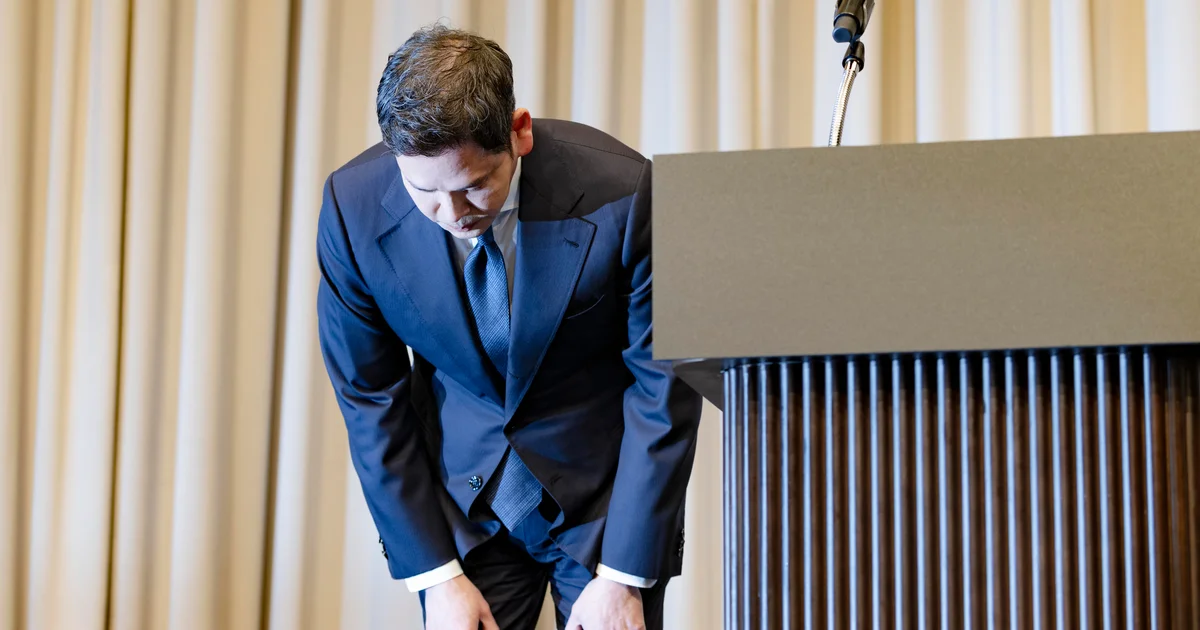
Chung, who chairs Shinsegae Group, the majority stakeholder in Starbucks Korea, publicly bowed three times during a televised statement. He expressed deep remorse and pleaded for forgiveness from the families of the democracy activists who were killed by the nation’s former military dictatorship, as well as from the general public.
The coffee chain ignited public fury when it announced “Tank Day” on May 18 to promote a large size of its tumbler, which it refers to as a “tank.” This date marks the anniversary of a democratic uprising in the southern city of Gwangju, which was brutally suppressed by troops, tanks, and helicopters, resulting in numerous deaths and injuries.
Further exacerbating the outrage, the campaign utilized the slogan “Thwack it on the table!” Many interpreted this phrase as a reference to a controversial 1987 police statement. This statement was issued in an attempt to conceal the torture death of student activist Park Jong-chol, with police initially claiming he had died suddenly after investigators “hit the desk with a thwack.”
The promotion immediately faced widespread condemnation. Within hours, Shinsegae canceled the campaign and terminated the CEO of Starbucks Korea. The police also launched an investigation following complaints filed by the families of those who perished in Gwangju.
“I take … very seriously the fact that many people felt deep pain and anger because of Starbucks Korea’s inappropriate marketing campaign,” Chung stated on Tuesday. He urged the public not to direct their frustration towards Starbucks store staff, emphasizing that the responsibility lies with the management.
There were no immediate reports of significant incidents occurring at Starbucks outlets. Chung had previously issued his first apology on May 19, acknowledging in a statement that the campaign had caused “deep pain to the victims and bereaved families of the May 18 Democratization Movement as well as to the public.”
Jeon Sangjin, a senior executive at Shinsegae Group, indicated that the company had not yet found definitive proof that Starbucks Korea marketing employees intended to mock the pro-democracy movement, an accusation the employees themselves have denied. However, he noted that some employees had refused management’s requests to surrender their smartphones during an internal review that lasted a week.
Jeon added that the company would await the results of the police inquiry. Any employee found to have intentionally ridiculed protesters would face dismissal. The intense anger surrounding the campaign has fueled public calls for boycotts. These calls have been amplified by government officials, including Interior and Safety Minister Yoon Ho-jung, who announced that Starbucks products would no longer be utilized at government events and criticized the chain’s “anti-historical behavior.”
A Shinsegae official informed Reuters news agency that sales had experienced a substantial decline in the aftermath of the marketing controversy. President Lee Jae Myung stated on X last week that the campaign demonstrated “inhumane and disgraceful behavior by cheap profiteers who deny the values of the South Korean community, basic human rights and democracy.”
The crackdown in Gwangju occurred several months after General Chun Doo-hwan seized power through a coup in late 1979. Official government records indicate that approximately 200 people died in Gwangju, though activists contend that the actual death toll was significantly higher. Chun’s administration also imprisoned tens of thousands, citing the need to eradicate social evils.
Read more : Hantavirus Exposure Risk Potentially Underestimated in Certain U.S. Regions, Study Suggests
Public discontent over Chun’s dictatorship culminated in massive nationwide protests in 1987. These demonstrations ultimately compelled him to accept a constitutional revision that introduced direct presidential elections, a development widely regarded as the commencement of South Korea’s transition toward democracy.