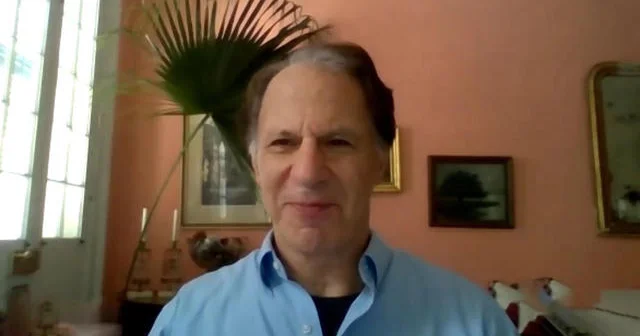
SouthernWorldwide.com – In a discussion on “The Takeout,” author John M. Barry, renowned for his work on “The Great Influenza,” drew parallels between the current COVID-19 pandemic and the devastating 1918 Spanish Flu outbreak.
Barry highlighted how American troops inadvertently played a role in spreading the 1918 influenza virus across Europe during World War I.
He shared these insights during an appearance on “The Takeout with Major Garrett,” offering historical context to the ongoing global health crisis.
“The Great Influenza” is a seminal work that meticulously details the origins, spread, and impact of the 1918 pandemic.
Barry’s expertise lies in understanding how historical pandemics have shaped societies and public health responses.
His comparison between the two events underscores the enduring challenges in managing widespread infectious diseases.
The 1918 Spanish Flu, also known as the H1N1 influenza virus, was exceptionally deadly, infecting an estimated one-third of the world’s population.
It is estimated to have caused the deaths of at least 50 million people worldwide, and possibly as many as 100 million.
This staggering mortality rate significantly exceeded that of World War I itself.
Barry pointed out that the movement of troops during the war was a critical factor in the rapid global dissemination of the virus.
Packed conditions and the long voyages undertaken by soldiers facilitated the spread of the pathogen to new populations.
The author’s research delves into the scientific understanding of the virus at the time and the limitations faced by medical professionals.
He also examines the societal and economic disruptions caused by the pandemic.
Barry’s insights are particularly relevant today as scientists and public health officials grapple with the complexities of COVID-19.
Understanding the lessons from 1918 can provide valuable guidance for current strategies.
He emphasized the importance of preparedness and swift, coordinated action in combating pandemics.
The author’s work often focuses on the intersection of history, science, and public policy.
He has written extensively on various aspects of American history and public health.
Barry’s contributions have been recognized for their depth and clarity.
His ability to connect past events with present challenges makes his insights highly sought after.
The discussion on “The Takeout” provided a platform for Barry to share his knowledge with a wider audience.
Major Garrett, the host, is known for his in-depth interviews with influential figures.
The program aims to provide context and analysis on current events.
Barry’s comparison between the Spanish Flu and COVID-19 highlighted several key similarities and differences.
Both pandemics demonstrated the potential for rapid global spread due to increased travel and interconnectedness.
However, advancements in medical science and public health infrastructure offer different tools for managing COVID-19.
Barry noted that the speed at which vaccines were developed for COVID-19 is a testament to modern scientific progress.
In 1918, the concept of a vaccine for influenza was still in its nascent stages.
Read more : Democrats Rally on Immigration and Anti-ICE Sentiment Ahead of Midterms
The author also touched upon the role of public trust and communication during health crises.
Misinformation and public resistance to health measures were significant challenges in 1918, as they can be today.
Barry stressed that clear, consistent communication from authorities is crucial for public cooperation.
His historical perspective suggests that societal responses to pandemics are often complex and multifaceted.
The economic impact of both pandemics has also been a significant area of study for Barry.
He has analyzed how widespread illness and public health measures can disrupt economic activity.
The author’s work serves as a reminder that pandemics are not just medical events but also profound social and economic occurrences.
His insights from “The Great Influenza” continue to resonate, offering a historical lens through which to understand contemporary challenges.
The conversation on “The Takeout” provided a valuable opportunity to learn from historical precedents.
Barry’s contributions to the understanding of past pandemics are invaluable.
His ongoing work helps to inform public discourse on health and safety.
The comparison between the 1918 Spanish Flu and COVID-19 offers critical lessons for the present.
Understanding the historical context is vital for navigating the current pandemic.
John M. Barry’s expertise provides a unique perspective on these critical issues.
His work remains a cornerstone for anyone seeking to understand the history of pandemics.
The discussion emphasized the cyclical nature of infectious disease threats and the importance of learning from the past.
Barry’s detailed research into the 1918 pandemic offers a rich source of information.
His participation in “The Takeout” brought these historical lessons to the forefront.
The author’s ability to draw clear parallels between historical and contemporary events is a key strength.
The conversation underscored the long-term impact of pandemics on society.
Barry’s insights are essential for building resilience against future health crises.
His work on “The Great Influenza” is a critical resource for public health professionals and historians alike.
The discussion concluded by reiterating the importance of vigilance and informed decision-making in public health matters.