SouthernWorldwide.com – The profound therapeutic benefits of horses are being increasingly recognized, offering solace and healing to individuals facing various challenges.
Horses possess a unique ability to form deep connections with people, largely due to their innate capacity to sense and respond to human emotions.
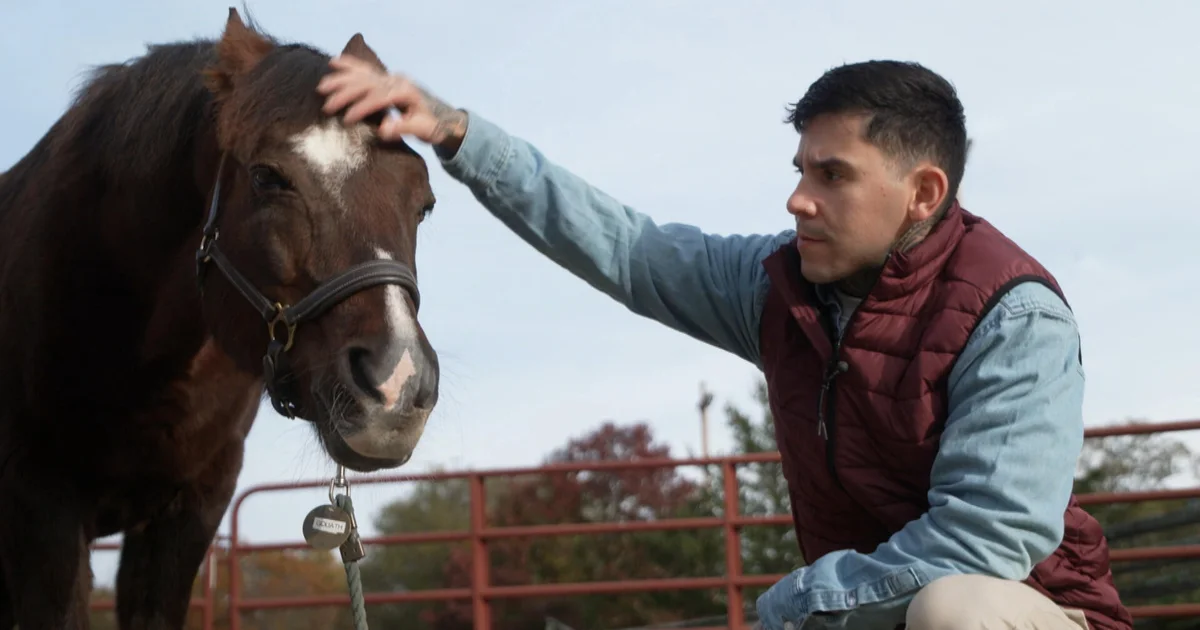
This remarkable connection is actively harnessed by Endeavor Therapeutic Horsemanship, an organization based in Bedford Corners, New York.
Their specialized programs are designed to assist individuals with disabilities, veterans coping with PTSD, and incarcerated individuals, all through meaningful interactions with their horses.
“60 Minutes” correspondent Lesley Stahl has reported on the impactful work of this organization, highlighting the transformative power of equine-assisted therapy.
The bond between humans and horses in therapeutic settings is more than just companionship; it’s a dynamic exchange that can foster emotional regulation and resilience.
Horses, as prey animals, are highly attuned to their environment and the emotional states of those around them, making them exceptionally sensitive to human feelings.
This sensitivity allows them to mirror and respond to human emotions, creating a non-judgmental space for individuals to process their experiences.
For veterans suffering from PTSD, the calming presence of a horse can help ground them in the present moment, reducing anxiety and hypervigilance.
The rhythmic movement of riding and the consistent, gentle nature of the horses can also have a soothing effect on the nervous system.
This interaction can help regulate the body’s stress response, promoting relaxation and a sense of safety.
Similarly, individuals with physical or developmental disabilities often find that therapeutic horsemanship improves their balance, coordination, and motor skills.
The unique gait of the horse provides a natural, rhythmic motion that can mimic human walking, engaging core muscles and improving posture.
This physical engagement can lead to significant gains in mobility and independence for participants.
The act of caring for a horse—grooming, feeding, and leading—also instills a sense of responsibility and accomplishment.
For those who have experienced trauma or social isolation, these tasks can be empowering, rebuilding confidence and self-esteem.
The process requires patience, trust, and clear communication, skills that translate positively into other areas of life.
Endeavor Therapeutic Horsemanship’s work with incarcerated individuals offers a unique avenue for rehabilitation and personal growth.
In a controlled environment, these individuals learn to build trust and rapport with animals that are often perceived as powerful and independent.
This can be a profound experience for those who may have struggled with trust or authority figures in their lives.
The horses provide a consistent and reliable presence, offering unconditional acceptance that can be incredibly healing.
The program aims to foster empathy, impulse control, and a greater sense of self-awareness among participants.
Learning to understand and respond to a horse’s needs can help individuals develop a more nuanced understanding of social cues and emotional intelligence.
The organization emphasizes that the therapy is not about controlling the horse but about building a partnership based on mutual respect and understanding.
This partnership approach is central to the success of equine-assisted therapy, as it empowers individuals to take an active role in their healing journey.
The non-verbal communication between horse and human is a key element, allowing individuals to connect on a deeper, more intuitive level.
Horses often respond to subtle shifts in body language and tone of voice, encouraging participants to become more mindful of their own non-verbal cues.
This heightened awareness can be particularly beneficial for individuals who struggle with verbalizing their emotions or experiences.
The physical contact involved in grooming and petting the horses can also be therapeutic, releasing endorphins and promoting feelings of well-being.
This tactile interaction can be grounding and comforting, offering a sense of calm and connection.
The impact of these programs extends beyond the individual sessions, creating lasting positive effects on mental and emotional health.
By fostering a sense of purpose, connection, and self-worth, therapeutic horsemanship offers a powerful path toward healing and recovery.
The dedication of organizations like Endeavor Therapeutic Horsemanship underscores the vital role that animals can play in supporting human well-being.
Their work exemplifies how the unique qualities of horses can be leveraged to create profound and lasting therapeutic change.
The integration of horses into therapeutic practices continues to grow, promising further insights into the human-animal bond and its capacity for healing.
Lesley Stahl’s report for “60 Minutes” sheds light on this vital field, encouraging a broader appreciation for the therapeutic power of horses.
Read more : US Strikes Iranian Boats Amid Hormuz Strait Operation
The ability of horses to connect with humans on an emotional level makes them invaluable partners in promoting mental, emotional, and physical well-being.