SouthernWorldwide.com – Uncertainty surrounding the H-1B visa fee has left many U.S. businesses uncertain about their future hiring strategies and operational plans.
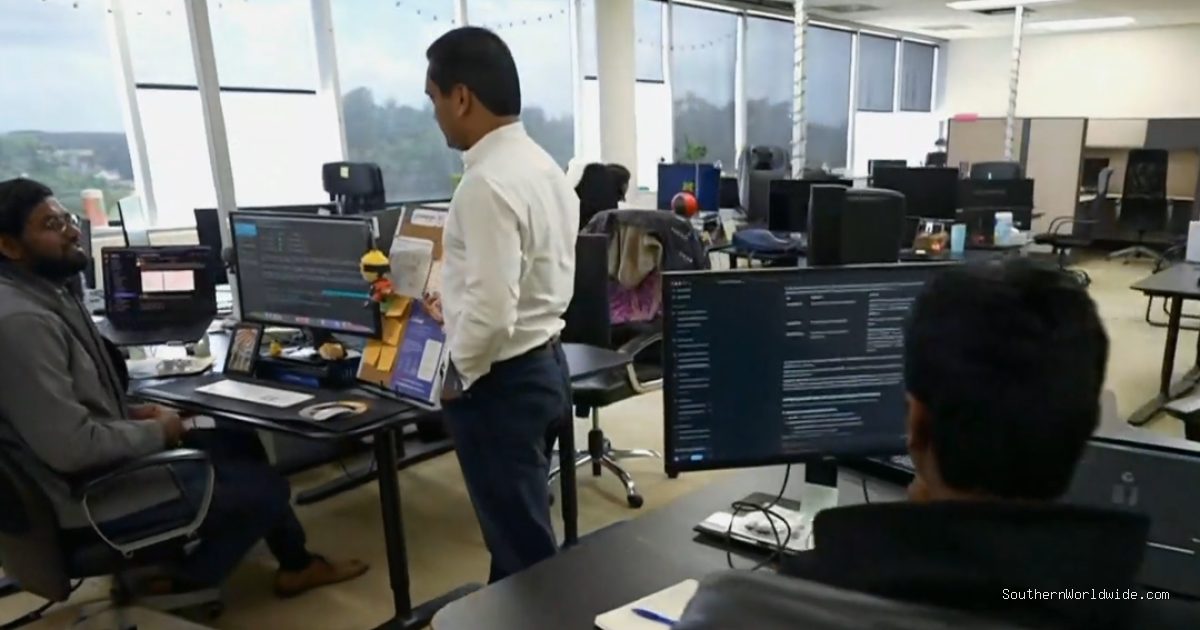
Kishore Khandavalli, who started his career in the U.S. on an H-1B visa, now leads a software consulting firm in Dallas. Nearly half of his 380 employees are H-1B visa holders.
Khandavalli explained that there’s a significant skills gap in the U.S. market, particularly for specialized roles. He noted that the available American talent doesn’t always match the specific, advanced skills that companies like his require.
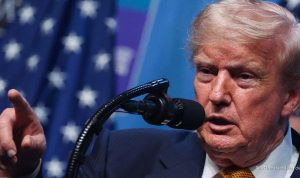
This situation became a concern for him when, in September 2025, the Trump administration announced plans to drastically increase the H-1B visa fee. The proposed fee hike would have raised the cost from approximately $215 to $100,000.
However, on June 8, a federal judge intervened. The judge invalidated the White House’s $100,000 fee policy following a lawsuit filed by 20 states.
In a detailed 42-page decision, U.S. District Judge Leo Sorokin stated that the $100,000 payment, in its substance and application, functions as a tax, regardless of its designation. He further clarified that the Trump administration lacked the statutory authority to implement such a substantial tax on H-1B petitions.
Khandavalli revealed that his company had halted the hiring of new foreign workers after the Trump administration initially implemented the fee. He estimated that the new rule, had it remained in effect, would have cost his business approximately $1 million annually.
A significant portion of Khandavalli’s workforce originates from India. Data from the Pew Research Center in 2023 indicated that India is the source country for 73% of H-1B visa holders.
Months after the president’s order, CBS News visited the Birla Institute of Technology and Science in Pilani, India. The visit was prompted by information that several students there intended to pursue opportunities in the U.S., initially on student visas, with the aim of later obtaining H-1B visas.
One doctoral student, Ravi Bushan, shared his lifelong aspiration to work in the United States, viewing it as a pivotal career transformation. However, he acknowledged a shift in his plans.
Bushan expressed that due to the changes in visa regulations and the evolving perception of immigration in the U.S., he is now exploring diversified options and considering other countries.
Back in Texas, Khandavalli remains apprehensive. The Trump administration is reportedly appealing the recent judicial decision that removed the $100,000 fee. He worries that if further obstacles are introduced, his company might be compelled to relocate work overseas.
This potential outcome could disrupt a long-standing channel that has benefited both skilled foreign workers and American businesses for decades. Khandavalli voiced his concern that if the H-1B program becomes unaffordable, valuable talent might depart the country.
He also expressed significant worry about the nation’s capacity for innovation in the coming years if access to this talent pool is restricted.