SouthernWorldwide.com – The U.S. military has intensified its operations against drug trafficking in the Pacific, executing a series of strikes that have resulted in the deaths of alleged “narco-terrorists.” This recent wave of action underscores a significant escalation in the fight against transnational criminal organizations operating in the region.
Over the past week, U.S. Southern Command (SOUTHCOM) announced four separate military strikes targeting vessels involved in illicit activities. These operations highlight the persistent threat posed by narco-trafficking routes and the U.S. commitment to disrupting these networks.
In the latest incident, a lethal kinetic strike was conducted on Saturday against a vessel identified as being operated by Designated Terrorist Organizations. Intelligence confirmed the vessel was traversing known narco-trafficking routes in the Eastern Pacific and was actively engaged in such operations.
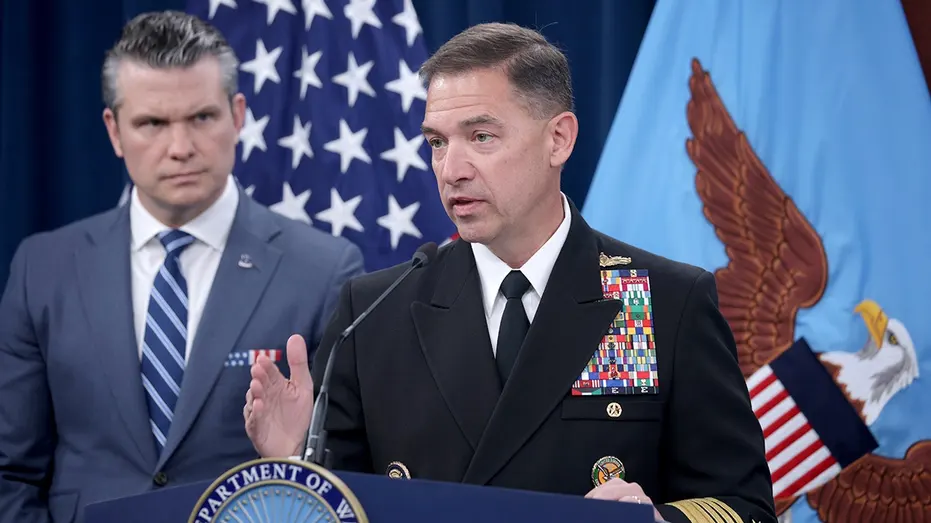
The operation, authorized by SOUTHCOM commander Gen. Francis L. Donovan, resulted in the deaths of three male narco-terrorists. Importantly, no U.S. military personnel were harmed during this engagement, emphasizing the precision and effectiveness of the conducted strike.
This Saturday strike was part of a broader campaign. A strike on Friday led to the deaths of three individuals, while another on Wednesday resulted in the demise of two others. These cumulative actions demonstrate a sustained effort to dismantle drug trafficking operations.
Earlier in the week, a strike on Tuesday resulted in one fatality, though it also led to survivors. In this instance, one male narco-terrorist was killed, and two individuals survived the engagement. Following the operation, SOUTHCOM promptly alerted the U.S. Coast Guard to initiate a Search and Rescue mission for the survivors.
Read more : Housing First is a Disaster: A Firsthand Account of Sacramento's Homeless Chaos
The U.S. military’s involvement in these operations is framed within the context of protecting national interests and combating threats that destabilize the region. The designation of these individuals as “narco-terrorists” suggests a linkage between drug trafficking activities and broader terrorist networks, a concern that has been a focus for previous administrations as well.
The Trump administration, for instance, took significant steps to address large drug gangs in Brazil by considering them for ‘global terror’ designations. This historical context suggests a long-standing strategic approach to tackling these interconnected threats.
In parallel to these interdictions in the Pacific, the U.S. Central Command (CENTCOM) also conducted “self-defense strikes” against Iran over the weekend. These actions were a direct response to aggressive Iranian actions, including the shootdown of a U.S. MQ-1 drone operating in international waters.
CENTCOM’s measured and deliberate strikes targeted Iranian radar and command and control sites for drones in Goruk, Iran, and Qeshm Island. The swift response by U.S. fighter aircraft aimed to neutralize immediate threats posed by Iranian air defenses, a ground control station, and two one-way attack drones that presented a clear danger to ships transiting regional waters.
No American service members were injured during these strikes. CENTCOM reiterated its commitment to protecting U.S. assets and interests in the face of unwarranted Iranian aggression, even amidst an ongoing ceasefire.
Further underscoring regional tensions, CENTCOM reported intercepting two Iranian ballistic missiles targeting American forces in Kuwait. These missiles were successfully neutralized, and no American personnel were harmed. This incident highlights CENTCOM’s continuous vigilance in safeguarding its forces from Iranian aggression.